



安装 Steam
登录
|
语言
繁體中文(繁体中文)
日本語(日语)
한국어(韩语)
ไทย(泰语)
български(保加利亚语)
Čeština(捷克语)
Dansk(丹麦语)
Deutsch(德语)
English(英语)
Español-España(西班牙语 - 西班牙)
Español - Latinoamérica(西班牙语 - 拉丁美洲)
Ελληνικά(希腊语)
Français(法语)
Italiano(意大利语)
Bahasa Indonesia(印度尼西亚语)
Magyar(匈牙利语)
Nederlands(荷兰语)
Norsk(挪威语)
Polski(波兰语)
Português(葡萄牙语 - 葡萄牙)
Português-Brasil(葡萄牙语 - 巴西)
Română(罗马尼亚语)
Русский(俄语)
Suomi(芬兰语)
Svenska(瑞典语)
Türkçe(土耳其语)
Tiếng Việt(越南语)
Українська(乌克兰语)
报告翻译问题




 奖励
奖励



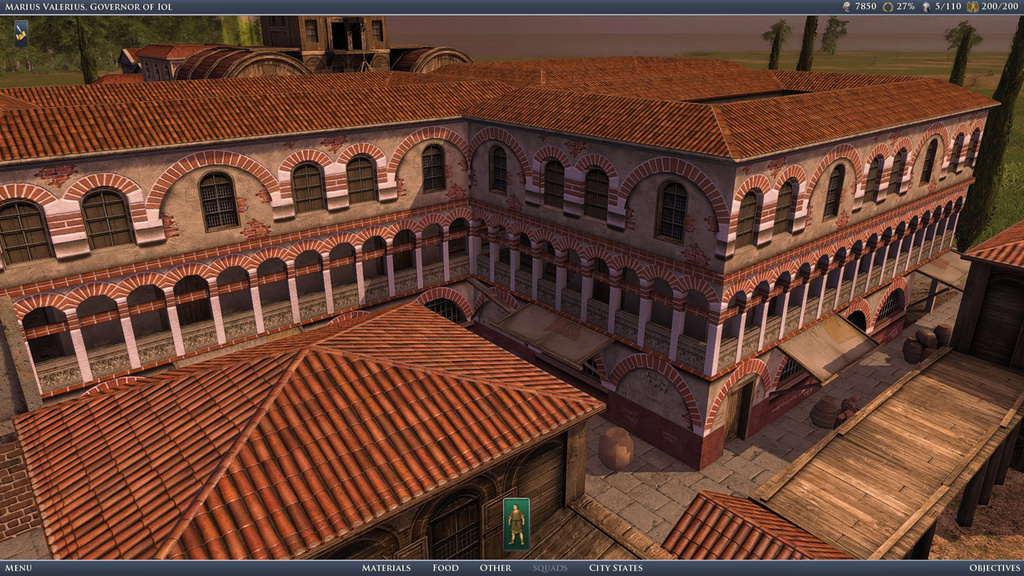
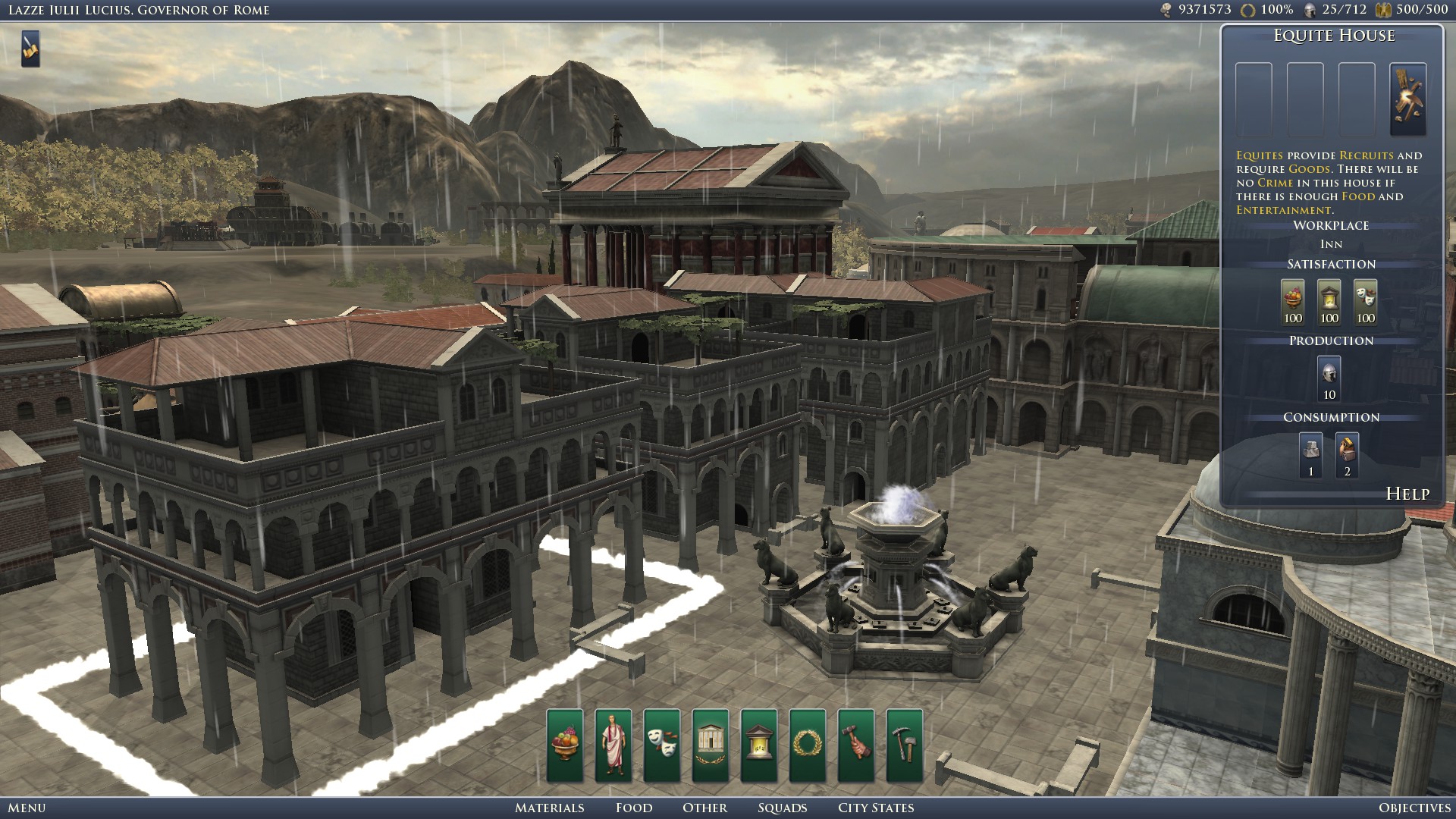
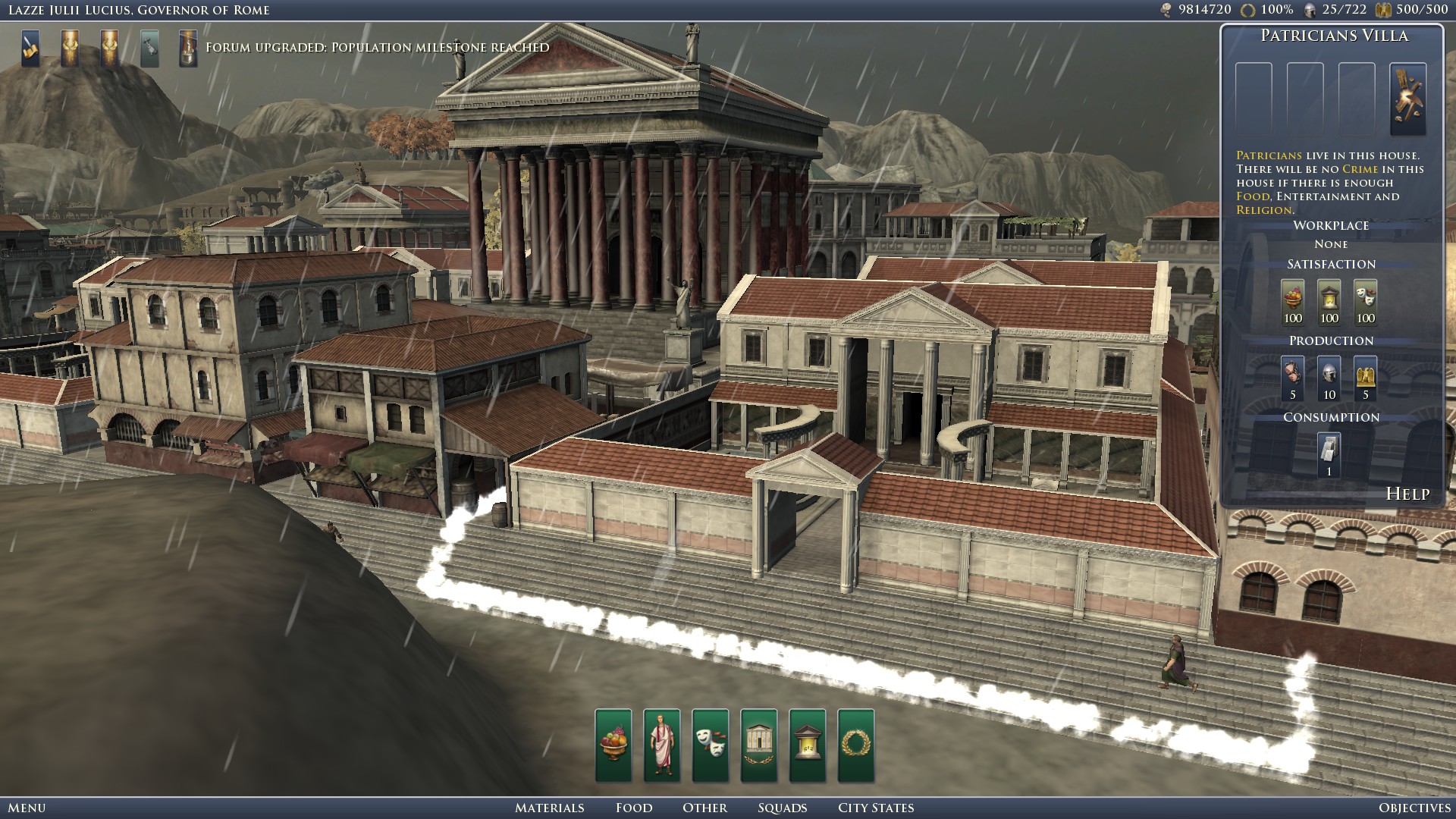
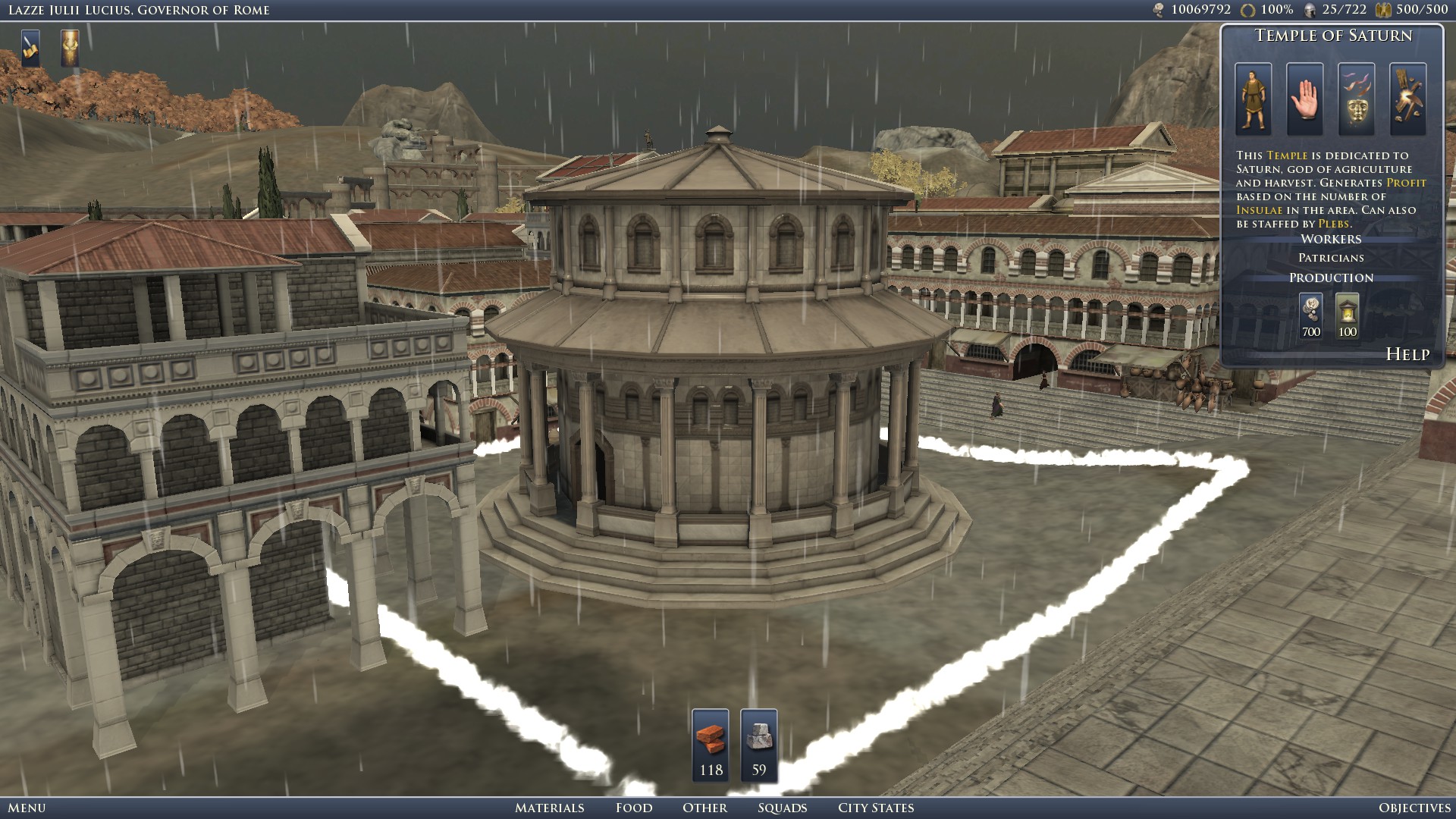
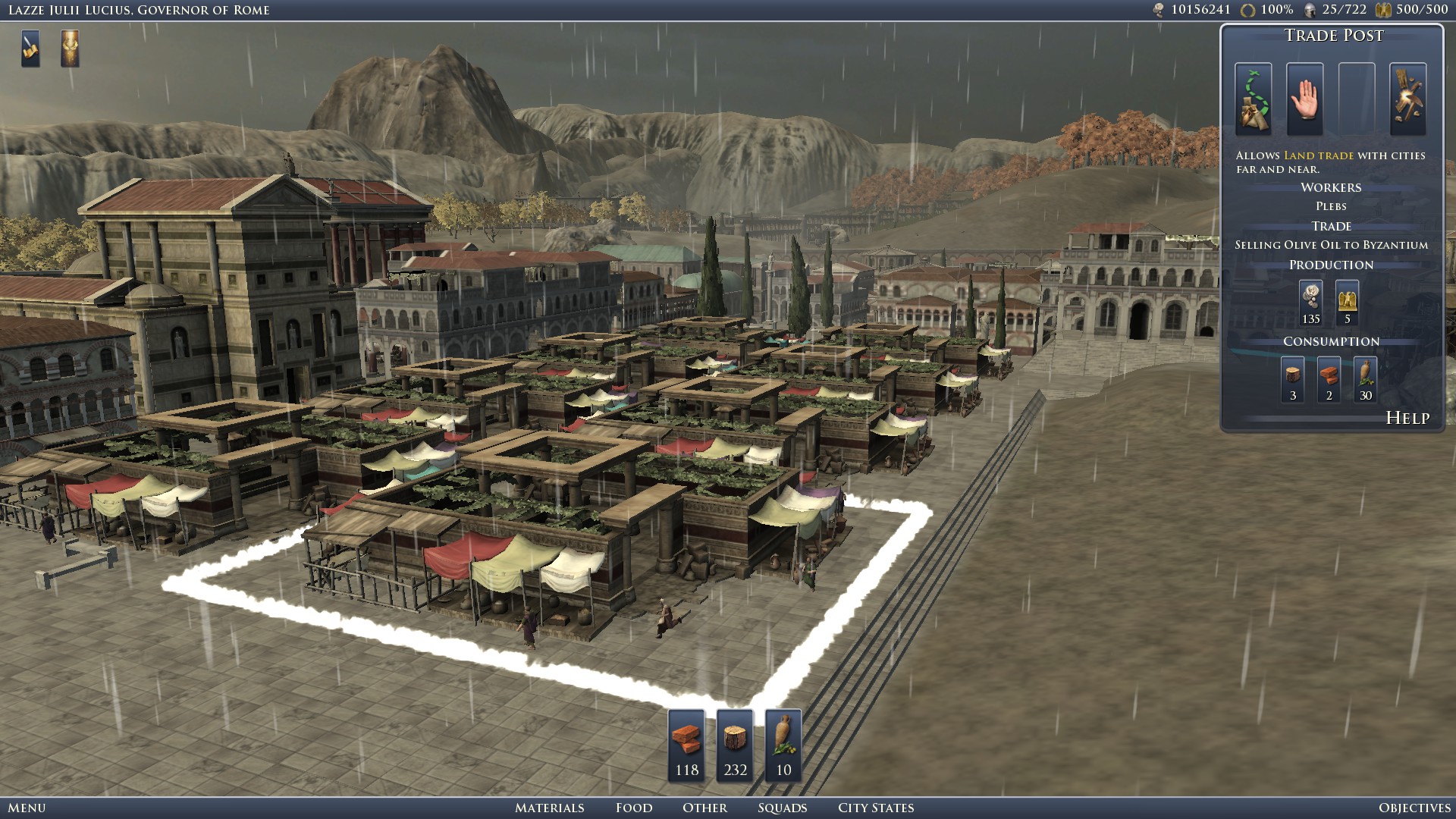
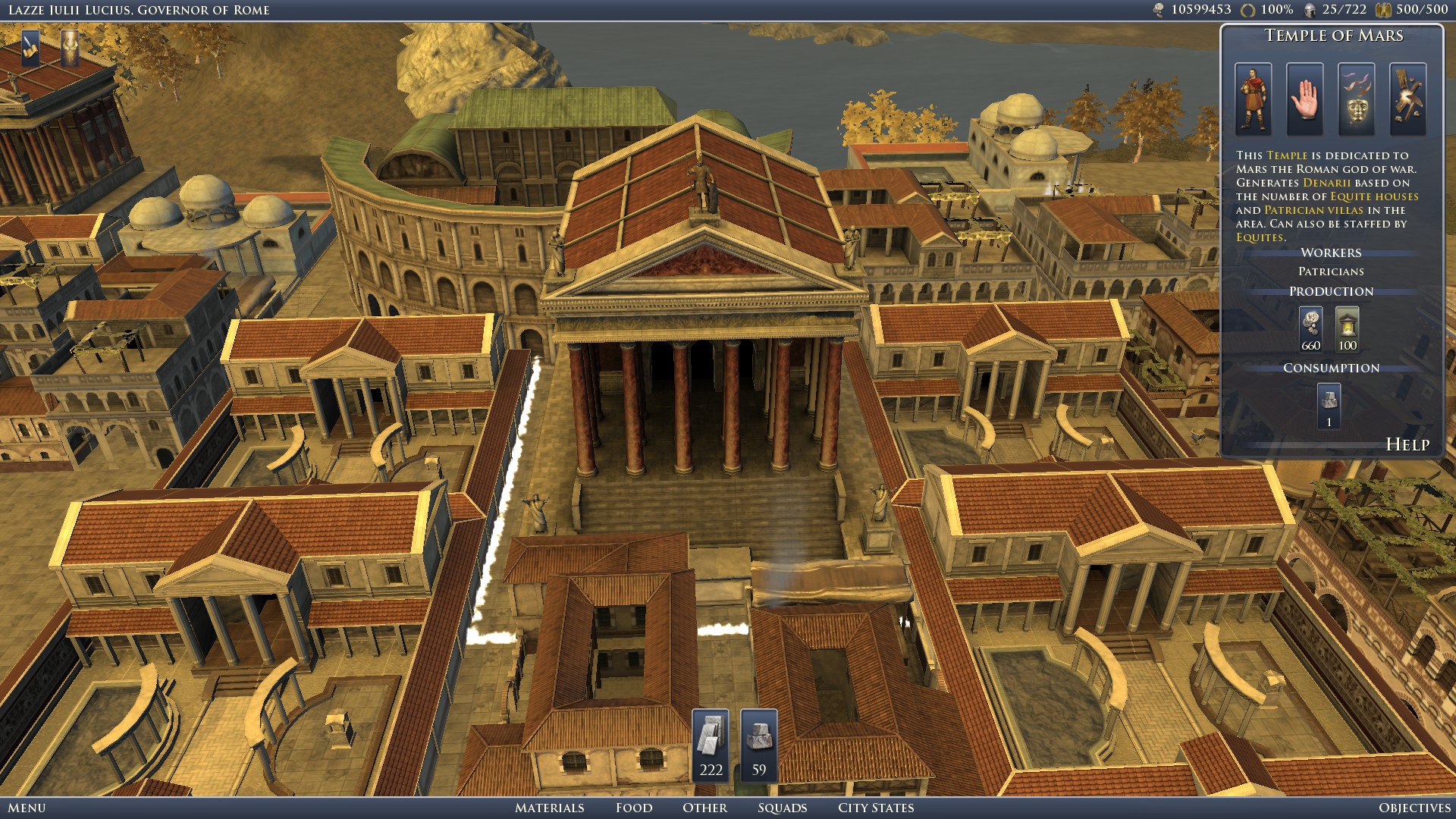
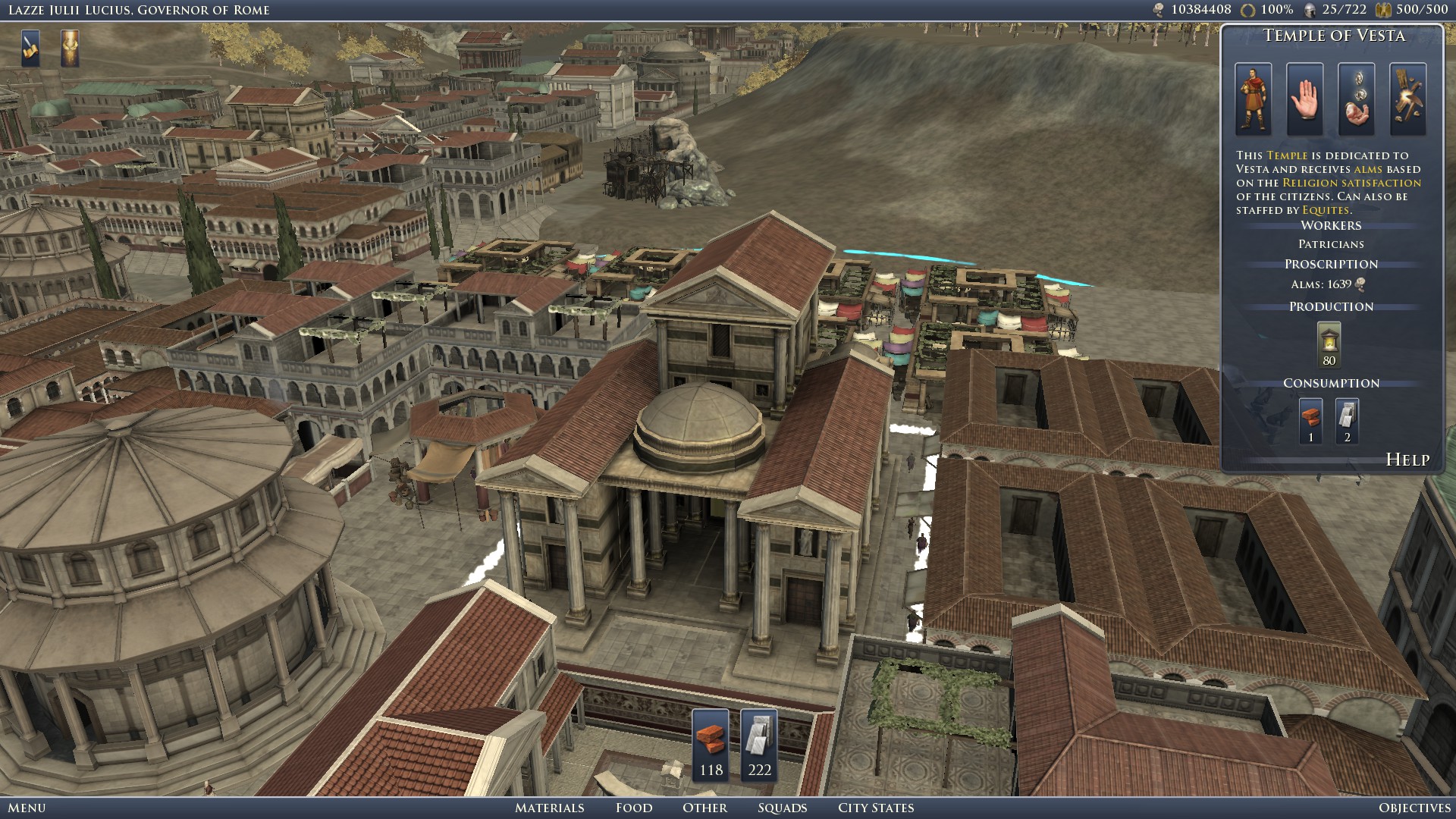


I didn't find the addition of roads a major game changer for Grand Ages: Rome and as such didn't pay much attention to them beyond the increased resources when you place a building next to them.
Unlike in Caesar 3, 4, Pharaoh, Emperor, Zeus + Poseidon, you won't be needing transportation of any goods around your city. All you really have to care about is having enough resources in your metaphysical storage to make buildings function and care about the coverage (radius) that a building can handle.
From the Augustus Steam page, it reads "connect your city to the major roman roads to gain additional resources, units travel faster on roads, certain buildings generate additional resources when placed next to a road", so the last part I figured out myself but I question the utility / benefit of those additional resources.
I haven't noticed a need for "units travel faster on roads" in all my time of playing Grand Ages: Rome, and I have never been aware of the potential benefit for connecting to the major Roman roads, but we can both check it out and see if it's worth anything (I'm doubt I'll be blown away).