



安装 Steam
登录
|
语言
繁體中文(繁体中文)
日本語(日语)
한국어(韩语)
ไทย(泰语)
български(保加利亚语)
Čeština(捷克语)
Dansk(丹麦语)
Deutsch(德语)
English(英语)
Español-España(西班牙语 - 西班牙)
Español - Latinoamérica(西班牙语 - 拉丁美洲)
Ελληνικά(希腊语)
Français(法语)
Italiano(意大利语)
Bahasa Indonesia(印度尼西亚语)
Magyar(匈牙利语)
Nederlands(荷兰语)
Norsk(挪威语)
Polski(波兰语)
Português(葡萄牙语 - 葡萄牙)
Português-Brasil(葡萄牙语 - 巴西)
Română(罗马尼亚语)
Русский(俄语)
Suomi(芬兰语)
Svenska(瑞典语)
Türkçe(土耳其语)
Tiếng Việt(越南语)
Українська(乌克兰语)
报告翻译问题





 奖励
奖励



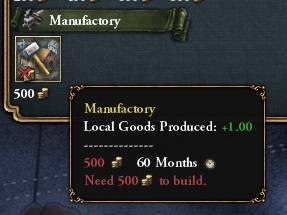
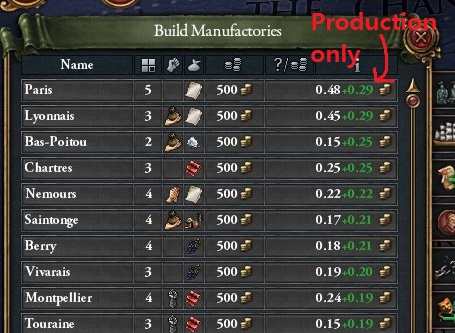
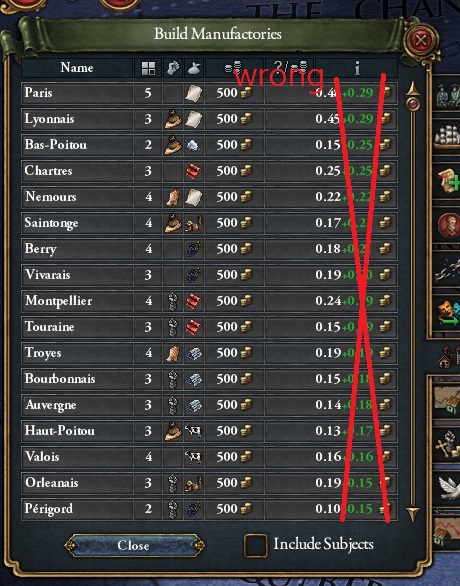
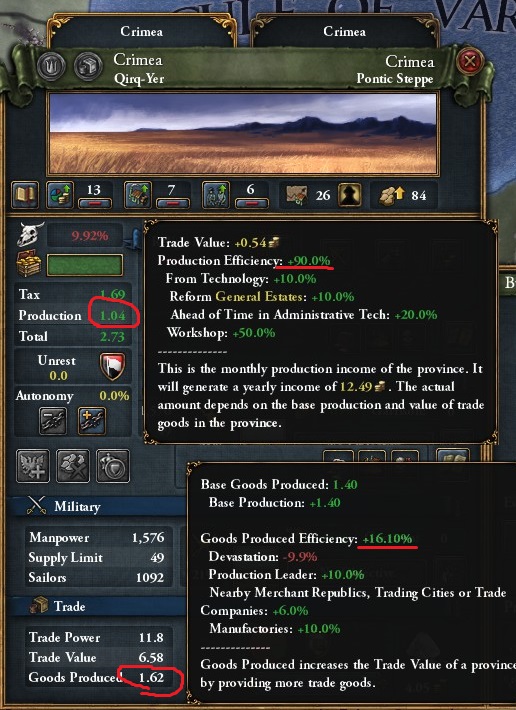
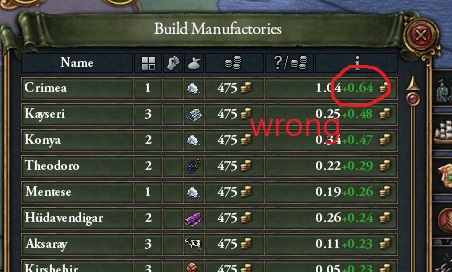
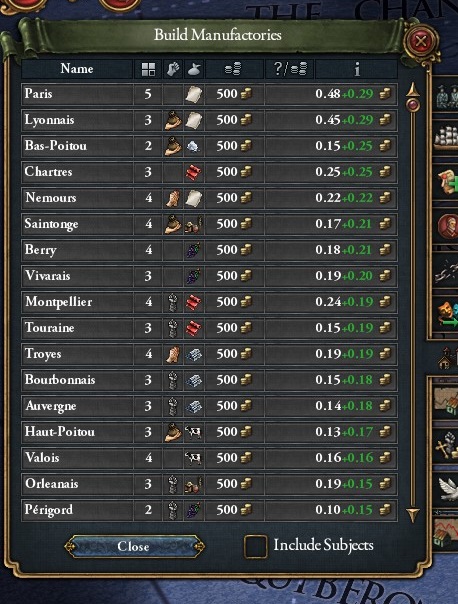
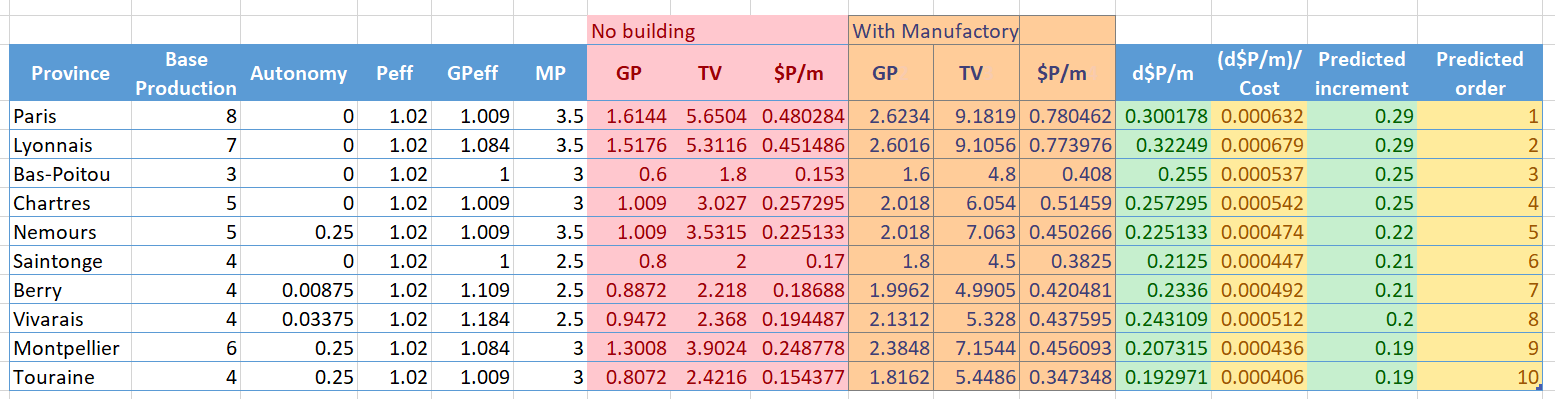
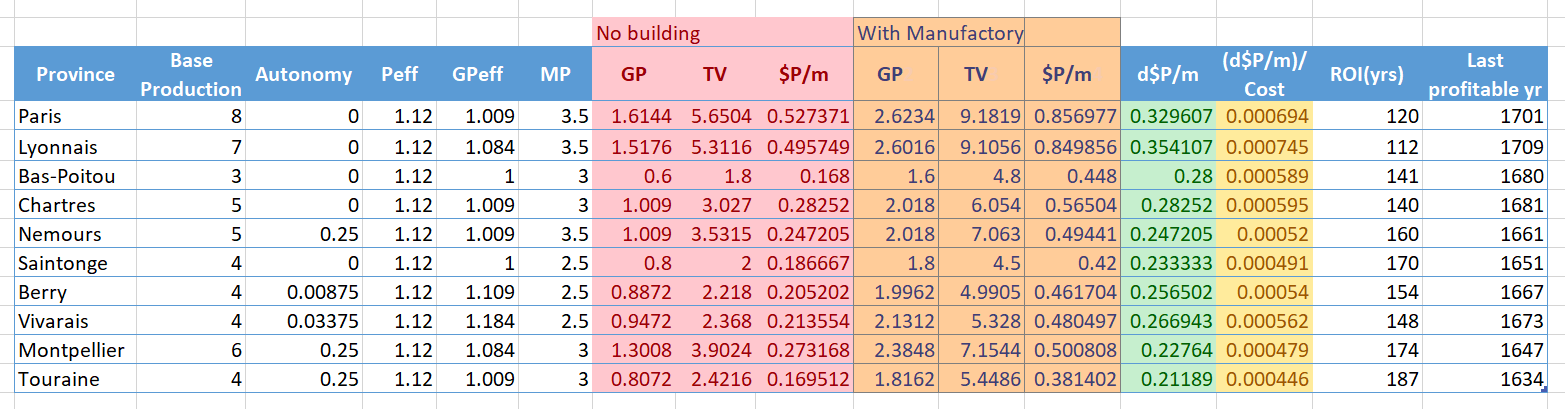
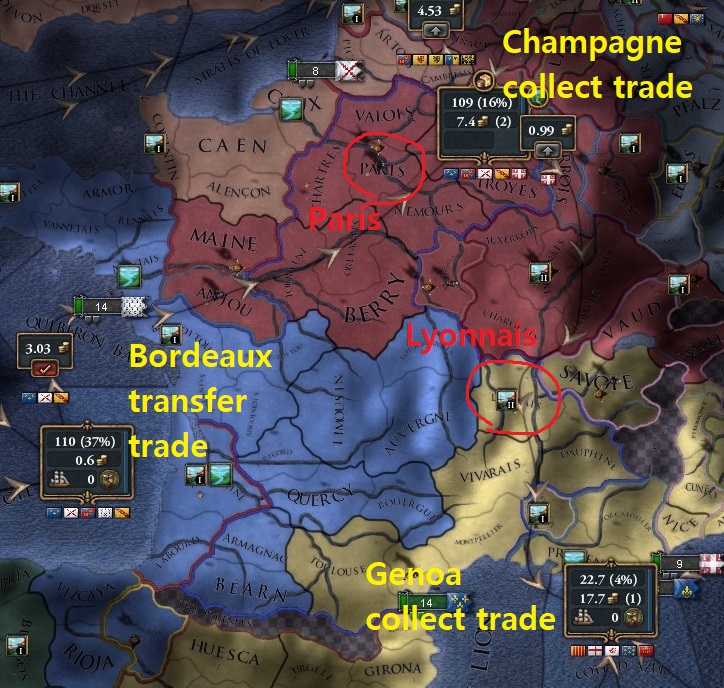


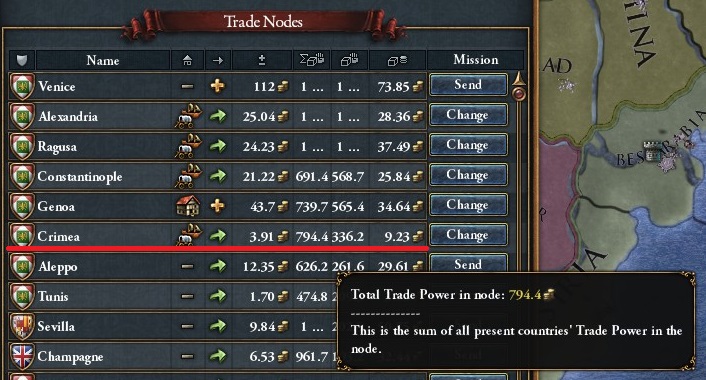

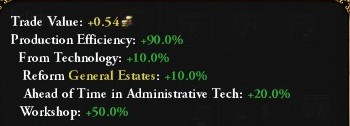
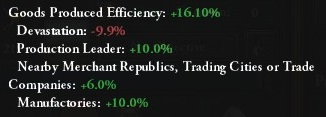

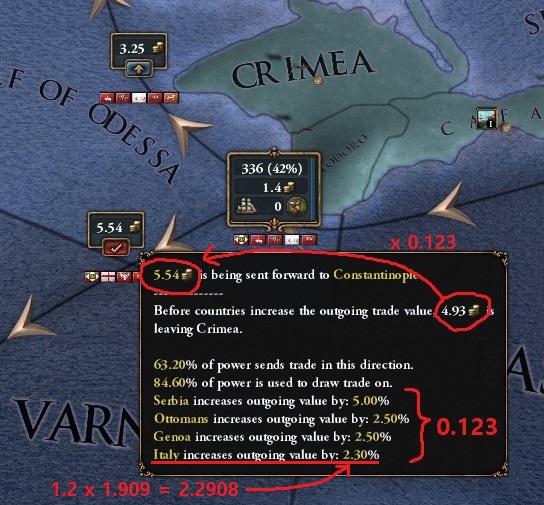
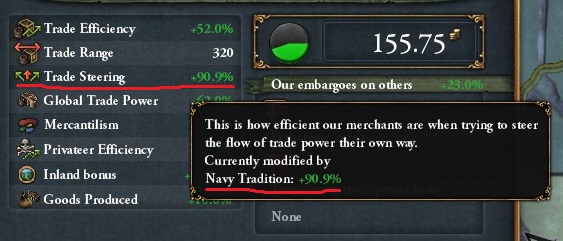



In the context of EU4 as a blobbing simulator and properly controlling good trade nodes, I'd argue that manufactories are a large part of the eu4 economy because they are mostly unaffected by autonomy and should be a top priority for construction.
I'm not sure about comparing the benefit of a Manufactory to the $1.5833 monthly interest expenditure. As shown in the examples above, it is very difficult, if not impossible, for a single Manufactory to boost your monthly income by $1.5833 and beat the interest expenditure. I think the assumption that the loan is repaid in a reasonable time has to be there. If the loan drags on, it will take longer and longer for the Manufactory to break even, possibly not before the game ends in 1821.
I think it is better to compare the monthly interest to the increase in monthly income that the manufactory brings. In your example you pay 475*0.04/12=1.5833 ducats of monthly interest. If a manufactory doesn't increase your monthly income by at least that amount, it is not worth it to take a loan for it. And you also have to factor in the 95 ducats of interest that you pay in the 5 years in which the manufactory is still being built. But I'm not sure how to properly take that into account