


安装 Steam
登录
|
语言
繁體中文(繁体中文)
日本語(日语)
한국어(韩语)
ไทย(泰语)
български(保加利亚语)
Čeština(捷克语)
Dansk(丹麦语)
Deutsch(德语)
English(英语)
Español-España(西班牙语 - 西班牙)
Español - Latinoamérica(西班牙语 - 拉丁美洲)
Ελληνικά(希腊语)
Français(法语)
Italiano(意大利语)
Bahasa Indonesia(印度尼西亚语)
Magyar(匈牙利语)
Nederlands(荷兰语)
Norsk(挪威语)
Polski(波兰语)
Português(葡萄牙语 - 葡萄牙)
Português-Brasil(葡萄牙语 - 巴西)
Română(罗马尼亚语)
Русский(俄语)
Suomi(芬兰语)
Svenska(瑞典语)
Türkçe(土耳其语)
Tiếng Việt(越南语)
Українська(乌克兰语)
报告翻译问题

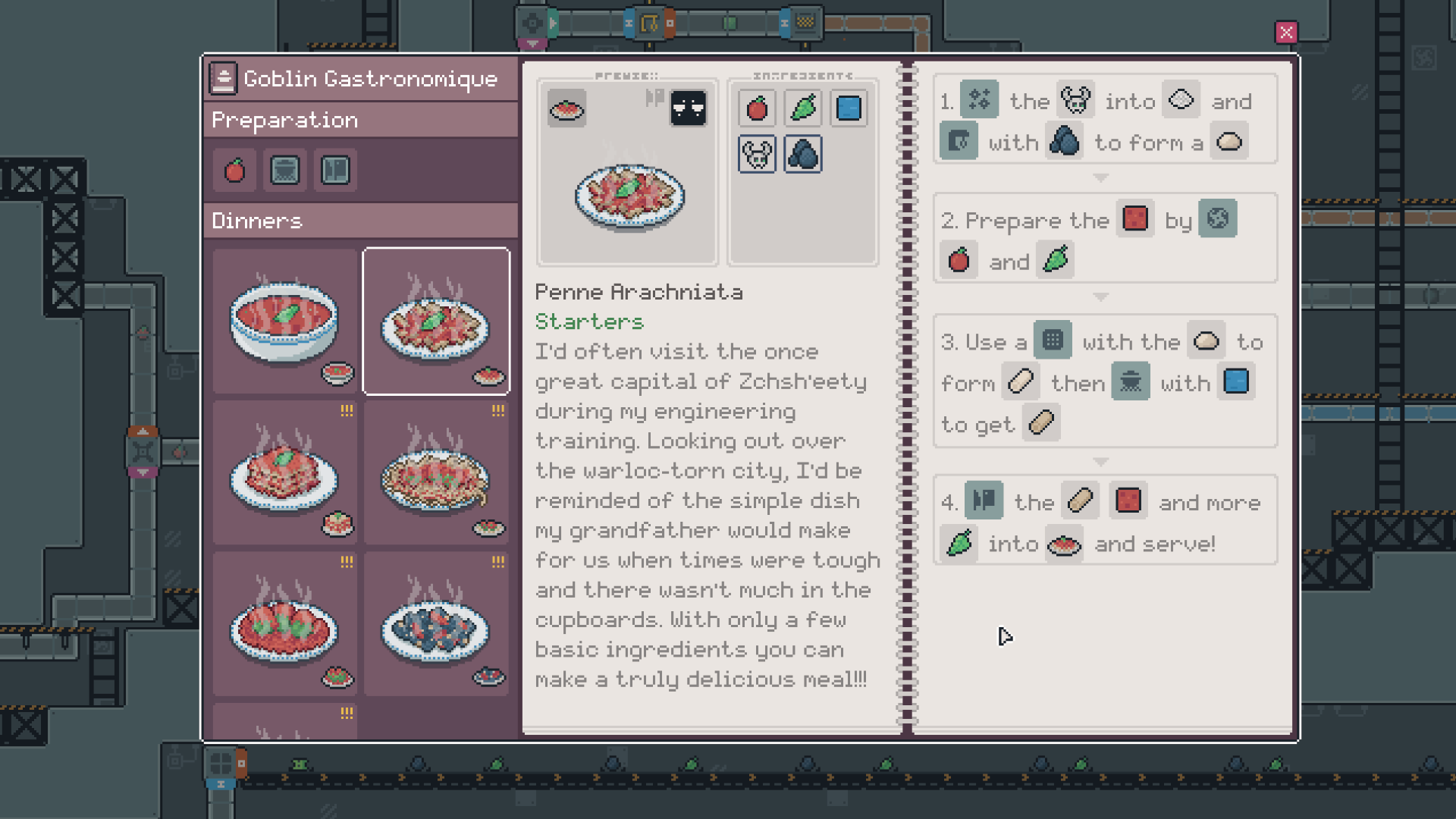 At the time of writing this, I'm about to enter it into Steam's NextFest - still a bit unsure what people will make of it, but it's been positive feedback from all the playtesters and the few that have tried it out early so there's no more I can do now it's in the hands of the People. I also just finished up getting Simplified Chinese into the demo as the new publisher works with a Chinese partner on a lot of PR stuff and we all felt it'd be good to have the demo localised for them to make a bigger impact.
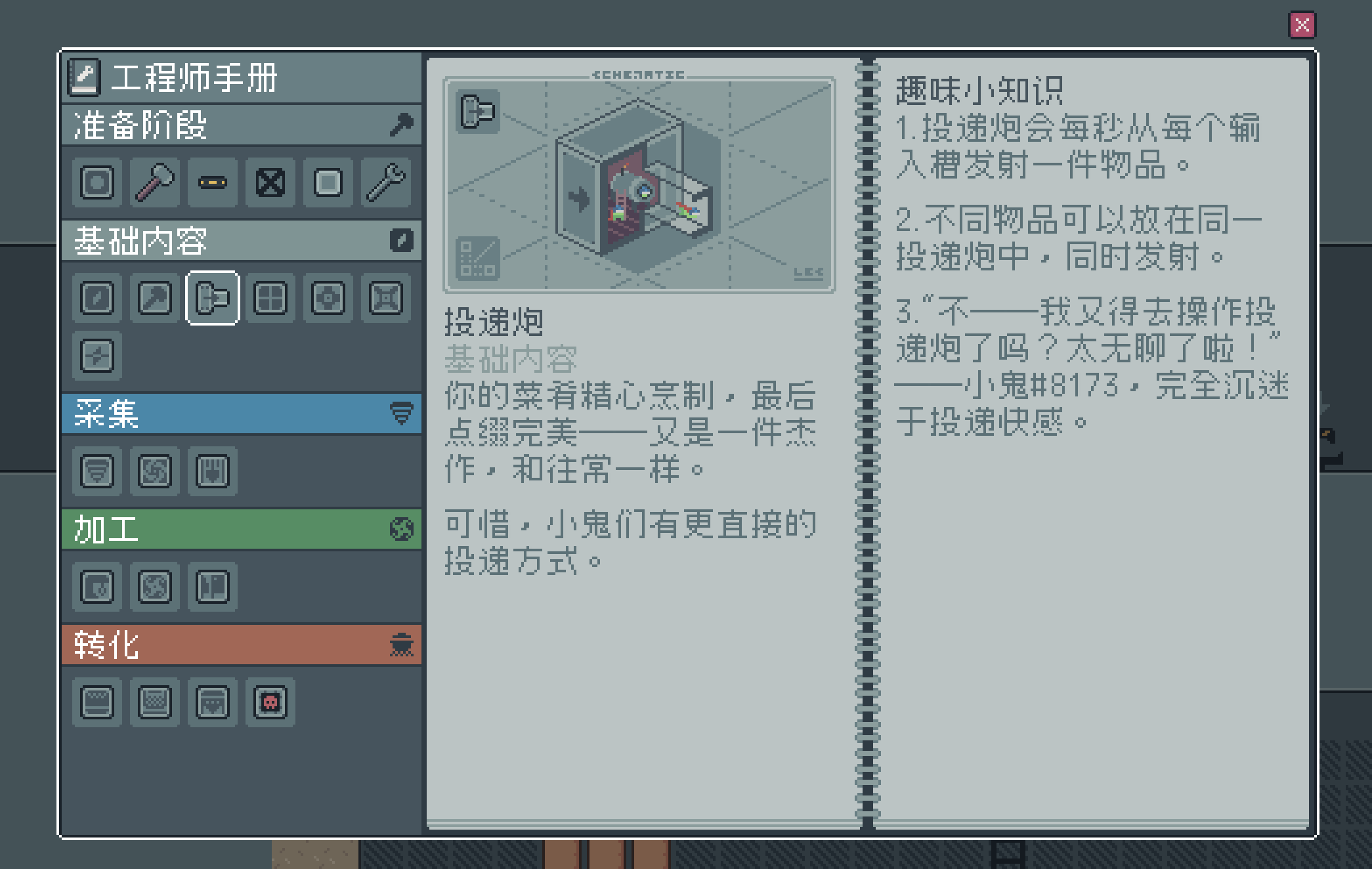 It just ended up quite tight with the rough timelines I had for full game development, but I got it done in time, and I'll be interested to see how much of an impact it makes with the regional stats.
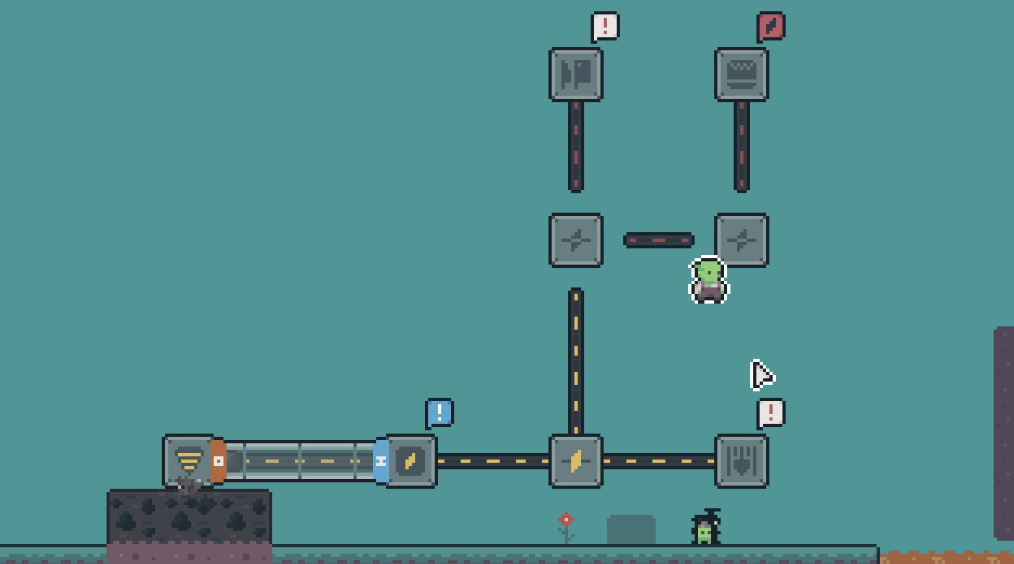
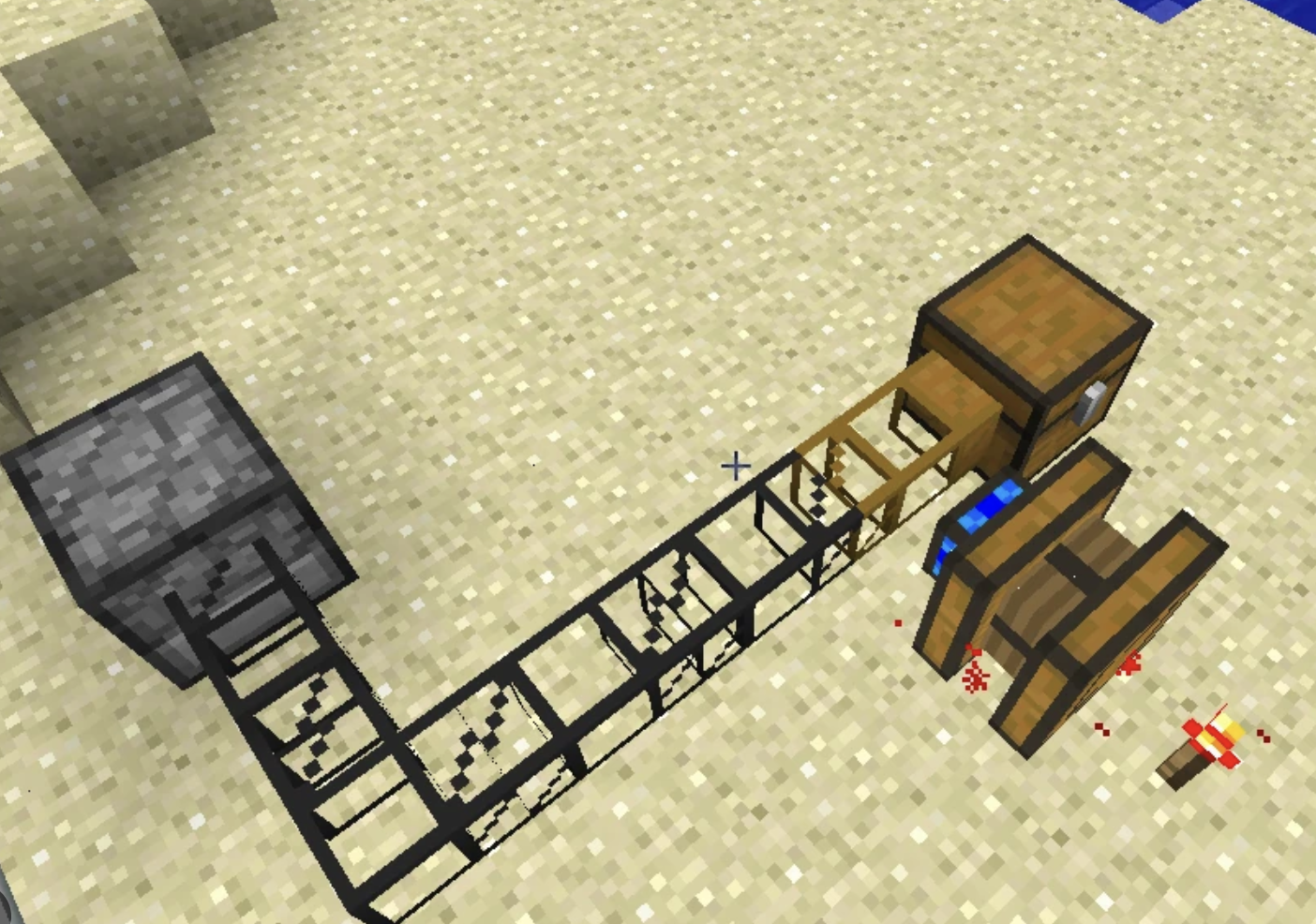 Shelf-life is like a 'time' an ingredient has before it changes, either rotting (eggs), going sour (cream), or simply rising (bread dough). Every tile they move is 1 second, so 1 second off the timer. Machines are 'refrigerated' so they stop the clock, but you have to change up your approach to make sure you get the ingredient in the right 'state' for your recipes.
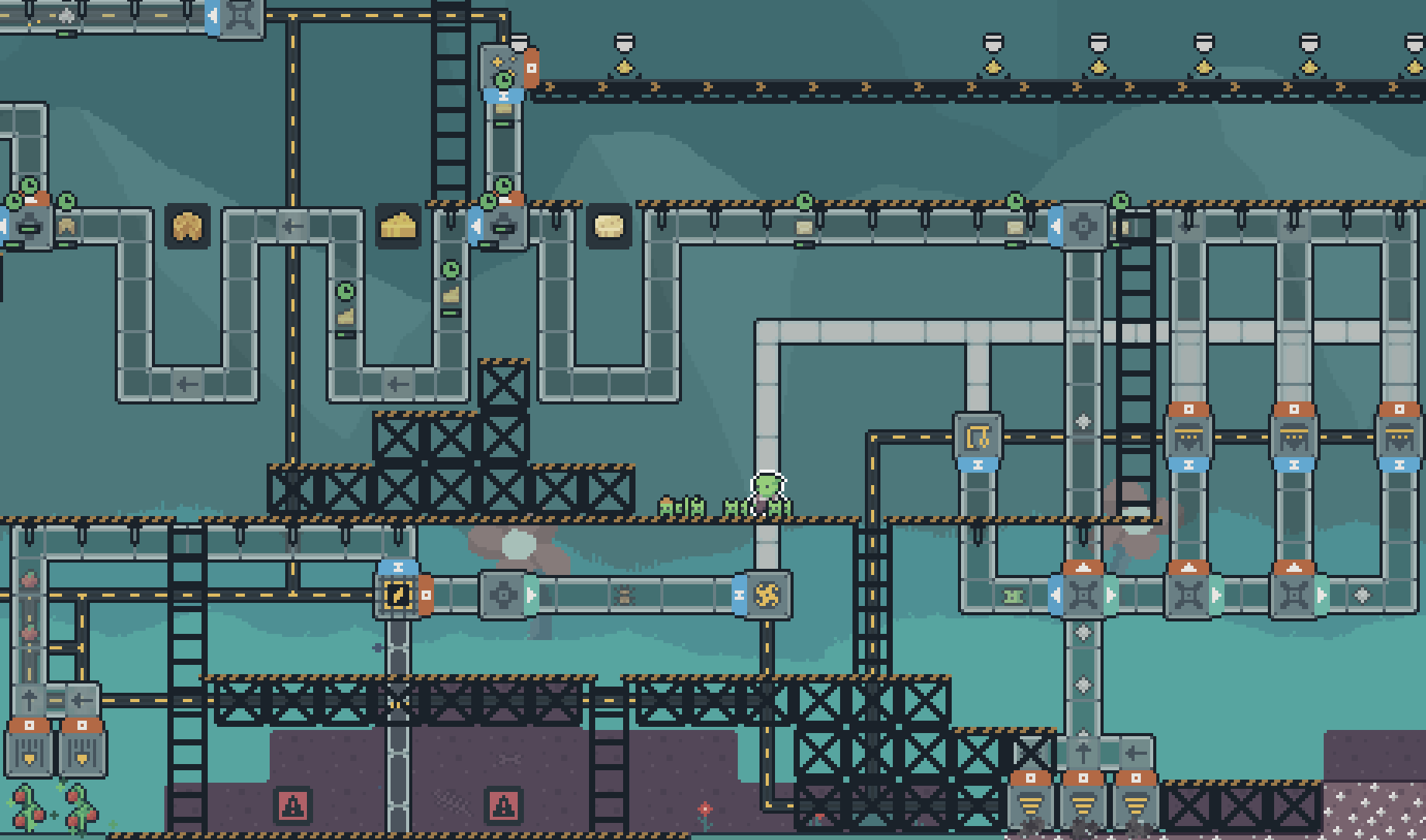 Food poisoning is a status that spreads to other ingredients, but it doesn't change the ingredient like overpowering, just marks it as poisoned and if your final dish is poisoned the beasts will reject it. Allergens work similarly but they also spread to machines, so if you handle nuts in a sorting machine, the sorter has trace allergens and anything else going through it will have allergens - and some beasts are allergic and will reject a dish with allergens.
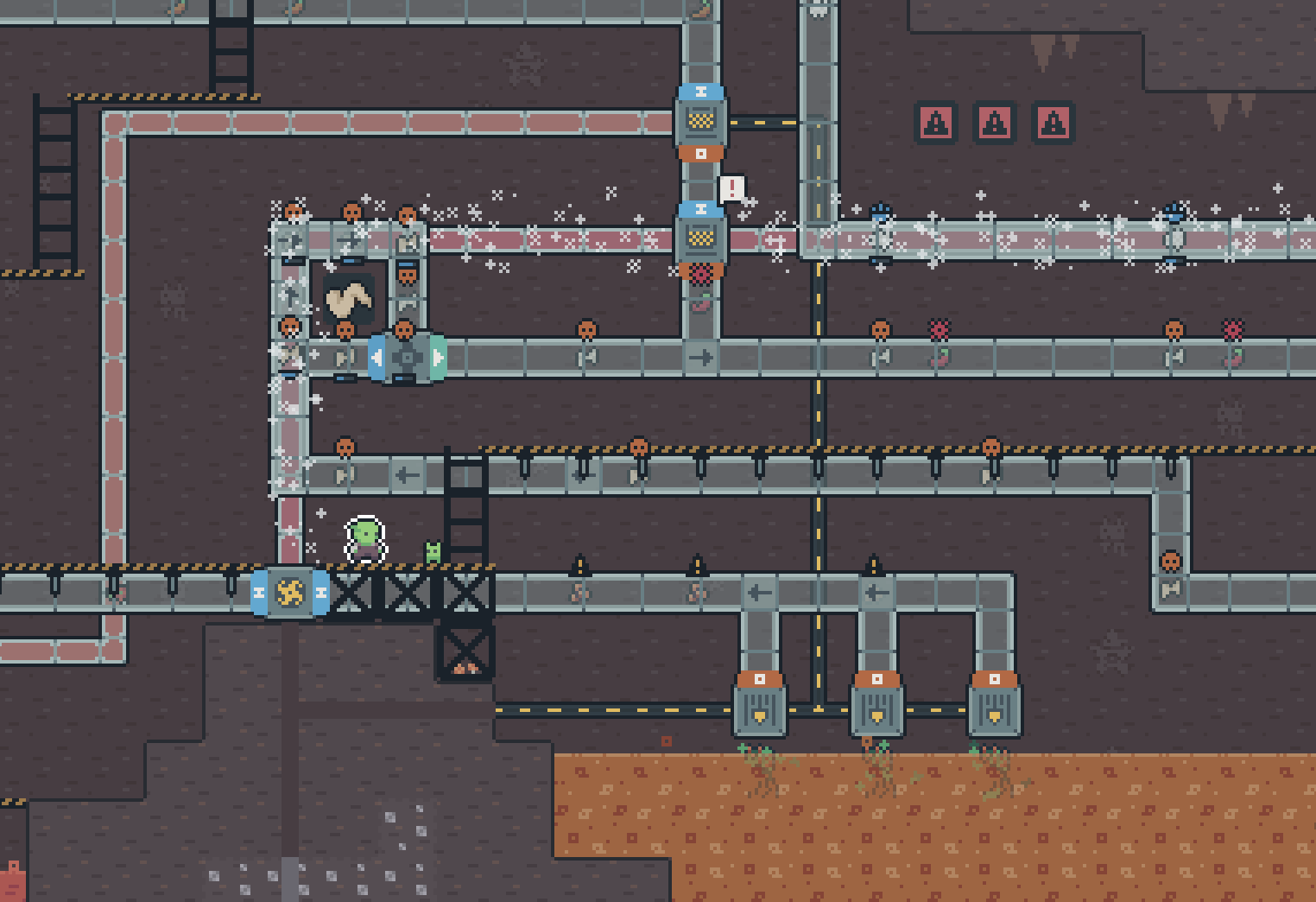 There's a couple other mechanics as well but I won't spoil everything, but safe to say there was a lot to introduce. But from a technical perspective it wasn't much code to actually handle - I updated my parcels/items/slots to all be able to carry status flags, and then parcels already have a mega controller that handles their movement every 1s, as well as deduping, so I could slot in some logic here to spread flags or change items or count down a timer.
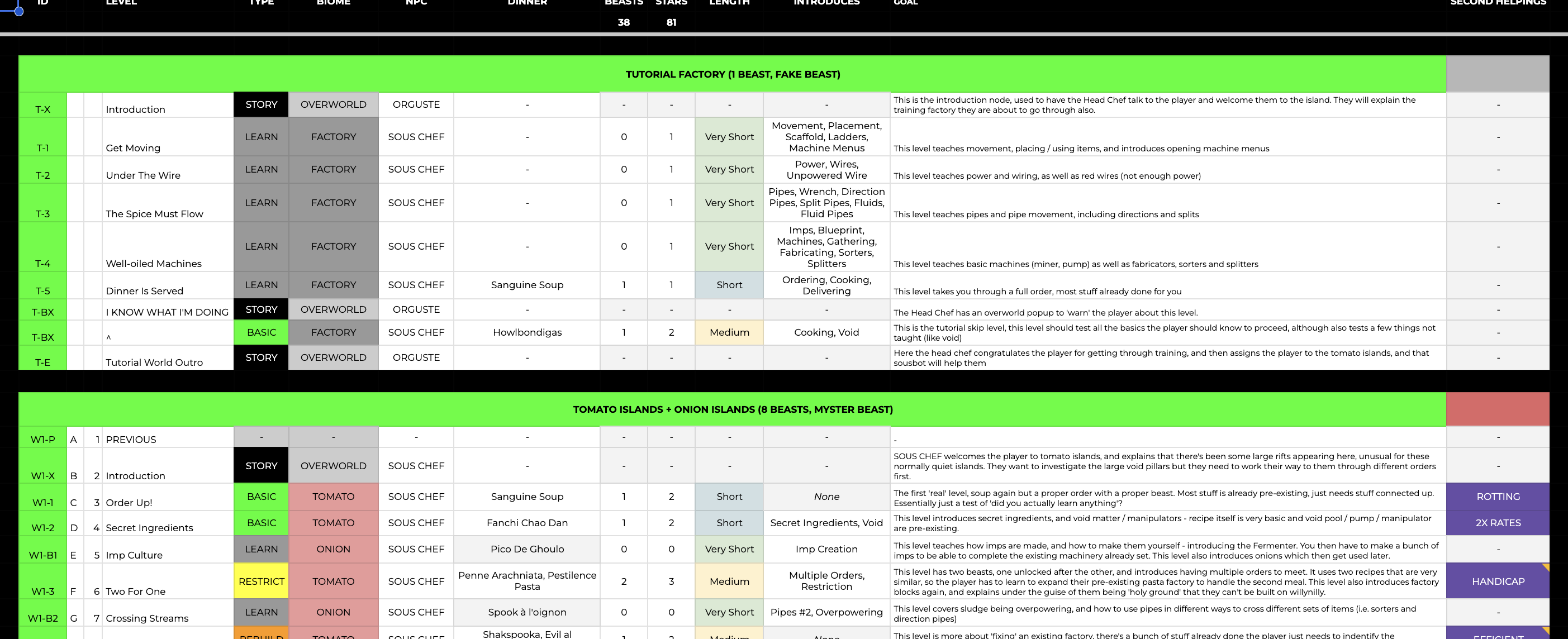 I then started working through each island and coming up with the actual recipes for each island. I had the set of ingredients for each island, and from that I could look for different dishes using those base ingredients (shout out to wikipedia for having weird little 'list of tomato based dishes' type pages), which helped me look for stuff from around the world rather than just in western food, as I wanted to get a range from all over.
 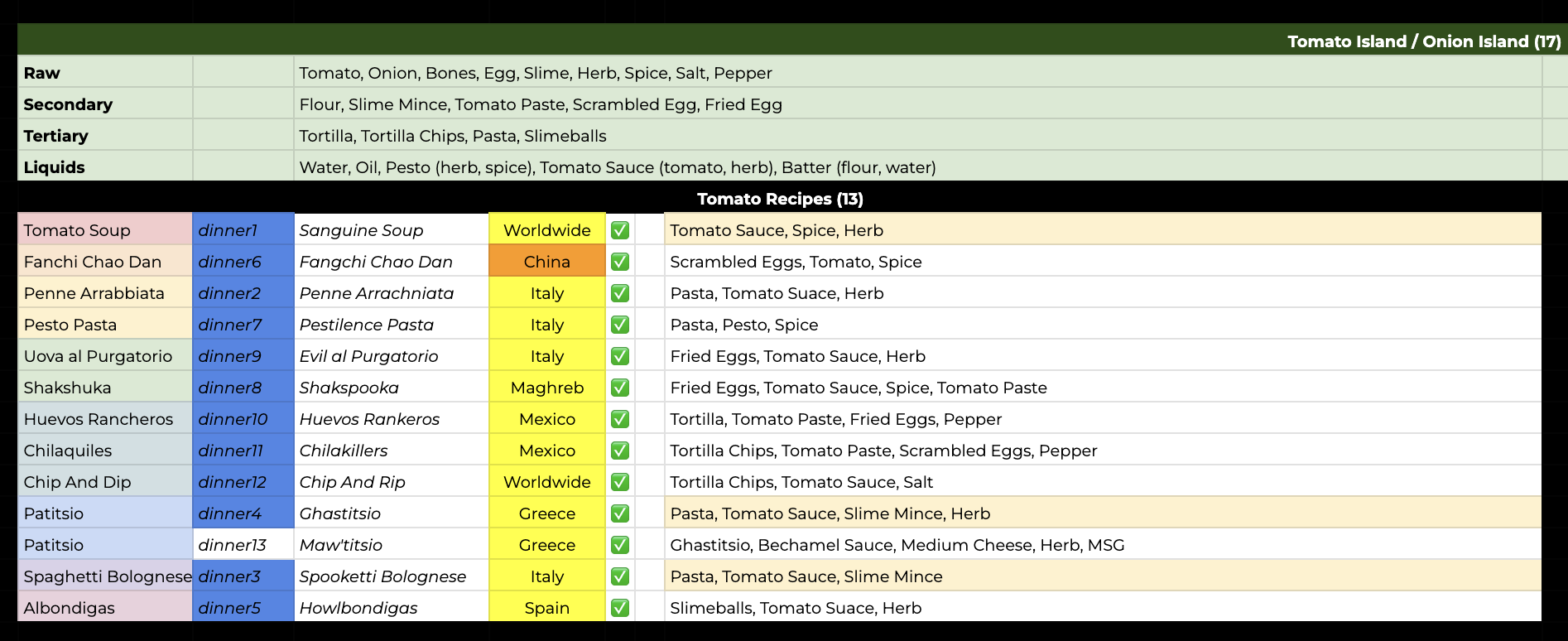 This took me to the end of November and then I had one more mammoth task that I wanted to get done before the year ended so I could start 2026 with just level design - I needed to do a LOT of writing. I wanted to get a big chunk done for localisation to start, I couldn't do any dialogue or story stuff as that would depend on the levels (i.e. the bot telling you X resource is over THERE, I can't predict that stuff) but I could do every ingredient, tooltip, UI element, recipe lore + steps, and all beasts and their lore.
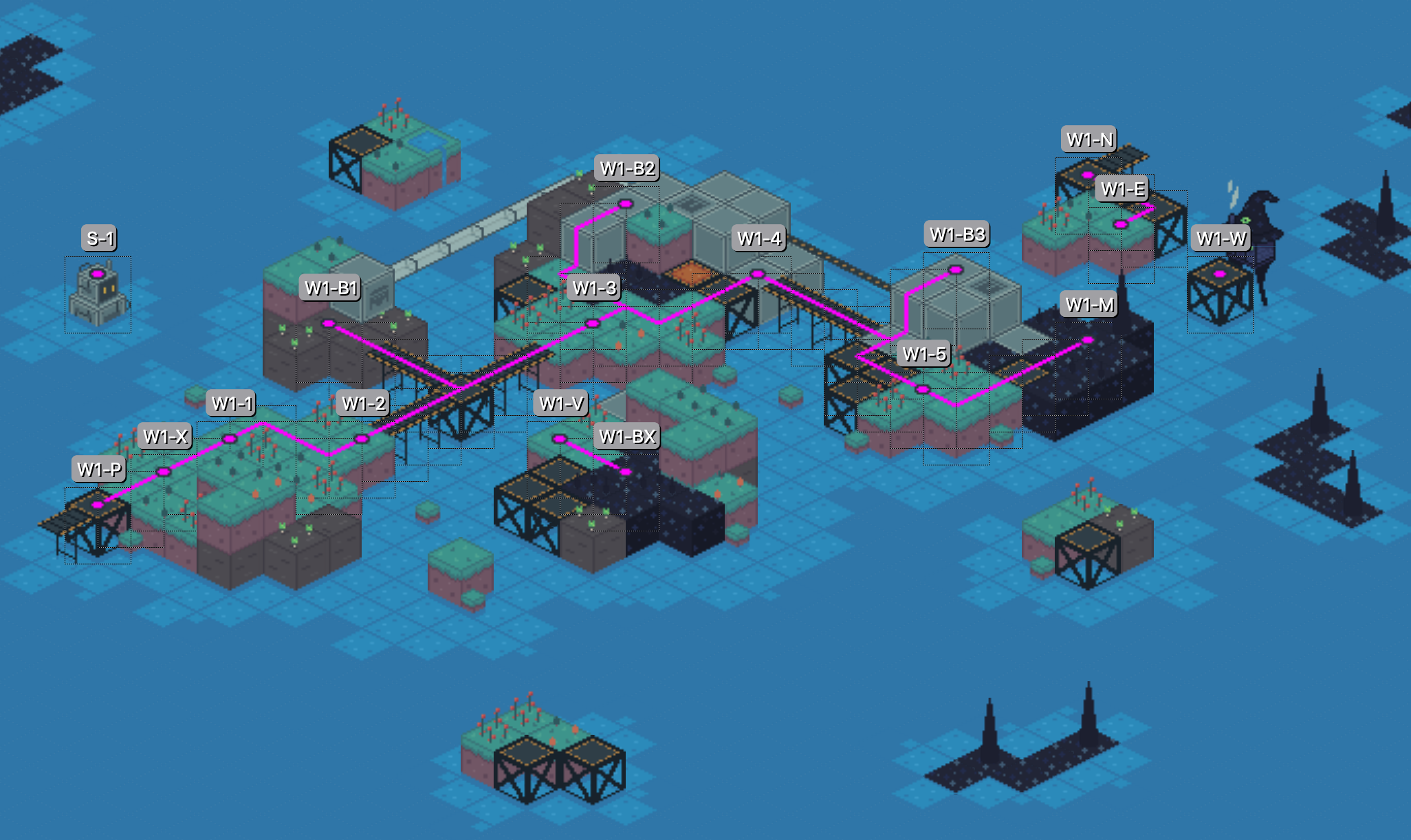
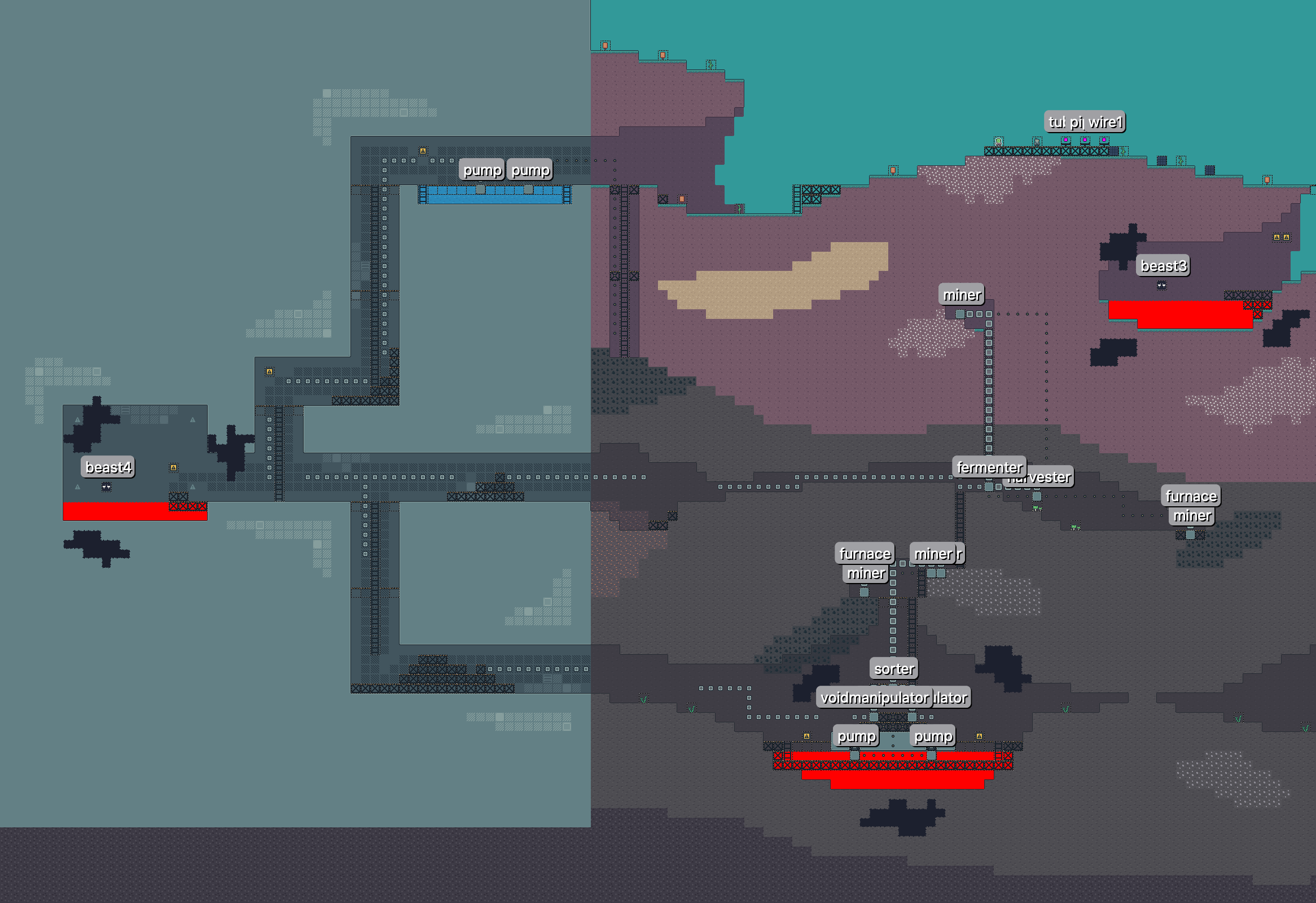
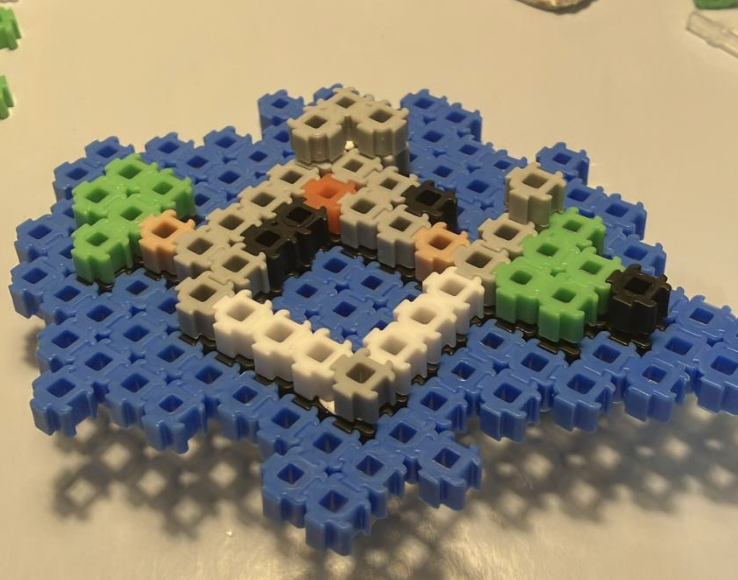 Probably the most fun I'd had so far designing this game tbh! I mapped out all the islands (tutorial, big 3, capital and postgame) and roughly where all the levels would sit in the progression. It was then easy for me to put this into Tiled for the actual overworld map and add any nice decor or little extra islands for balance. Basically I have layers of blocks, and then special layers for the level node positions (which get loaded as buttons) and then another layer for the paths which you can see below in pink. The paths get loaded and then only rendered based on level progress.
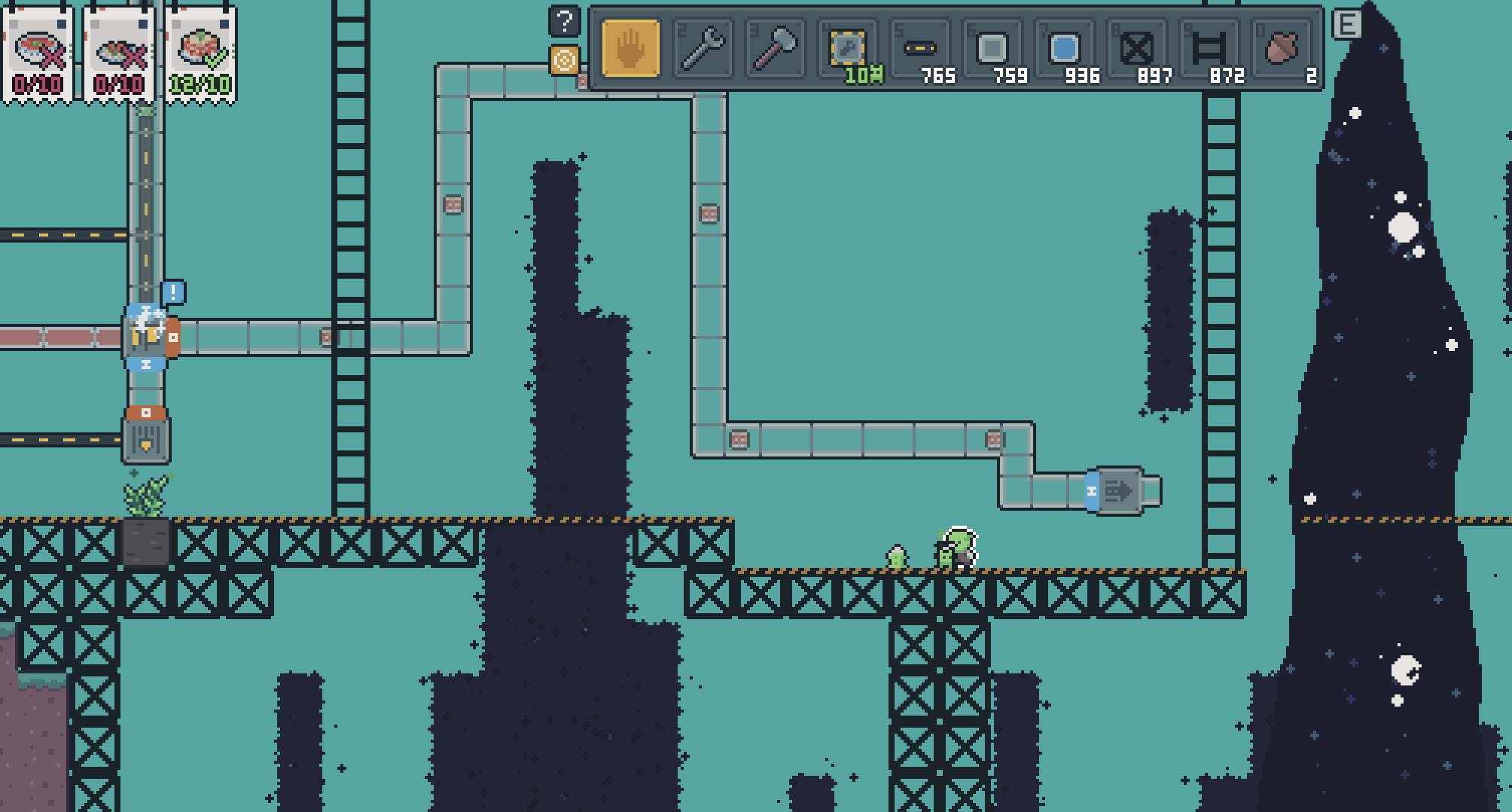
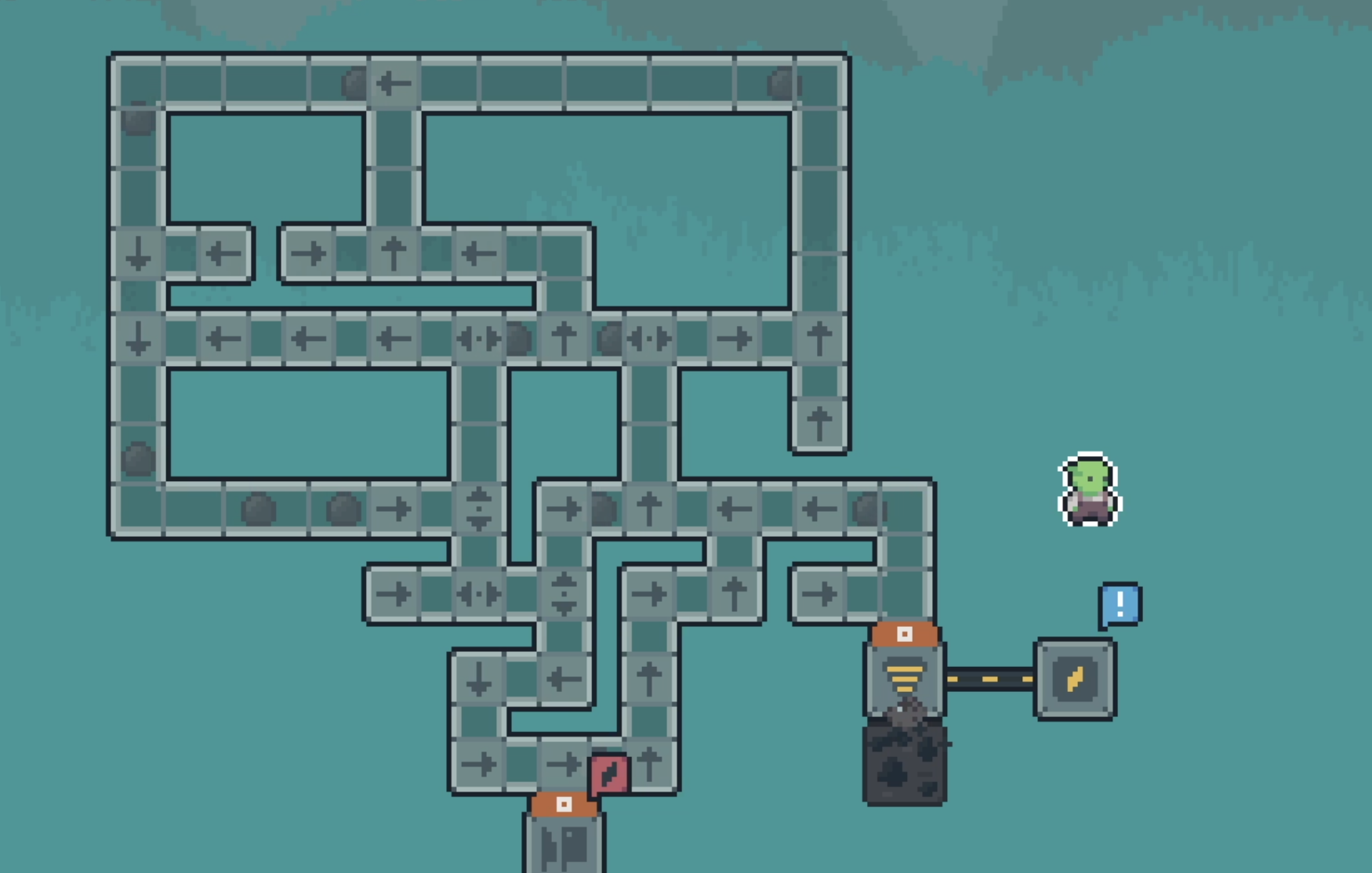
 Designing the other few levels was a bit slow, as I had a couple new things to test - while I had already added all mechanics I hadn't properly battle tested them, so for example conveyor belts which get introduced in a bonus level had some pathing jank to clean up which I only really found out when trying to use them properly for a level. I also went back and re-did the other two bonus levels, as I wanted every level to always have a recipe or two - even if it was small. That way I could introduce certain ingredients in the bonus levels early before you play with them, and it feels natural because you're still making a real dish even if it's not for a beast.
 Garlic Island
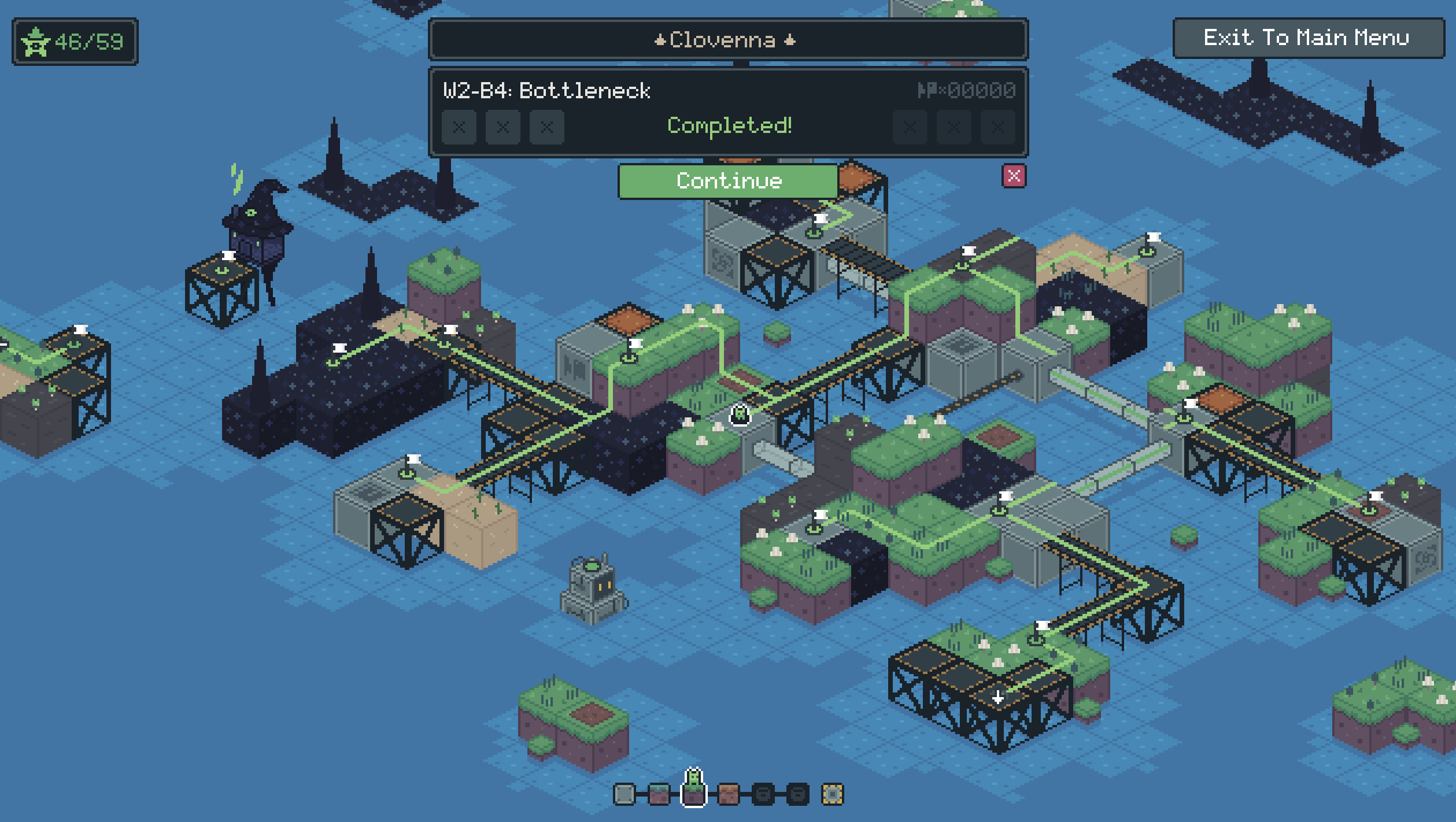 I'd say about halfway through this island I finally felt like 1. I was getting into a groove with designing the levels and was averaging about 2 a day and 2. The game was actually Fun. After designing each level I test it fully end-to-end, just to see anything obviously annoying or wrong, and for most levels I was actively enjoying them while playing, which is a nice change! The only thing I'll need to do is make sure more people test the levels, as I always know the trick and what the level is trying to teach you/show you, so I need fresh eyes who don't have that insider knowledge to check them all - but I'd be very surprised if I've designed any so far that are so badly wrong I need to scrap it.

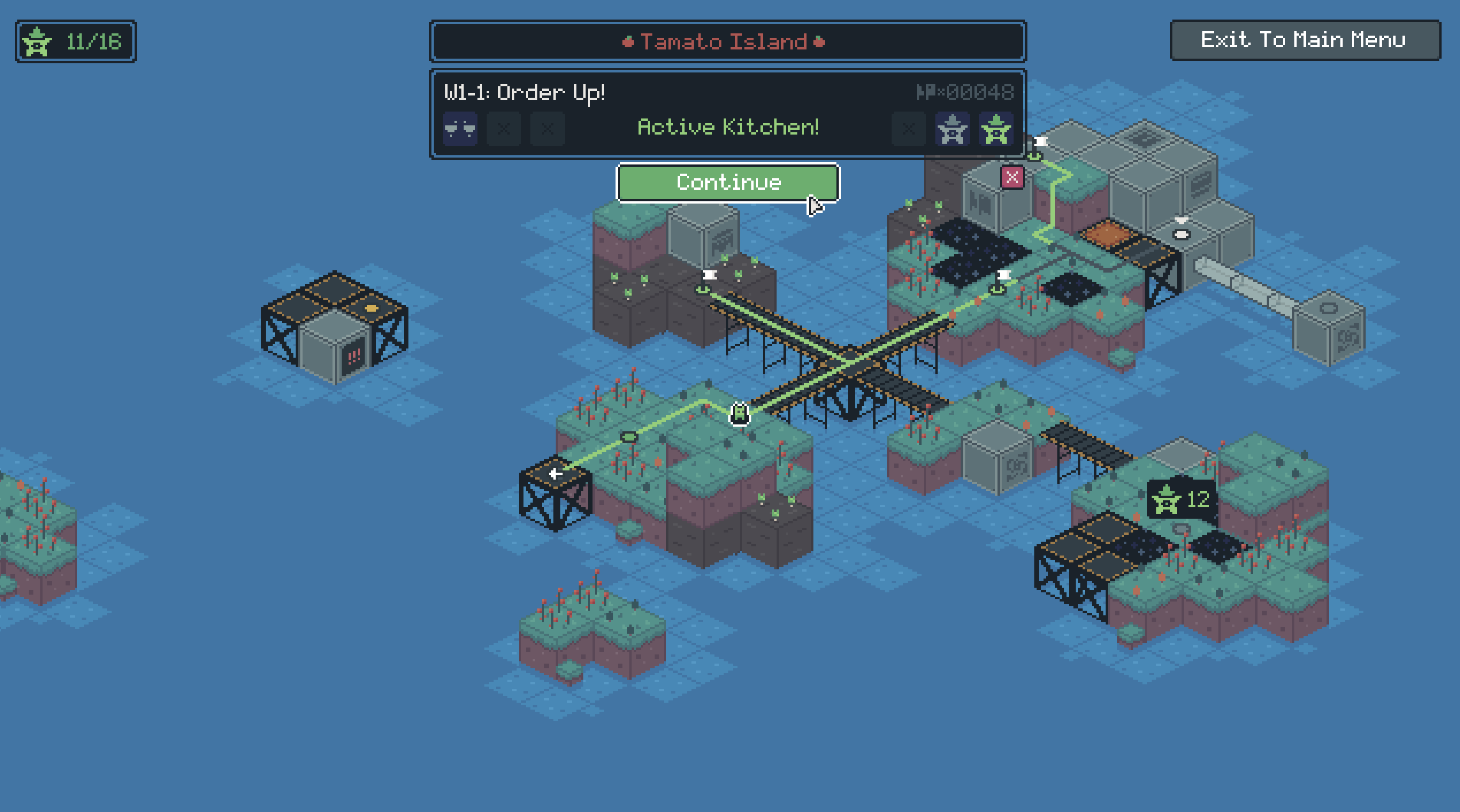 The overworld design got changed a few times, which helped make me feel like changing to the Tiled system for the overworld wasn't a waste of time after all, as all the tweaks I had to do would of taken far longer in the old system.
 With all the levels done, I also went and added a small 'Sandbox' level. I wanted to have somewhere where the player could go, unrestrained by resources, and just be able to experiment with different layouts and structures.
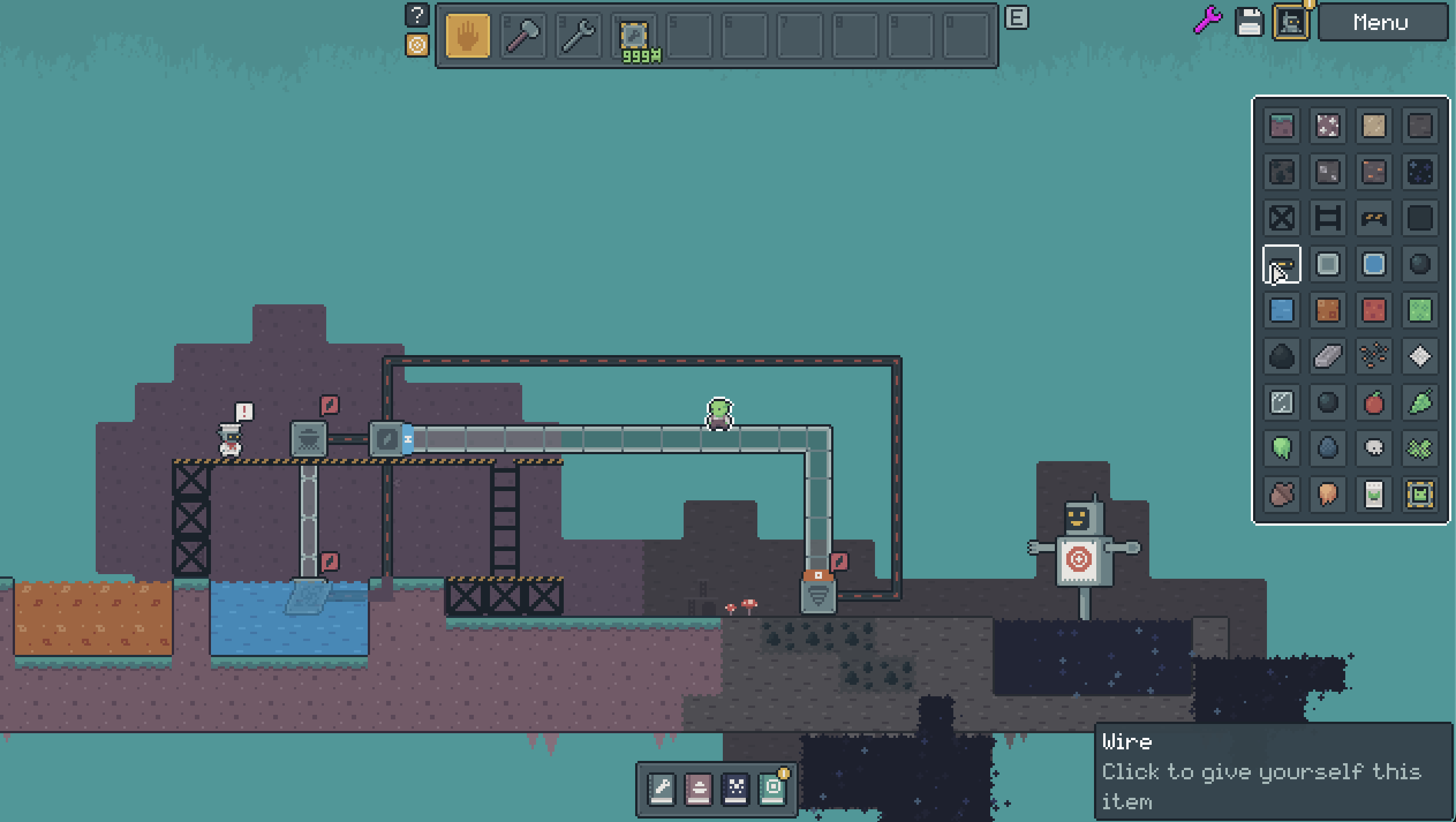 There's also a new 'eraser' tool that lets you completely remove blocks and liquid, so you can setup nodes however you like for testing purposes.
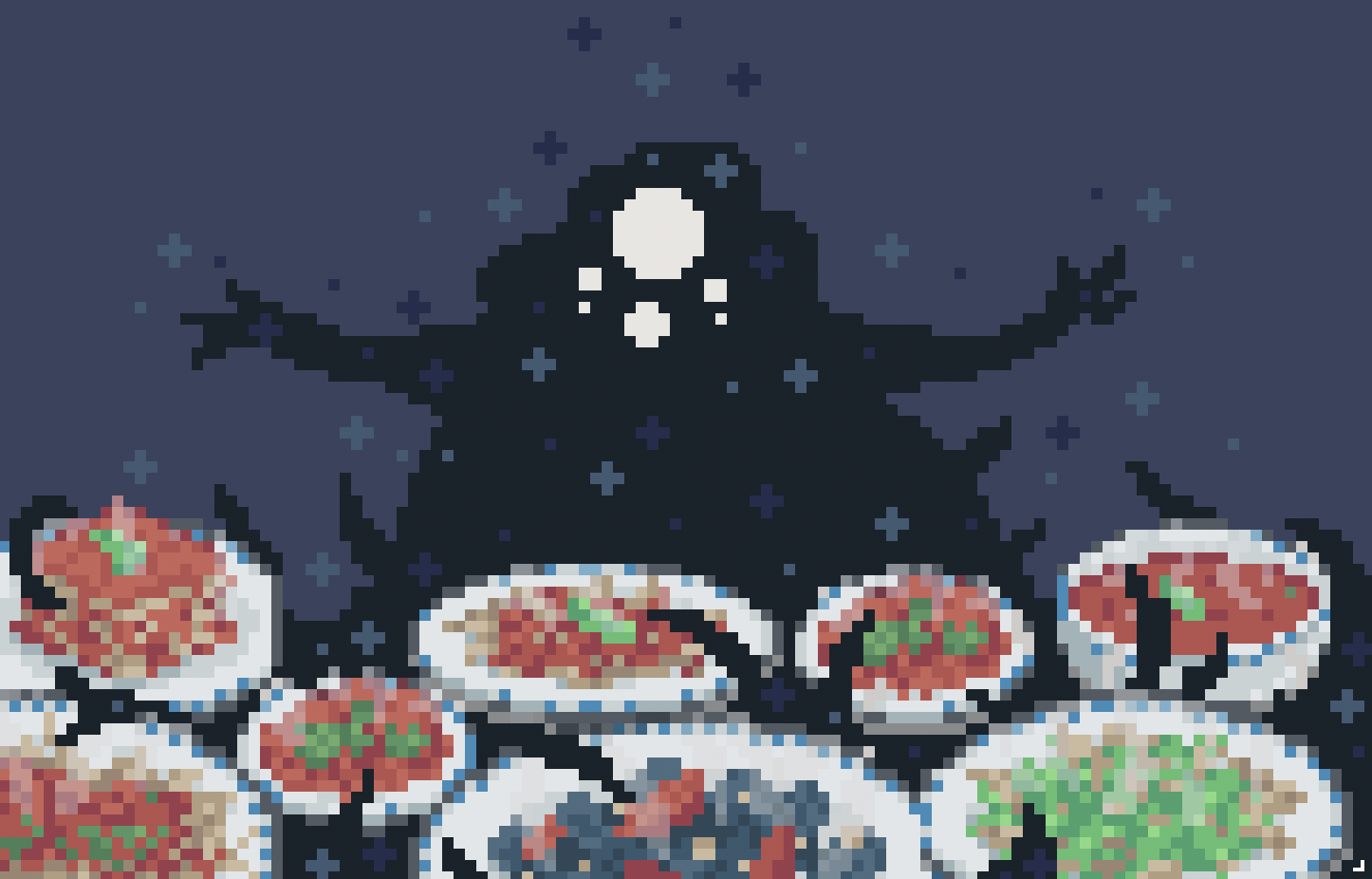 With that added, I was done with Tomato Island! I had some music and sfx to finish off, a basic controls menu, and a few bugs to get through from general testing, but overall I was feeling happy with the shape of the new demo now - it was time to see what other people made of it!
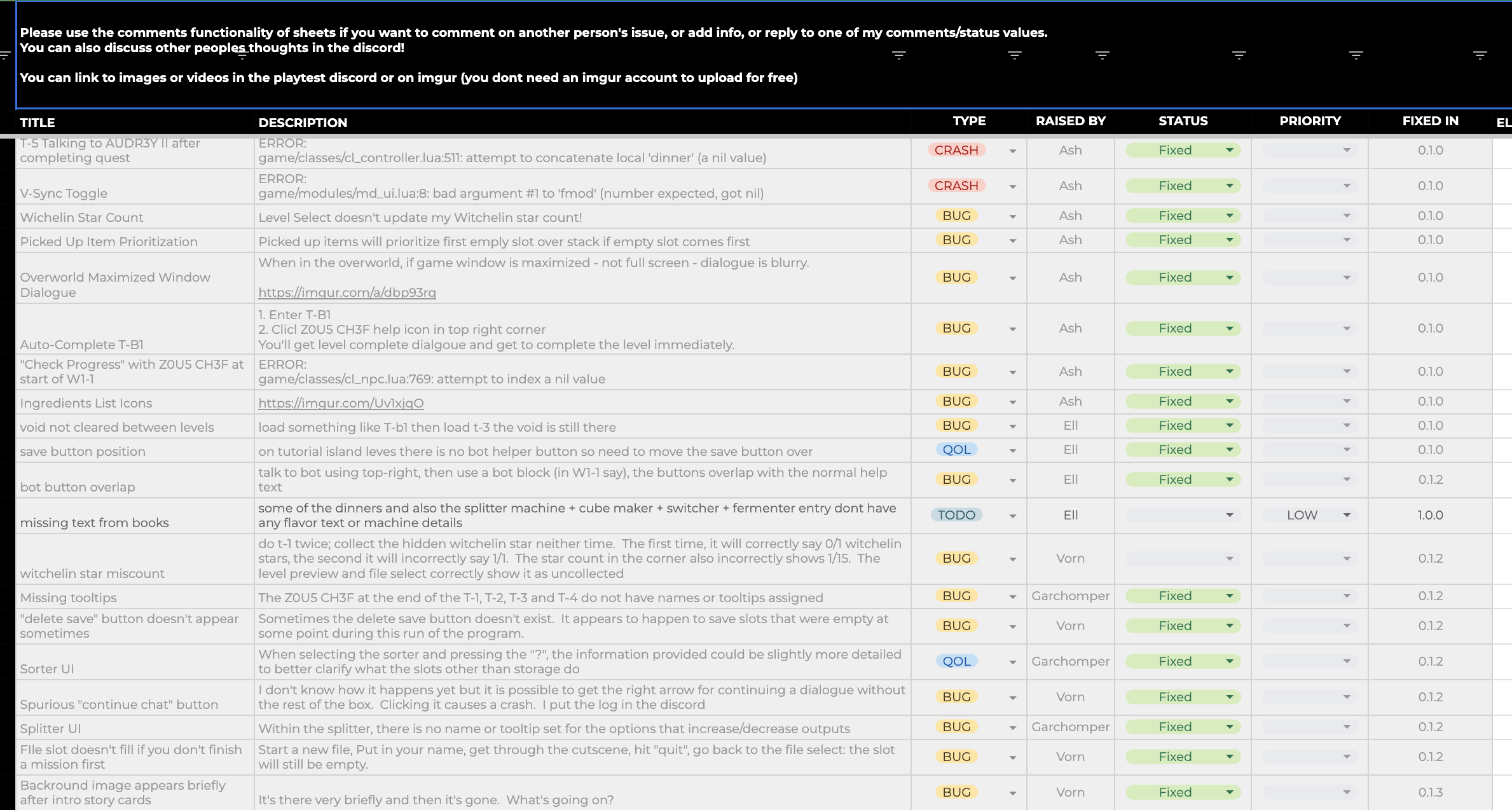 It was lovely to finally get some fresh eyes on the game though - the old demo came out in 2023, then Mudborne happened, and then I've just been working in silo on this new version for ages, so you definitely start to second-guess everything.
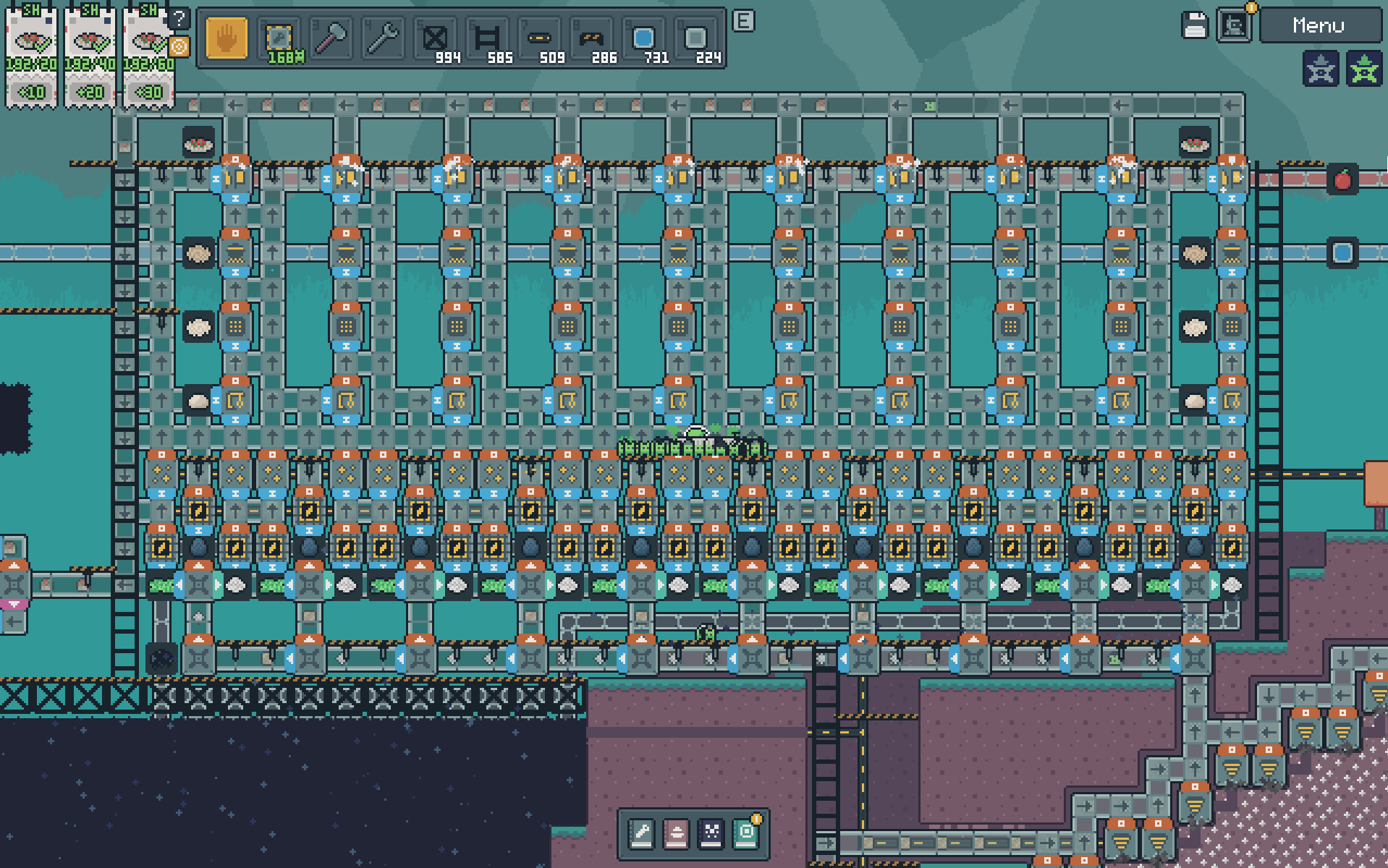 The playtest carried on for a couple weeks, but it was also the time I had some family stuff happen so I didn't actually get back into things for another few weeks. Around mid-October I took some stock of all the feedback, and bullied all the playtesters into filling out a big form - from there I had some common things suggested that I then added to the new demo.
 There was also some requests for having the ability to do stuff like copy/paste existing machines, which would then copy them with their settings (i.e. copy a sorter machine and the filter settings are copied too)
 While doing so I was thinking maybe it'd be good to have the ability to favourite a machine for quick-access. I ended up taking this, along with a 'recently used' and combined it with the copy paste to make a new design for the blueprint.
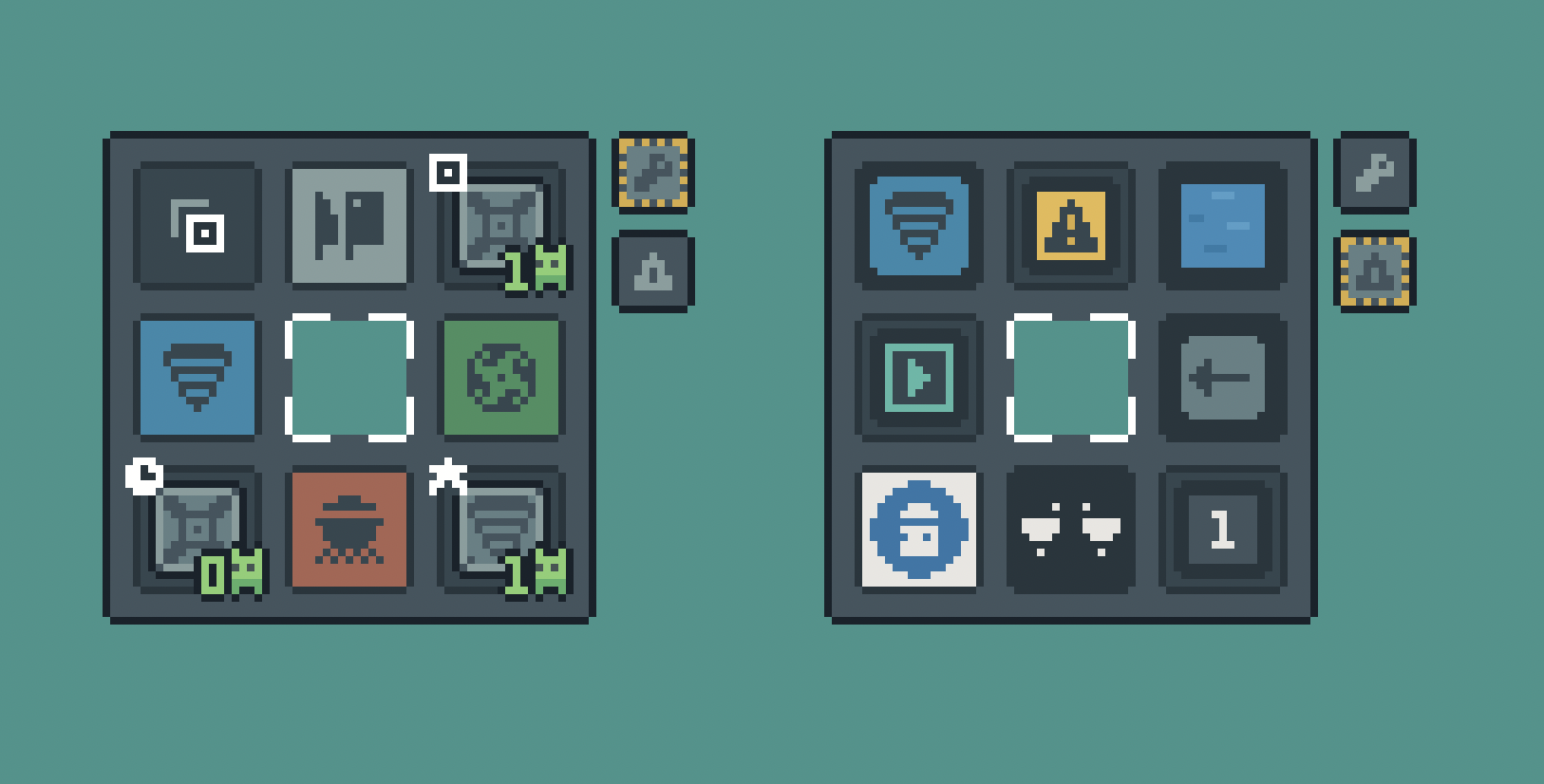 By using the copy tool (top left on left side) (or CTRL+C hovering a machine), you can set a copy target, then paste with the paste button (top right on left side).
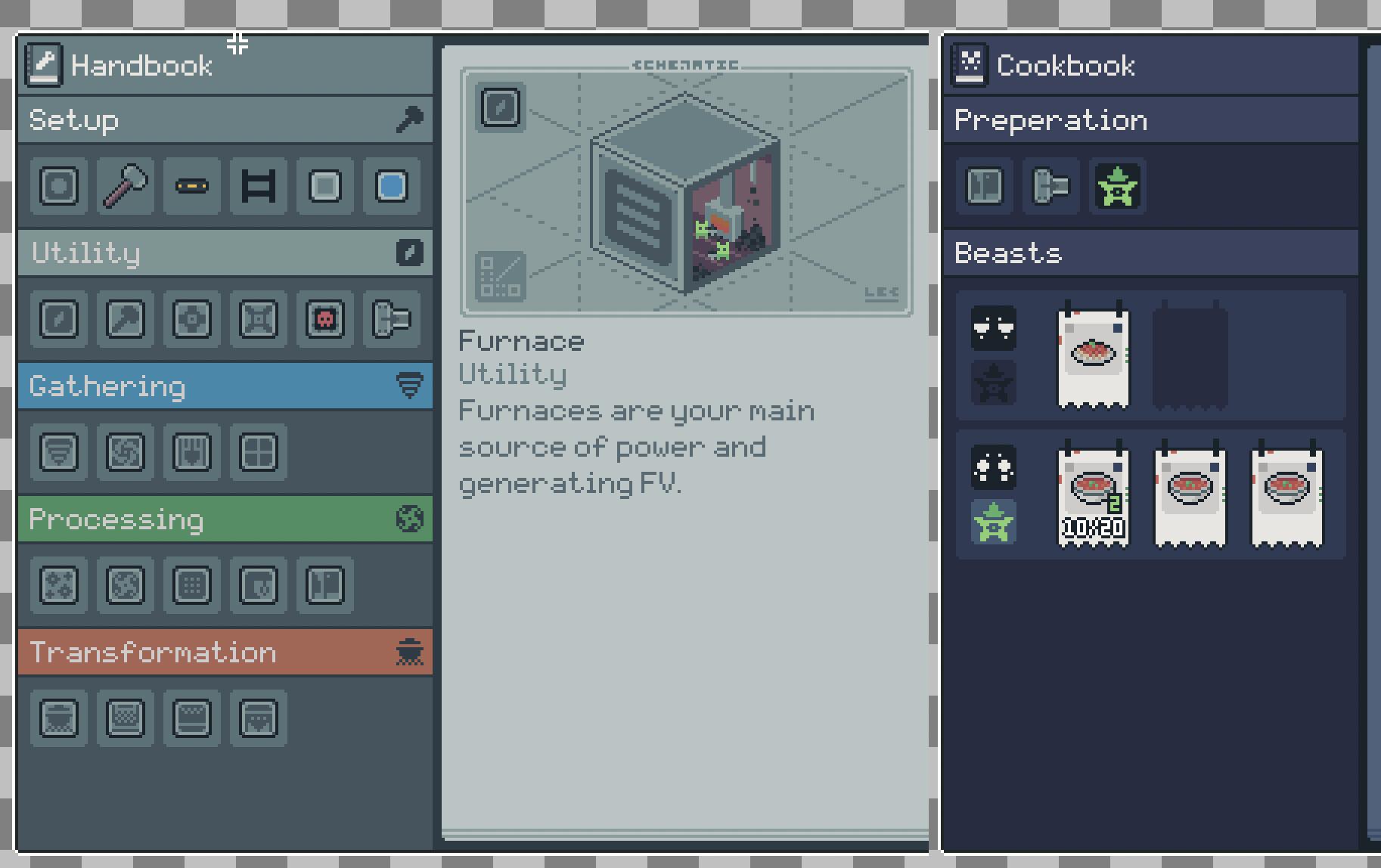
 I also spent a little bit of time redesigning the book chapters to be more like what I did with Mudborne, where each chapter button is now more of a little widget showing more info or a better visual for that chapter. For example the recipe book shows the large detailed dinner icons, the beast book allows you to see the progress of all orders for all beasts.
 There was a lot of other small tweaks, too numerous to list them all, but the main thing really was all the playtesters were having fun and there was nothing too annoying stopping them play. With the last tweaks finished up and one final round of testing, I had a finished 1.0.0 demo ready to order!


 载入中
载入中

