



安装 Steam
登录
|
语言
繁體中文(繁体中文)
日本語(日语)
한국어(韩语)
ไทย(泰语)
български(保加利亚语)
Čeština(捷克语)
Dansk(丹麦语)
Deutsch(德语)
English(英语)
Español-España(西班牙语 - 西班牙)
Español - Latinoamérica(西班牙语 - 拉丁美洲)
Ελληνικά(希腊语)
Français(法语)
Italiano(意大利语)
Bahasa Indonesia(印度尼西亚语)
Magyar(匈牙利语)
Nederlands(荷兰语)
Norsk(挪威语)
Polski(波兰语)
Português(葡萄牙语 - 葡萄牙)
Português-Brasil(葡萄牙语 - 巴西)
Română(罗马尼亚语)
Русский(俄语)
Suomi(芬兰语)
Svenska(瑞典语)
Türkçe(土耳其语)
Tiếng Việt(越南语)
Українська(乌克兰语)
报告翻译问题


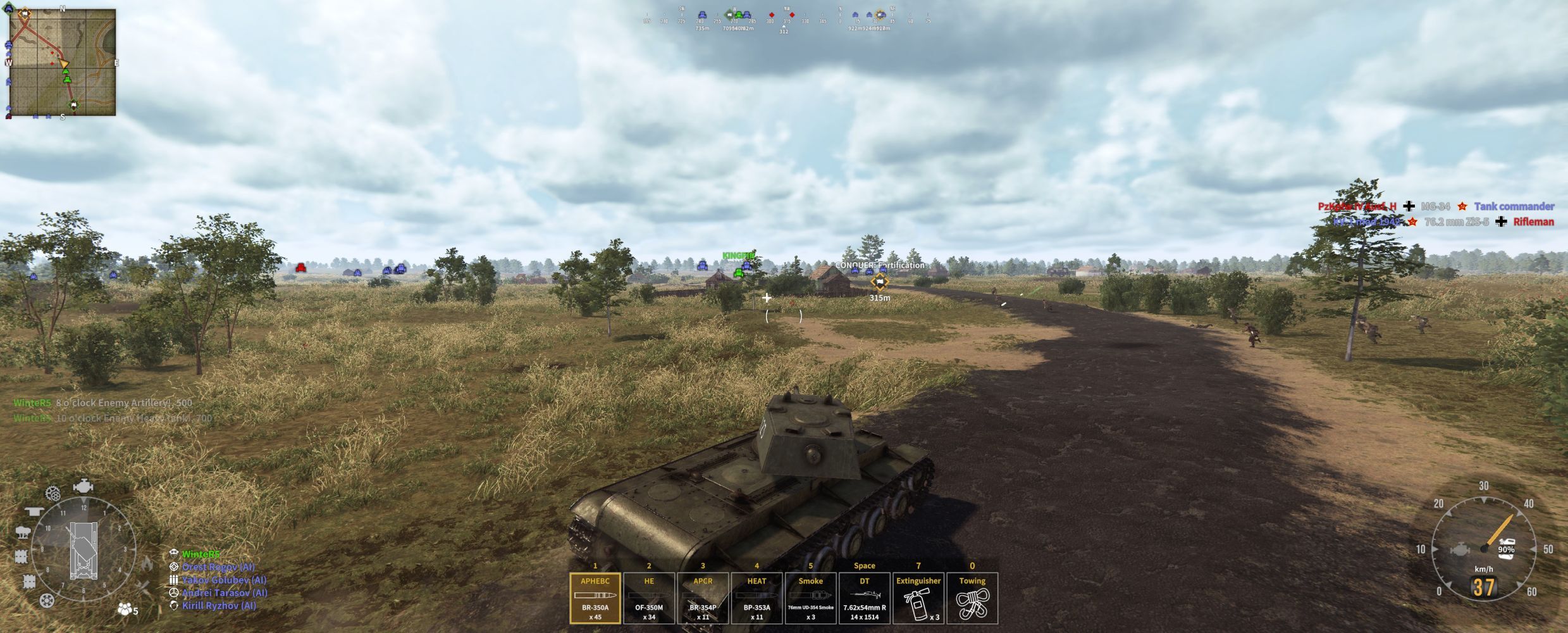
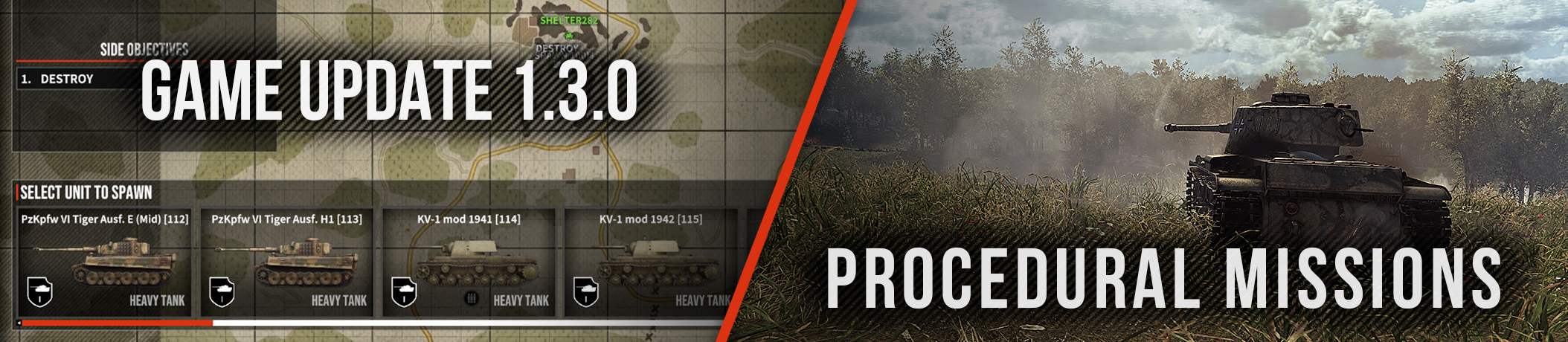 As for the procedural missions themselves, you can read about our concept and how they work in our development updates #90 and #91, where we’ve covered this in detail.
  Today we are celebrating the first anniversary of our game’s launch. To mark the occasion, we have prepared a video for you
 This year we are taking part in a sale event organised by our friends at Fulcrum called the World War II Games Sale.



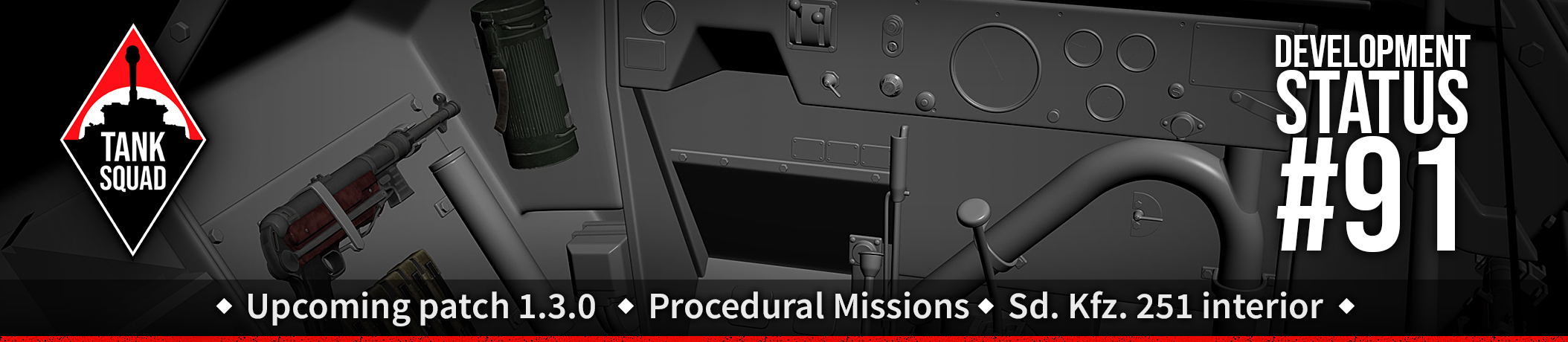
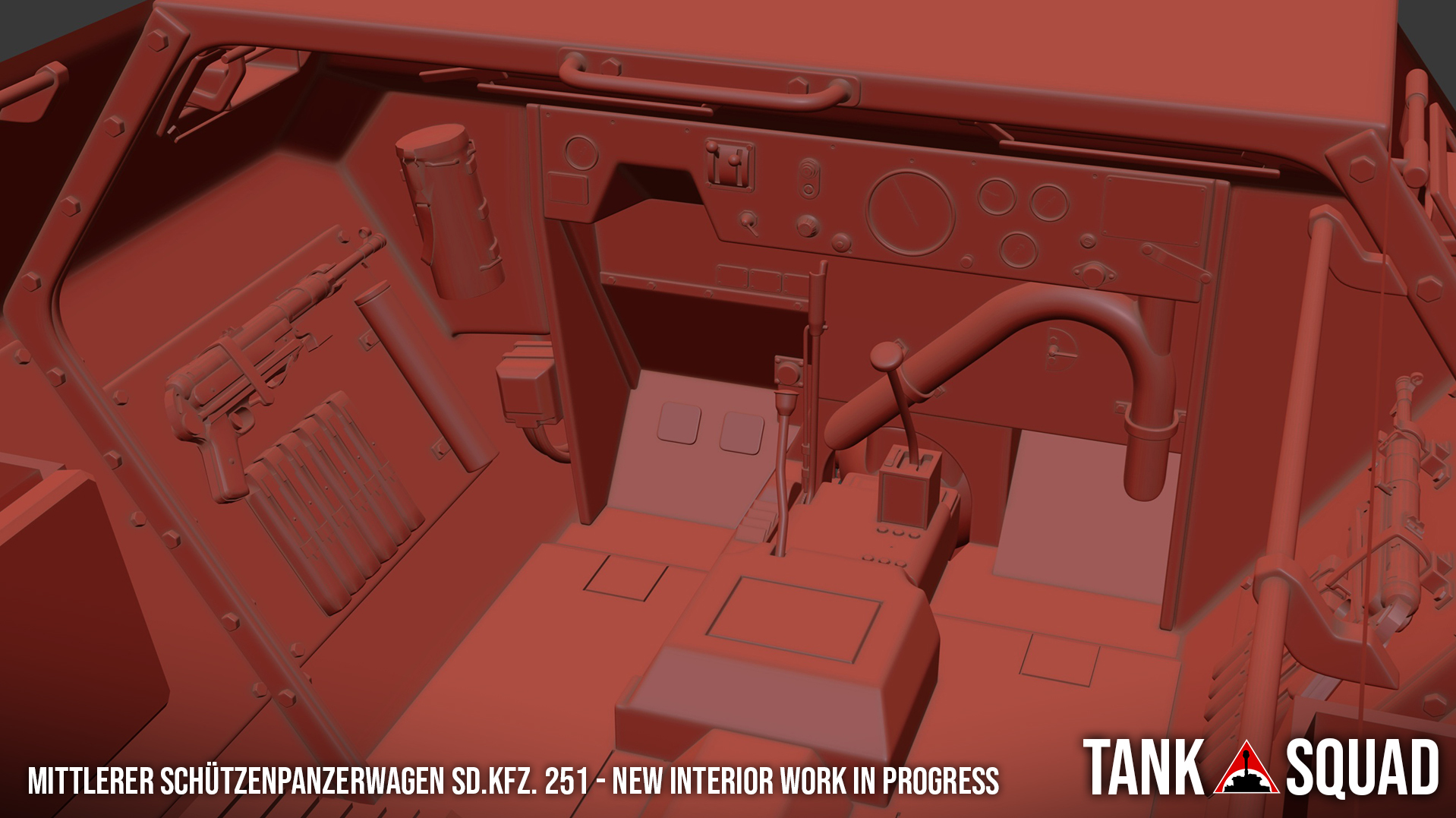
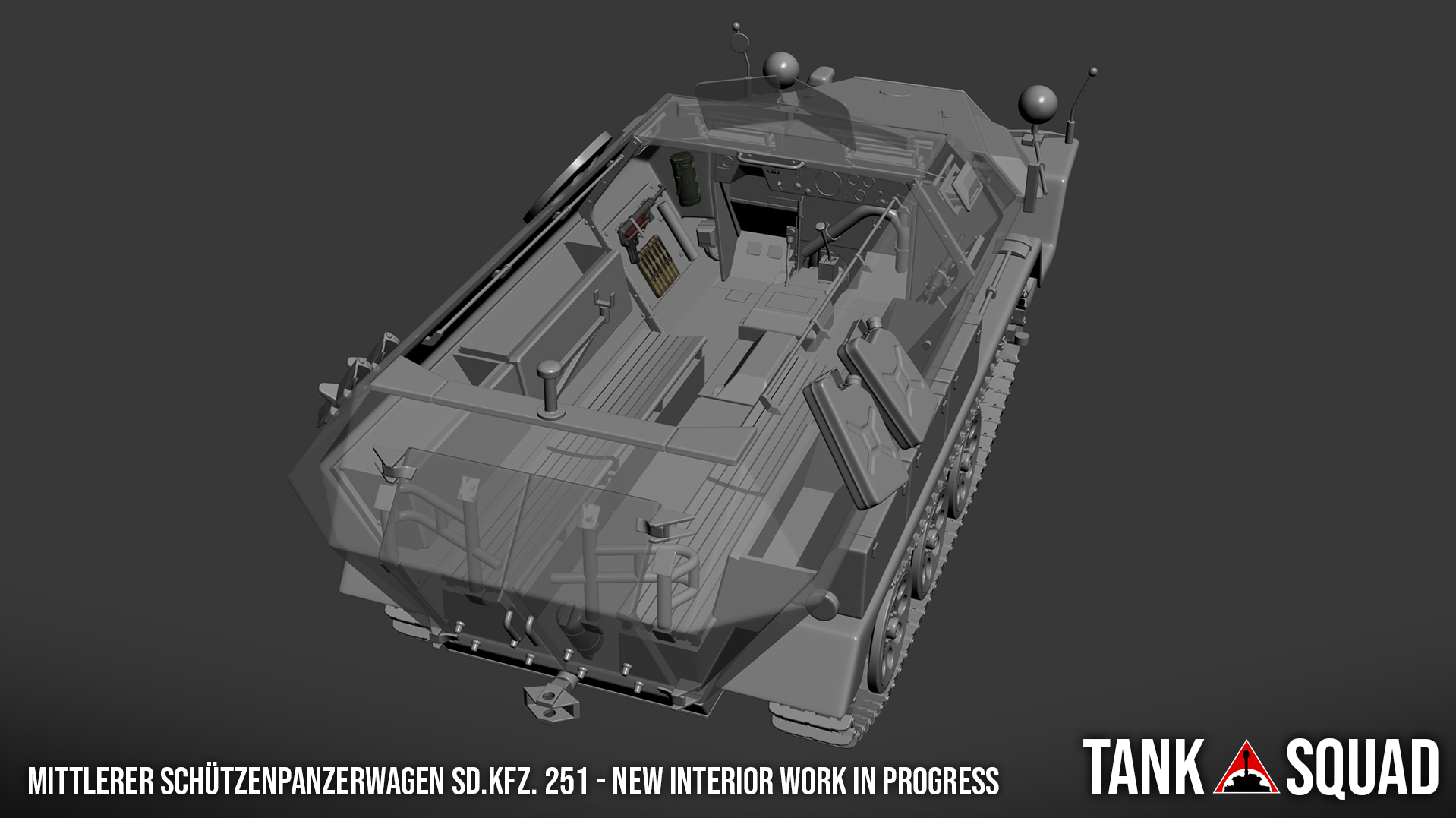
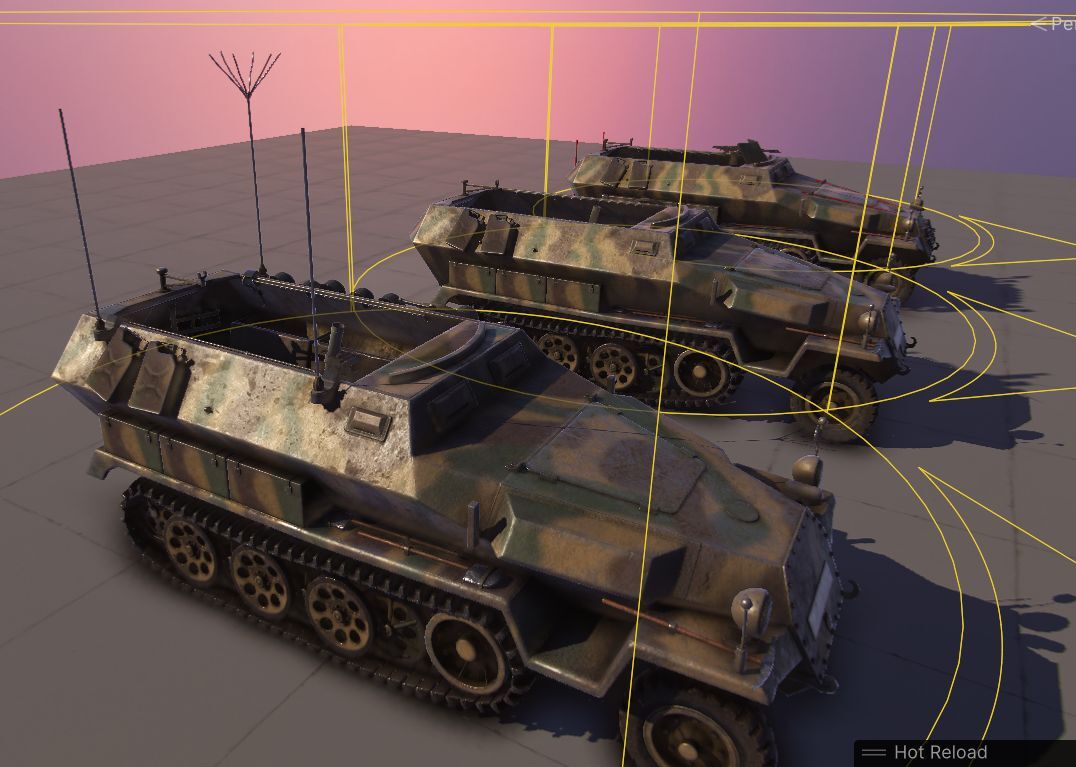 I have started work on the fourth version, equipped with a 7.5 cm Kwk 37 L/24 short-barrelled gun, commonly known as the “stummel” (“stump”). Whilst working on this version, I decided to refresh the interior, as it still dates back to our first game, Tank Mechanic Simulator, when I created this vehicle back in 2019. Changes were required anyway due to the modifications made to the interior to fit the Stummel gun or the 3.7 cm Pak 36 version 251/10.
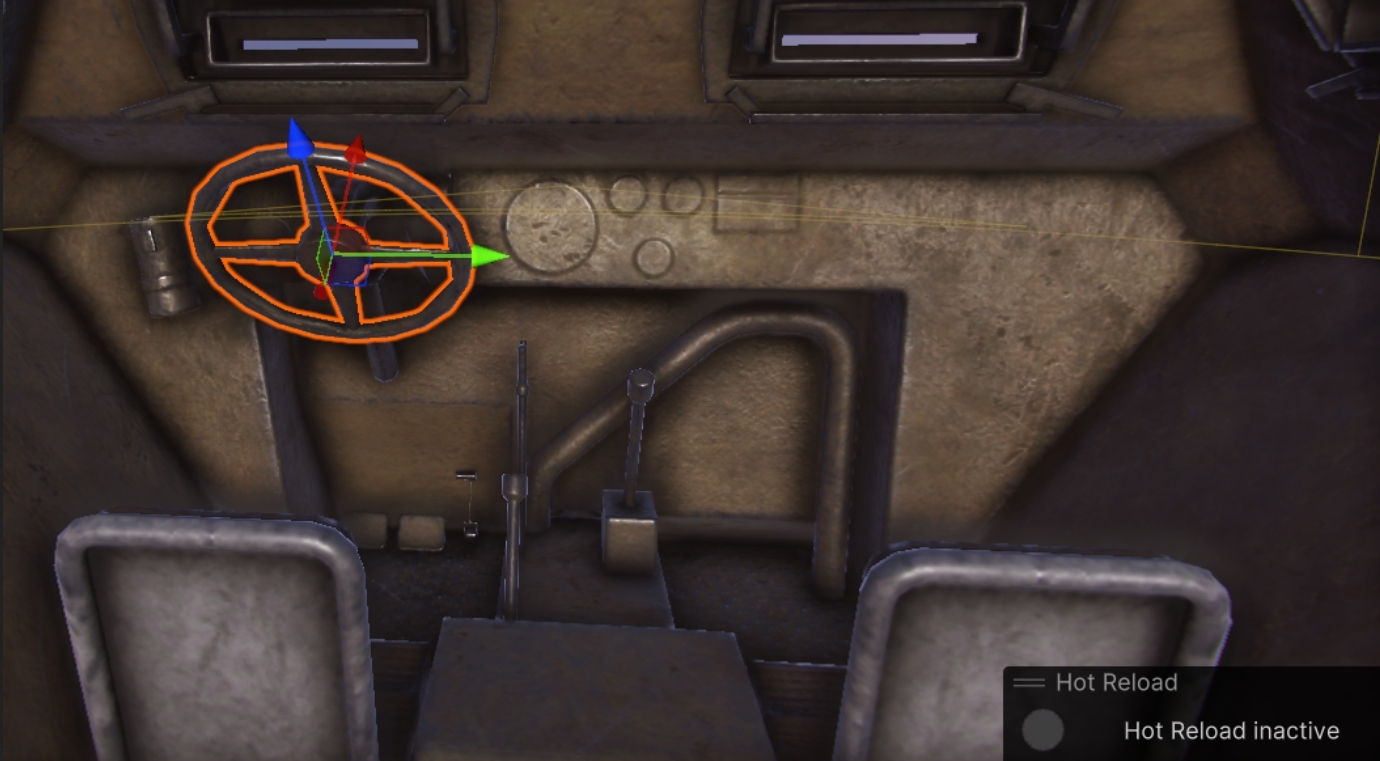 The changes currently planned include a complete overhaul of the interior and adapting it for these versions, including a radio unit, modified benches and seats, and a brand-new dashboard complete with gauges and rev counters. I also want to make new visors and periscopes. Basically, I want to add more detail so that it’s a pleasure to sit inside.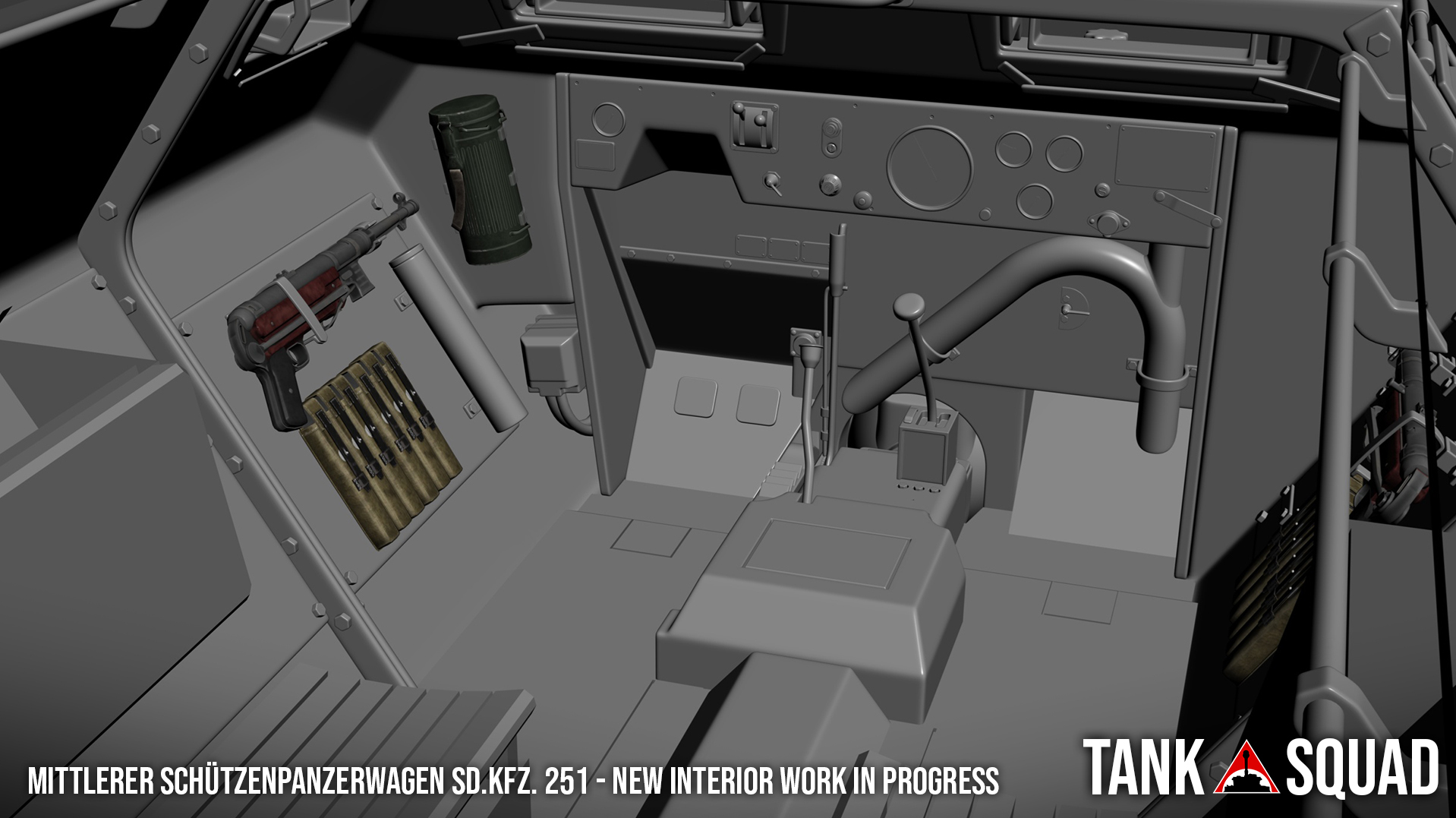
 Procedural missions
 Changes, fixes and other updates
 奖励
奖励 4
4
 Your Guide to Not Breaking the Tiger I


 苏军战役攻略
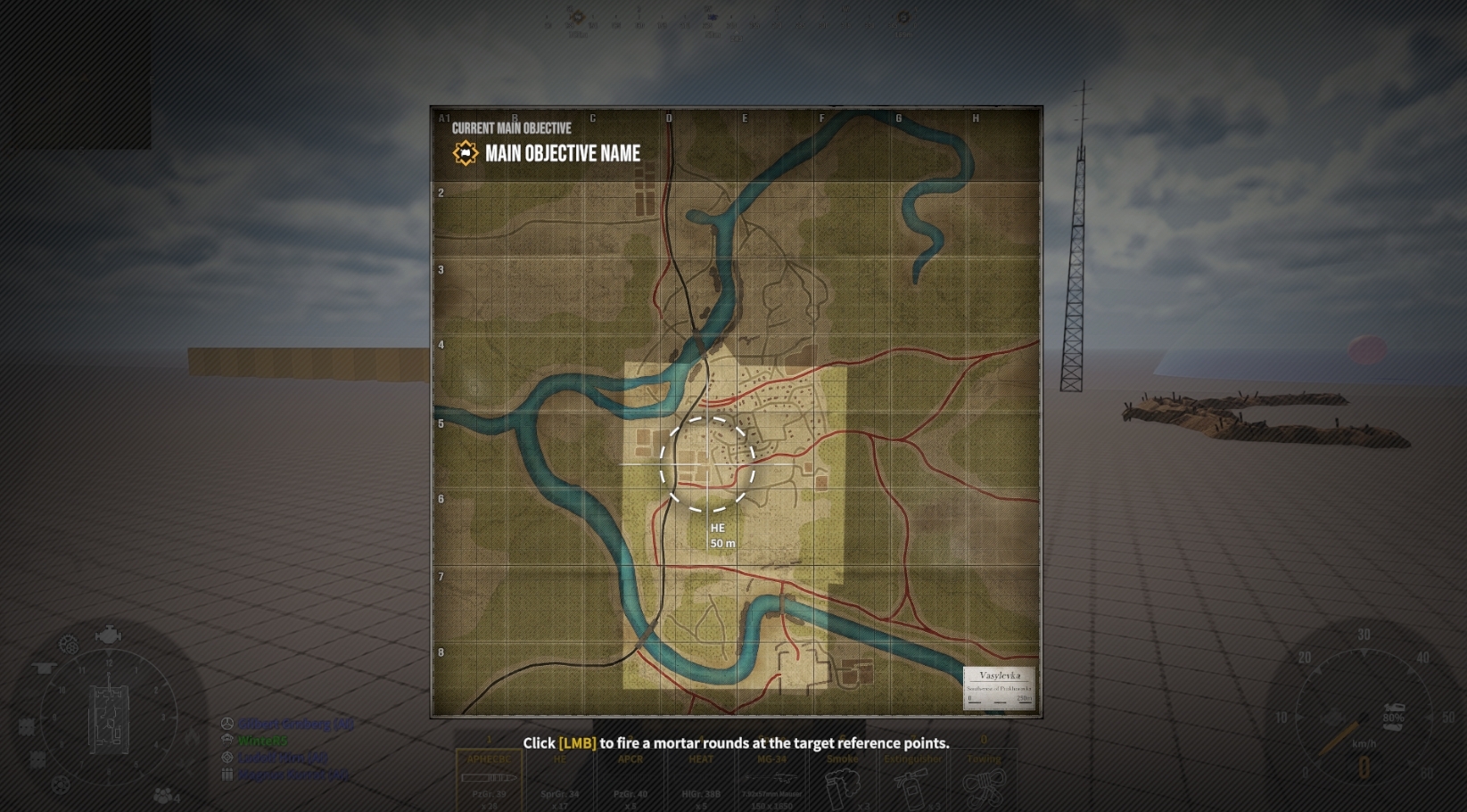
 In a nutshell, until now the game was based on scripted events that were triggered either when a player drove into the relevant trigger point or after a certain amount of time had elapsed. Now, on procedurally generated maps, where we don’t know who will arrive from where, the AICommander must correctly assess the situation and send the appropriate troops where they’re needed.
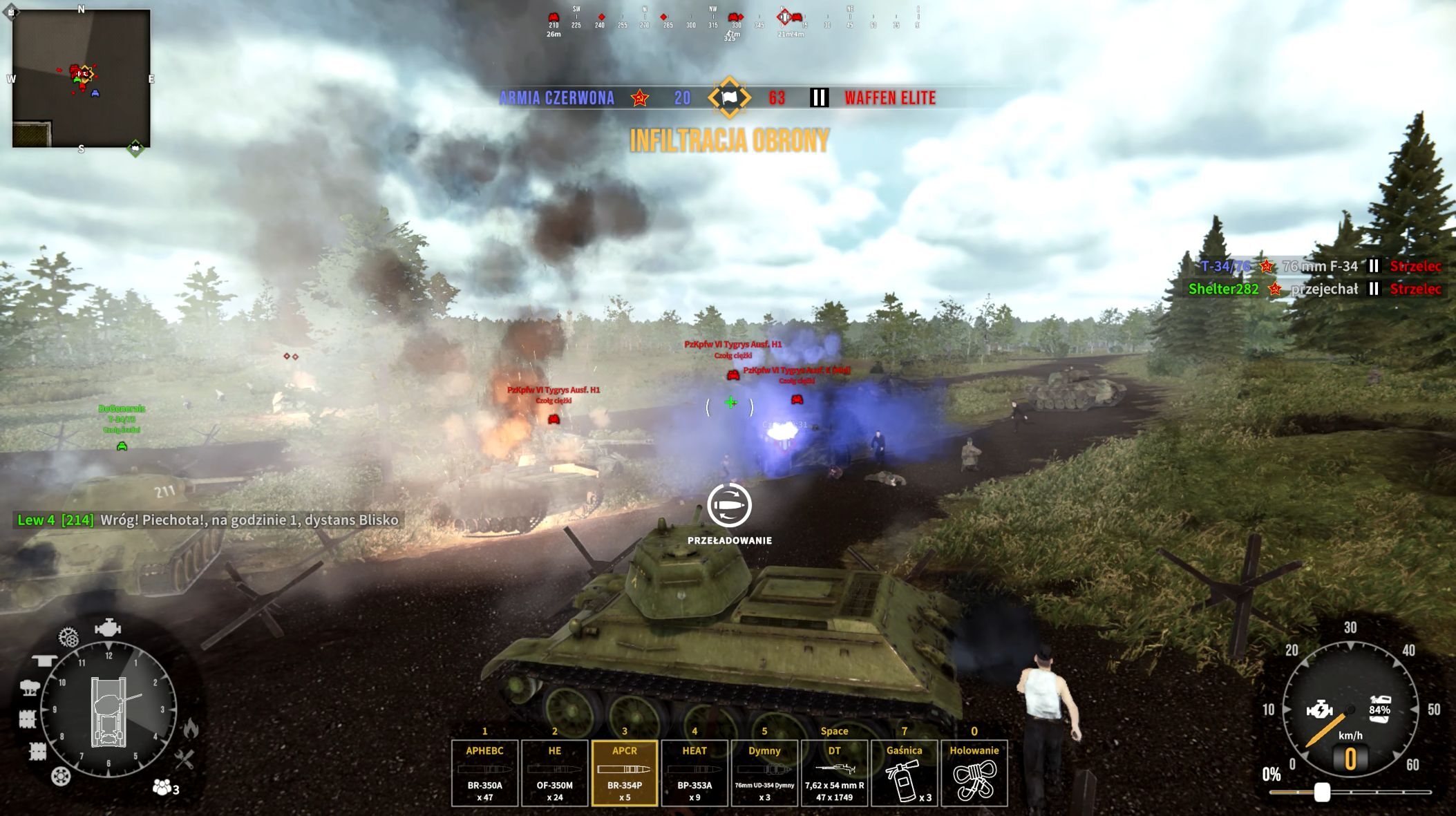
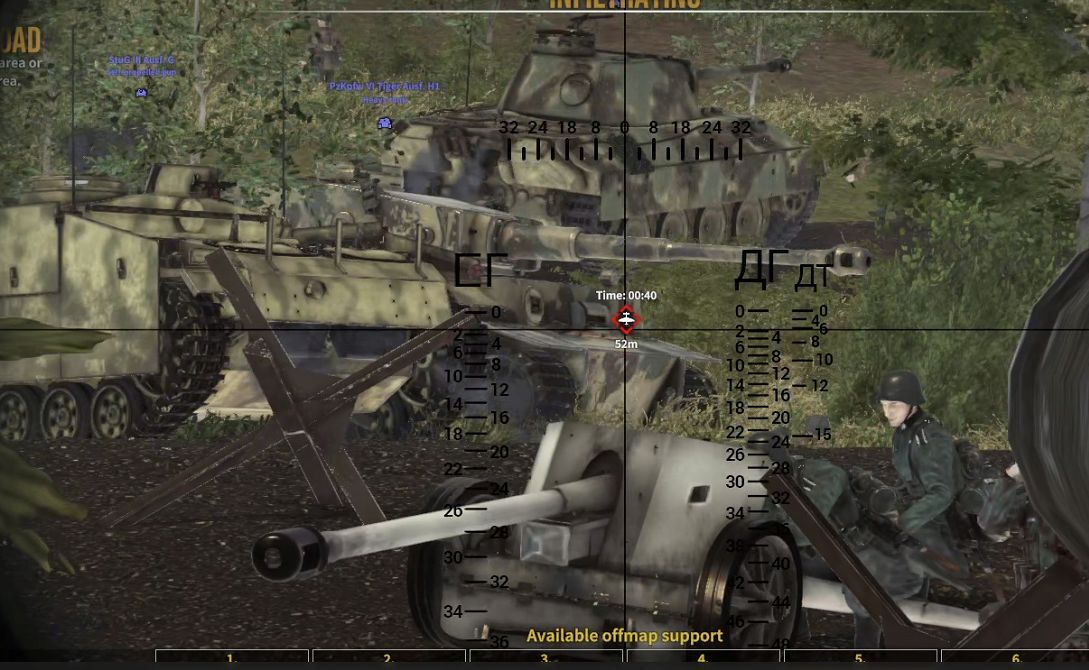 We still have a few important matters to sort out regarding procedural missions, such as the balance of which platoons spawn and at what rate the enemy AICommander spawns them. Playing as the Red Army, without the SU-152, we were left with only the KV-1 and T-34 to fight the Tigers and Panthers defending the objective:
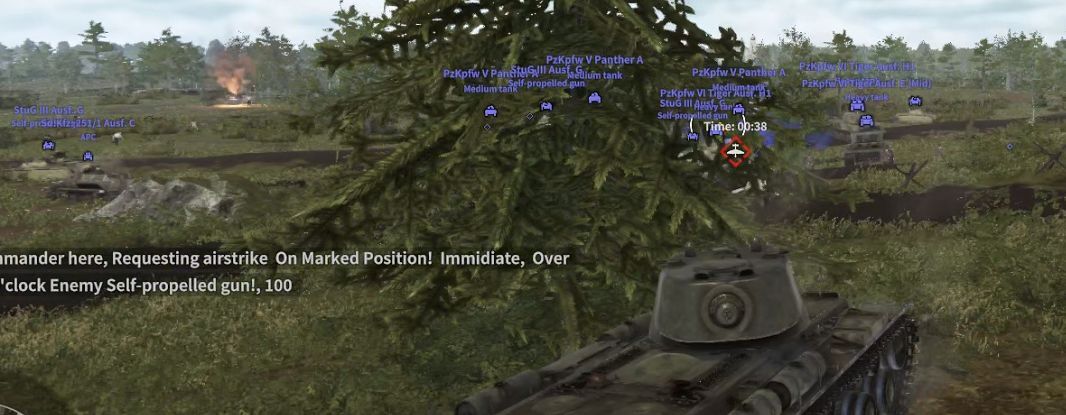 Another example of what still needs improving: how should the AICommander determine where to deploy his units, in what formation and at what intervals, and why – depending on whether he is attacking or defending.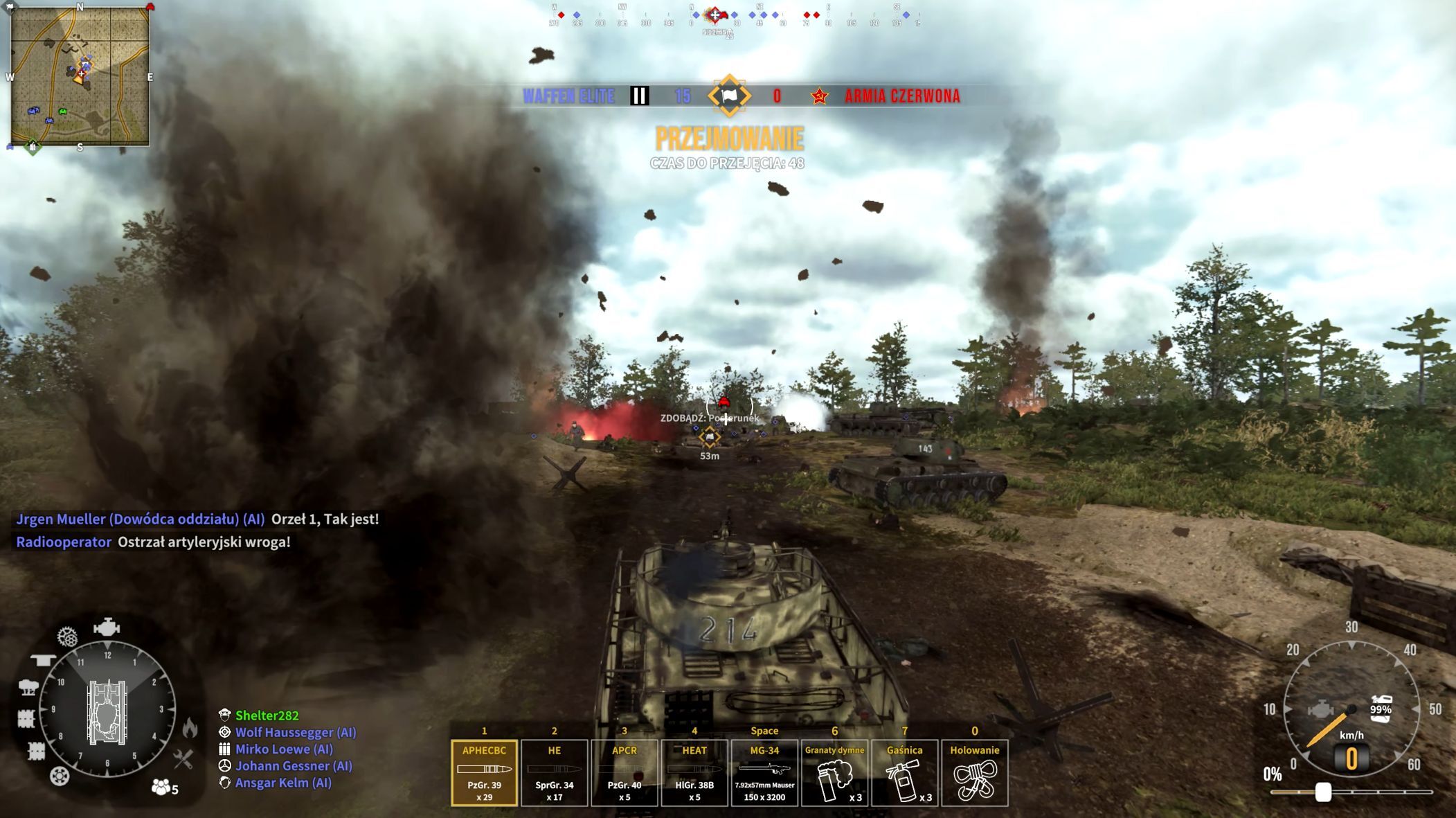
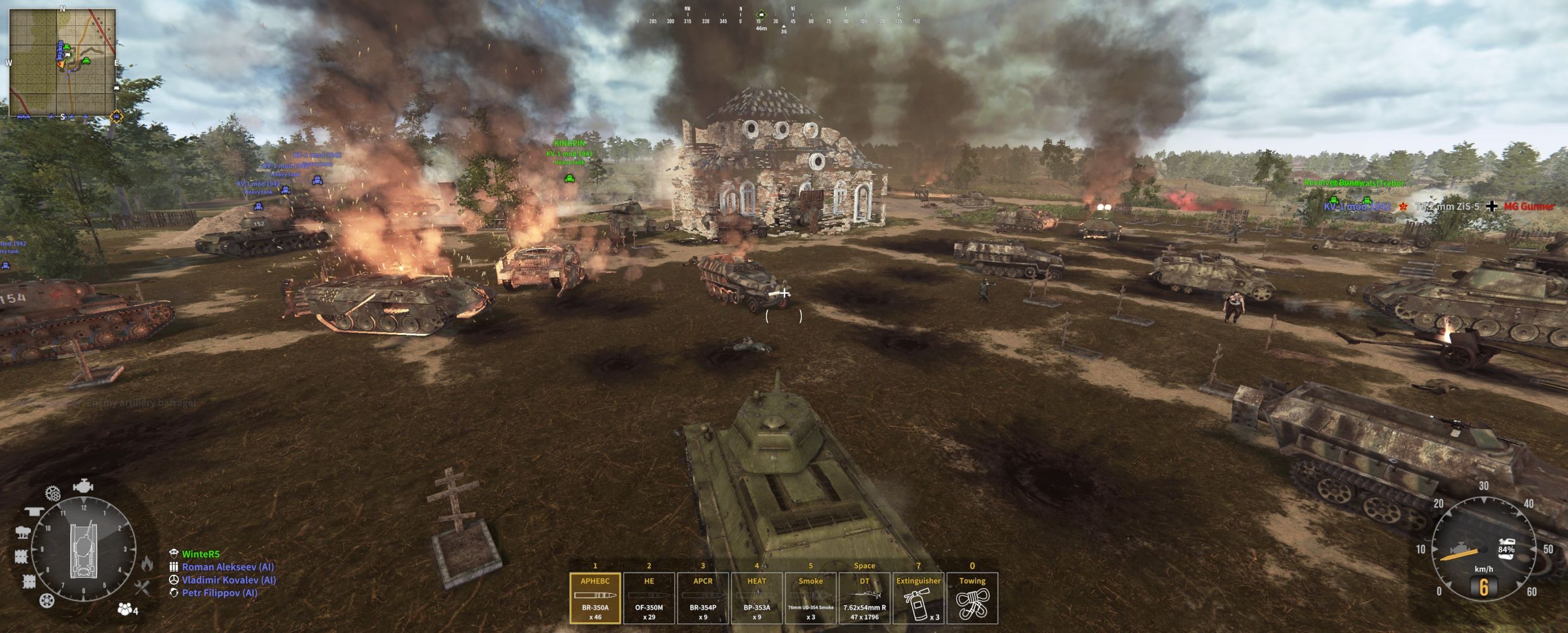
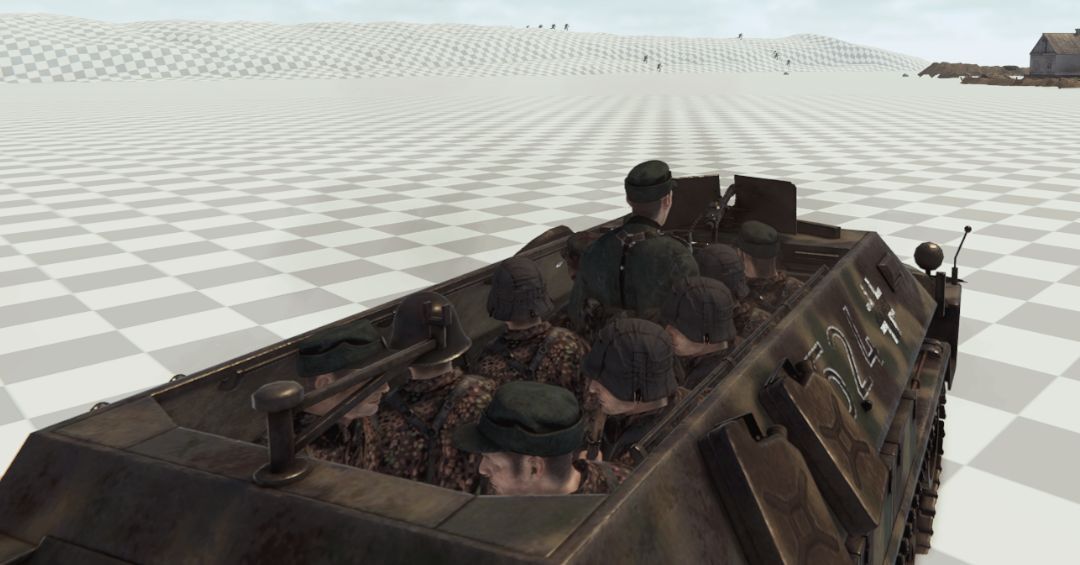 Ultimately, we’ll allow players to use transporters and drive them themselves, but let’s be honest – in 1943, these vehicles had far too little armour to engage in any kind of combat against any tank. In our game, only small arms will be unable to penetrate this vehicle’s armour.
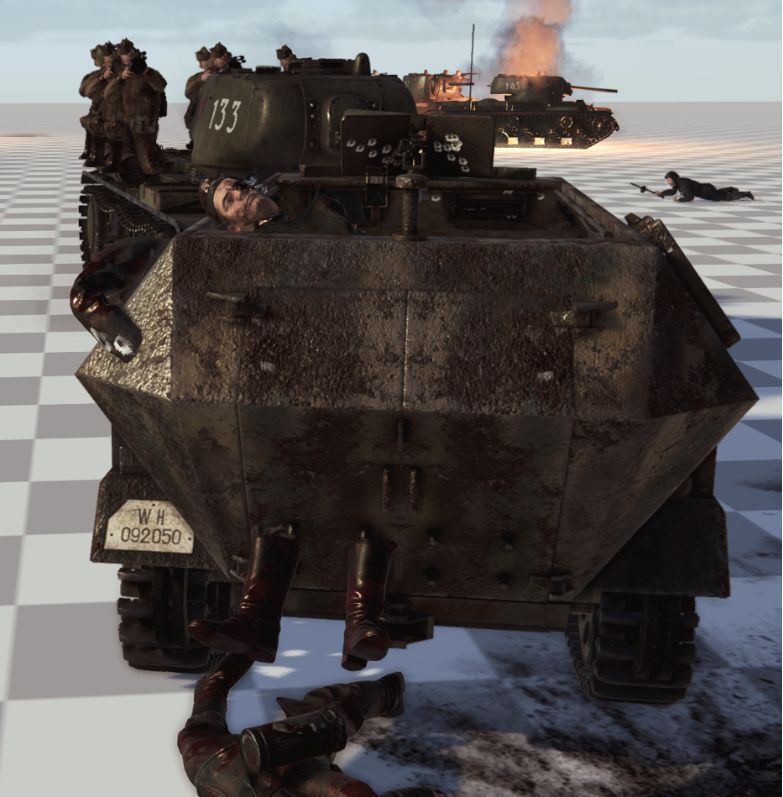 On large maps, we want to present players with missions where they mainly have heavy tanks at their disposal and the objective is to clear out fortifications, including enemy infantry. The enemy infantry must then take far greater care than at present not to expose themselves from their trenches; they should not counter-attack at every opportunity, but rather prove to be a tough nut to crack.
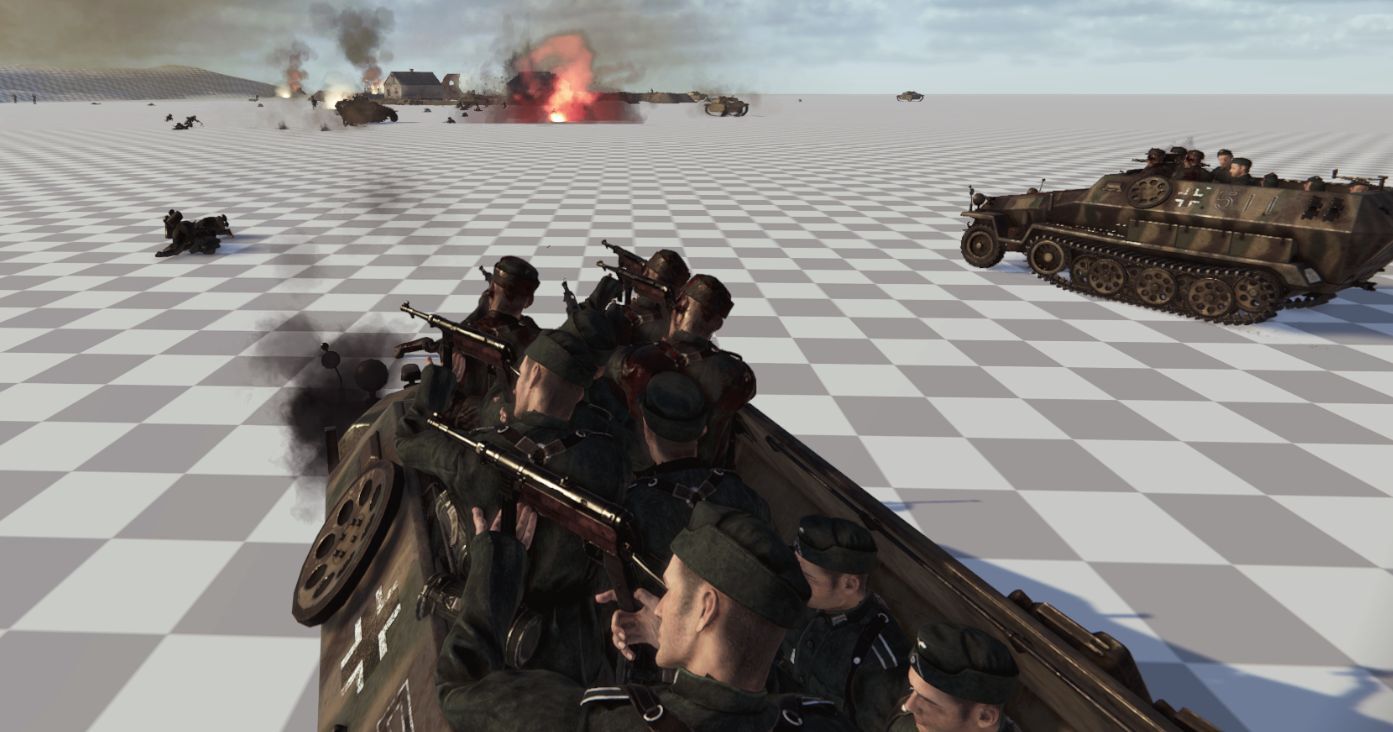 This is precisely when mechanised infantry should come to our aid – provided, of course, that we first clear the front line of anti-tank guns, heavy machine guns or enemy tanks. It’s quite a simple way to implement a rock-paper-scissors system and demonstrate that we’re striving to faithfully recreate the combined arms in our game (tanks, artillery and infantry).
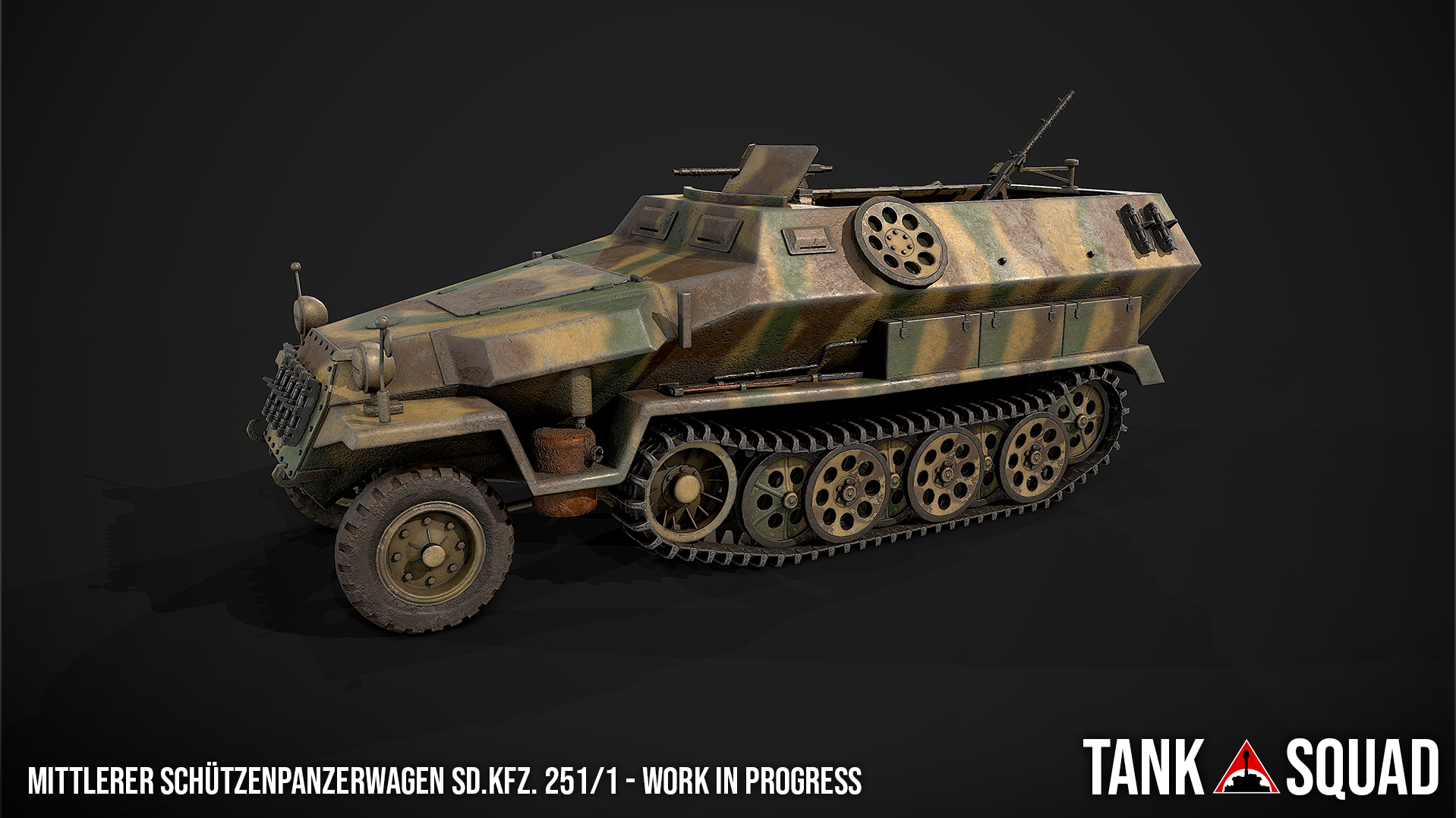 Sd. Kfz. 251/2 Ausf. C (81 mm mortar)
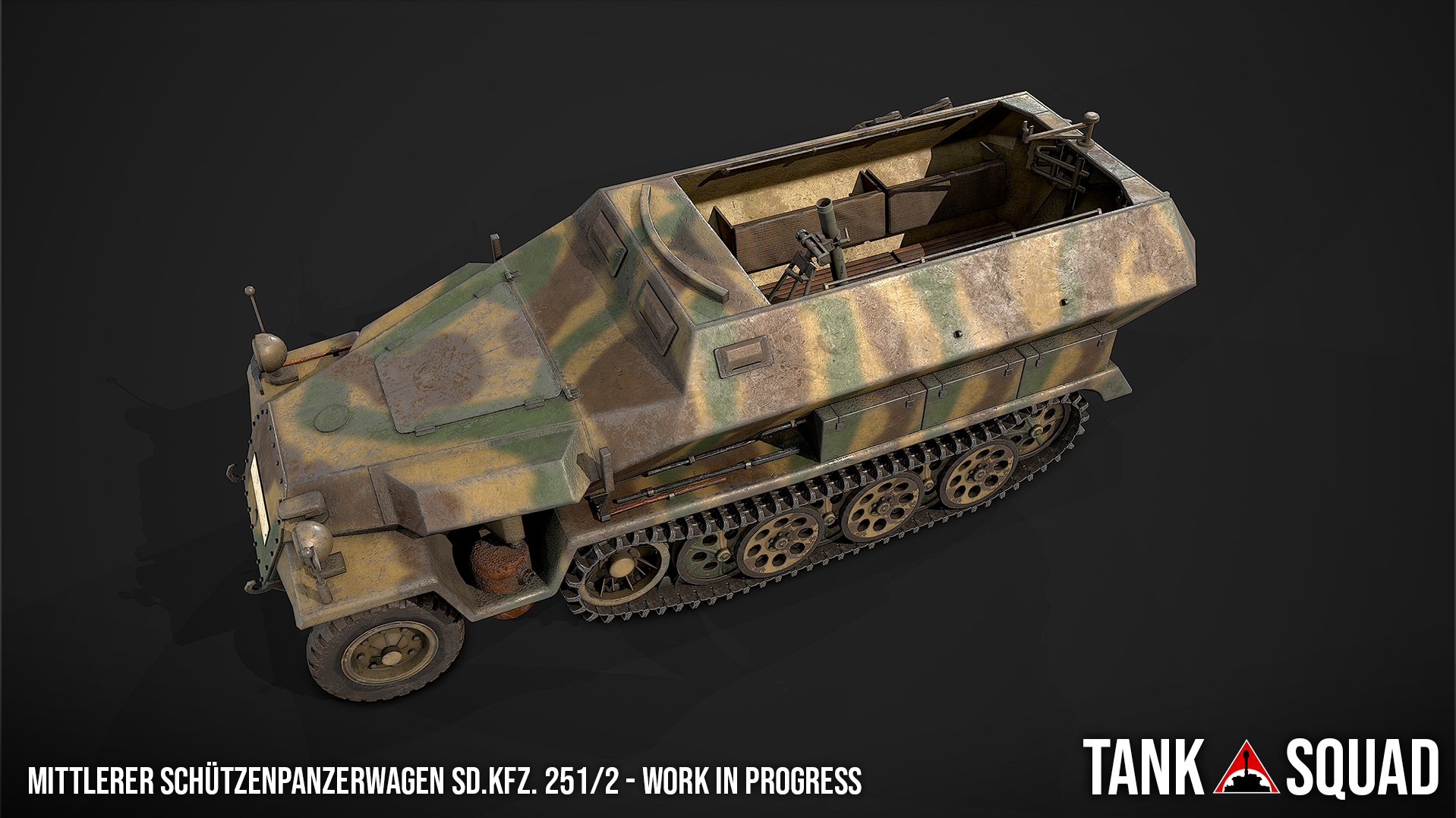 In preparation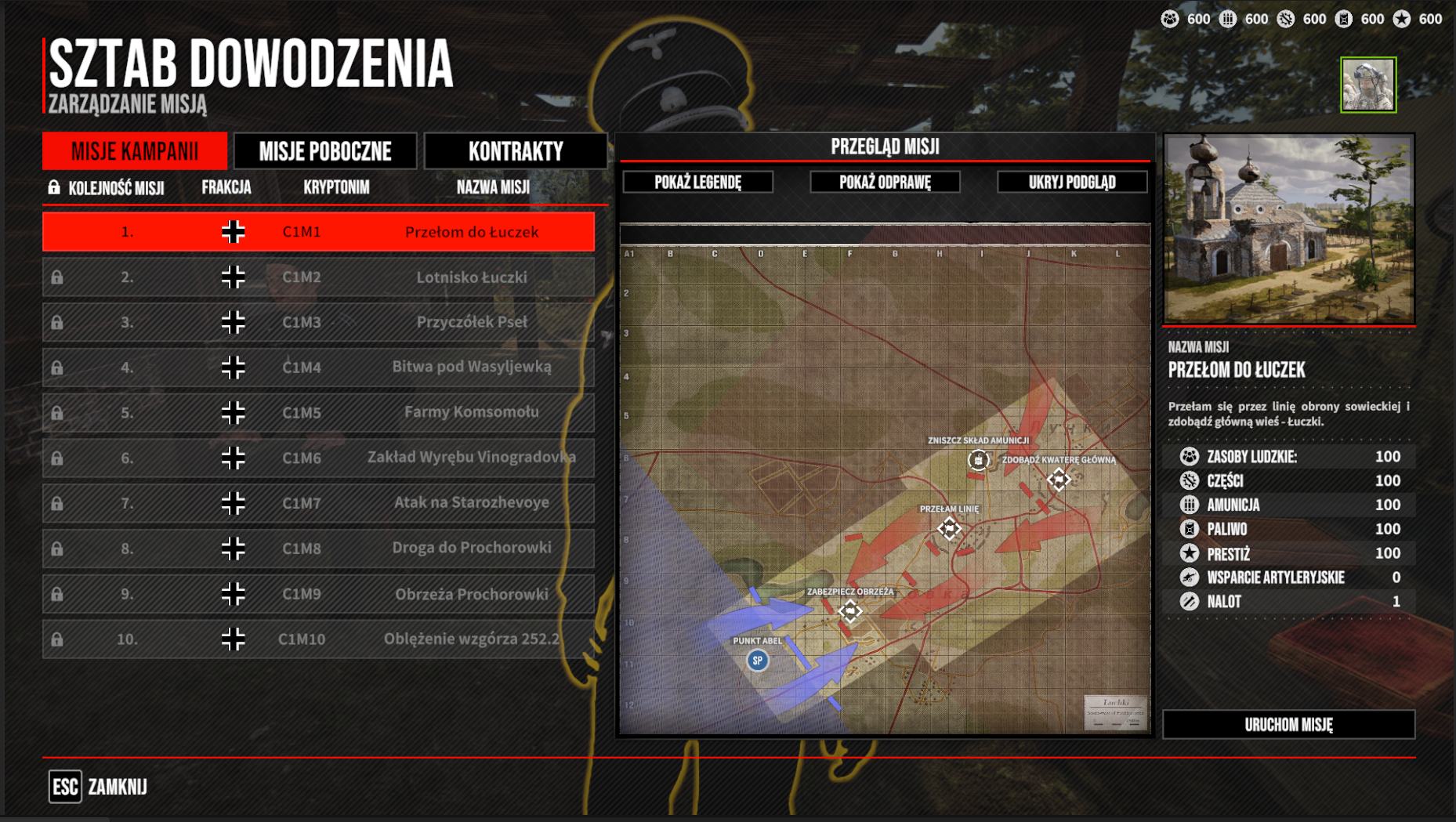





 载入中
载入中

