



安装 Steam
登录
|
语言
繁體中文(繁体中文)
日本語(日语)
한국어(韩语)
ไทย(泰语)
български(保加利亚语)
Čeština(捷克语)
Dansk(丹麦语)
Deutsch(德语)
English(英语)
Español-España(西班牙语 - 西班牙)
Español - Latinoamérica(西班牙语 - 拉丁美洲)
Ελληνικά(希腊语)
Français(法语)
Italiano(意大利语)
Bahasa Indonesia(印度尼西亚语)
Magyar(匈牙利语)
Nederlands(荷兰语)
Norsk(挪威语)
Polski(波兰语)
Português(葡萄牙语 - 葡萄牙)
Português-Brasil(葡萄牙语 - 巴西)
Română(罗马尼亚语)
Русский(俄语)
Suomi(芬兰语)
Svenska(瑞典语)
Türkçe(土耳其语)
Tiếng Việt(越南语)
Українська(乌克兰语)
报告翻译问题












 奖励
奖励



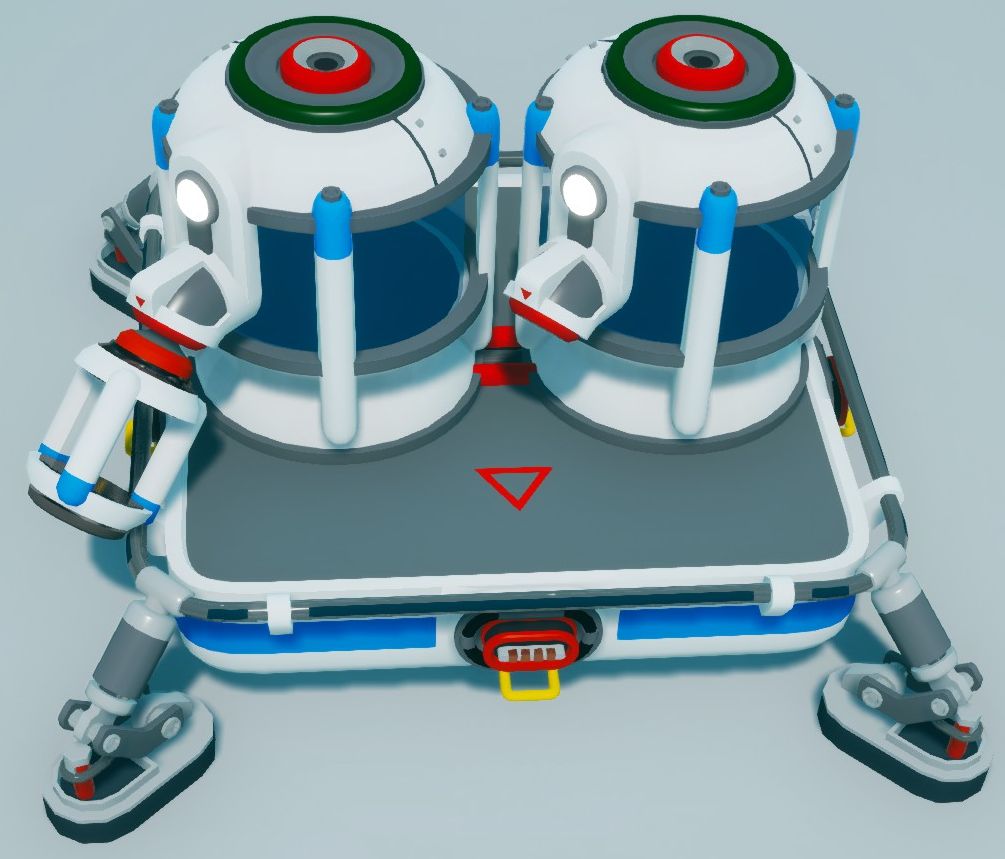
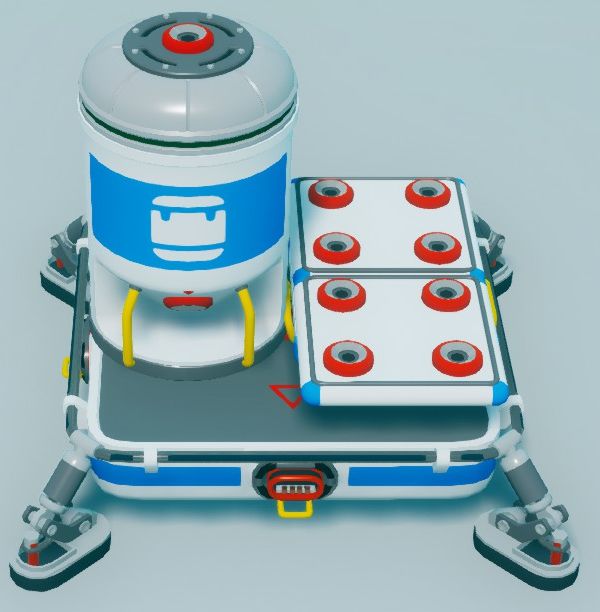
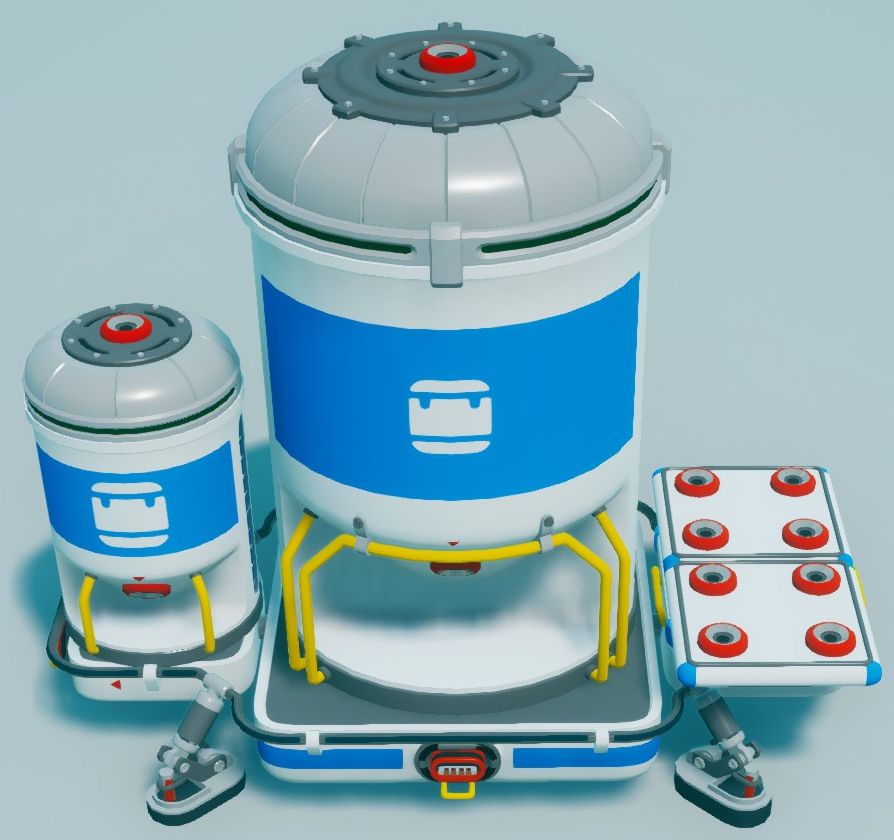
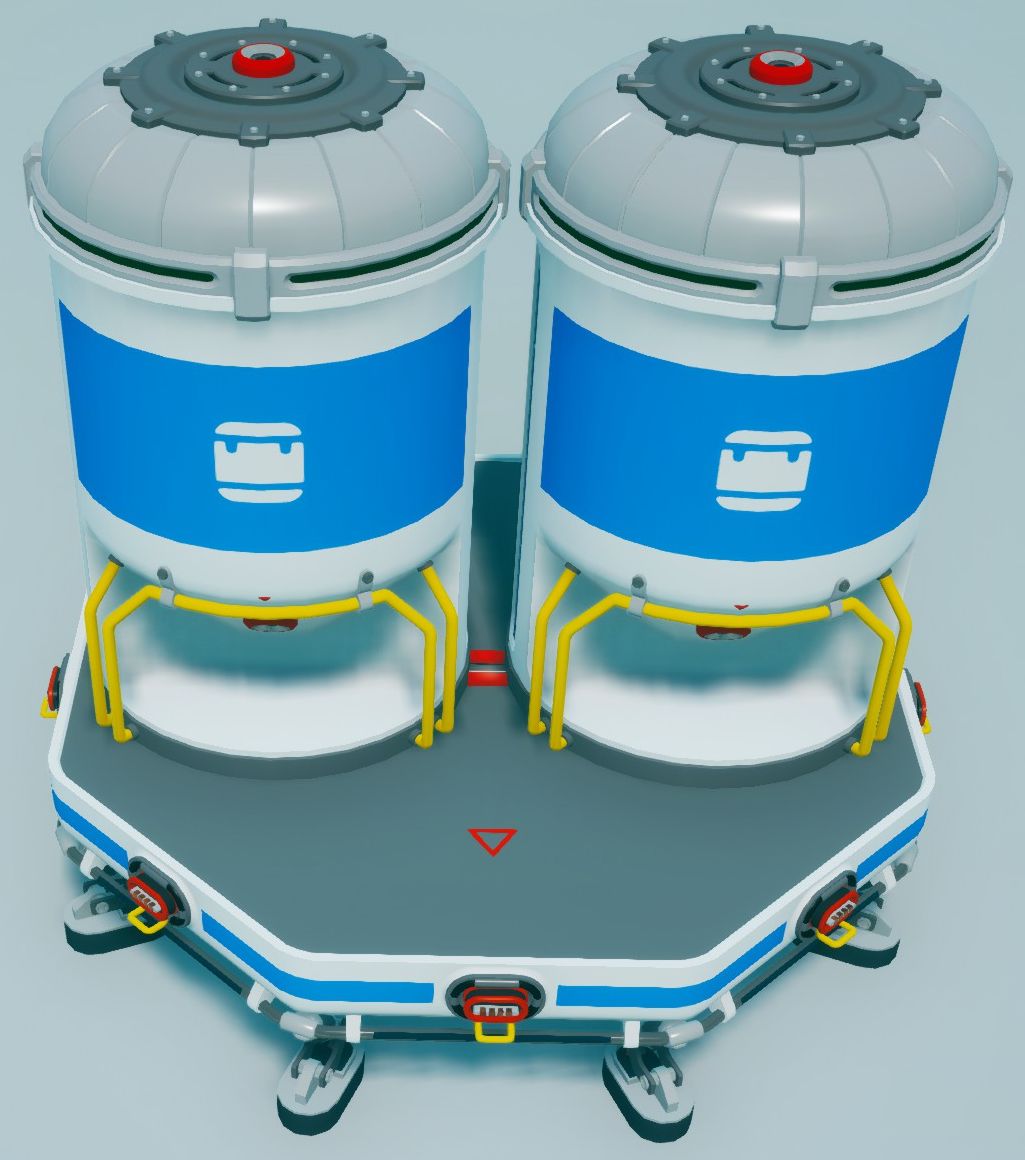
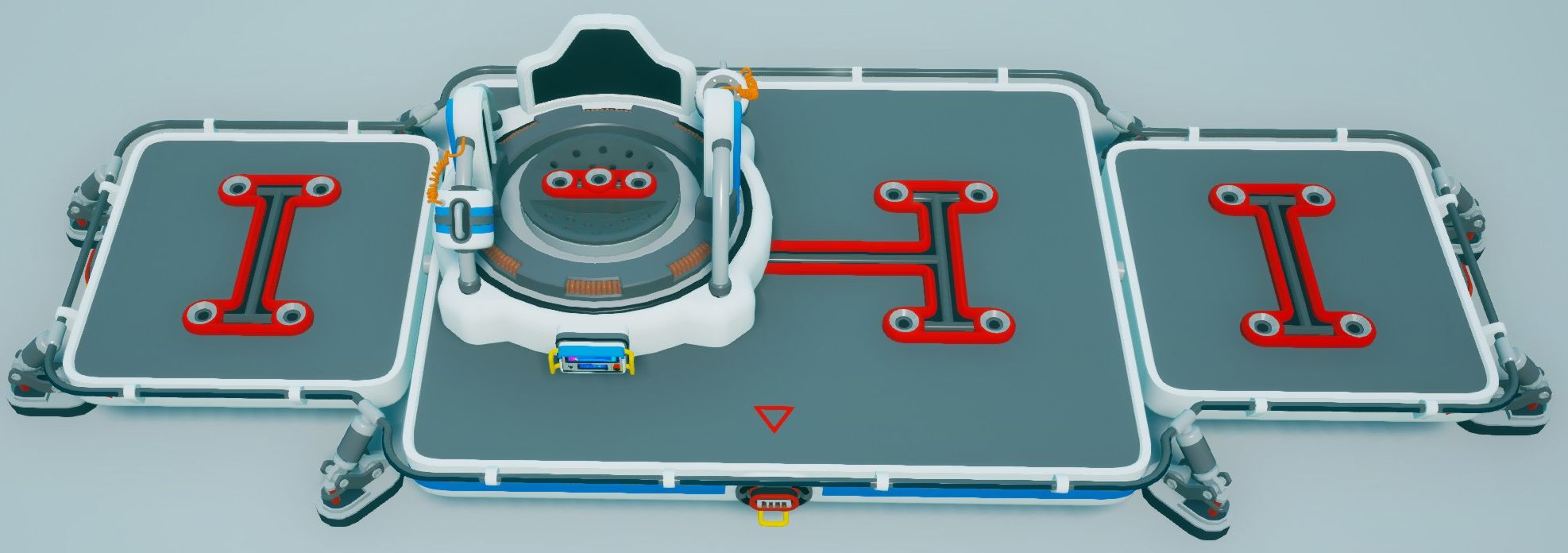
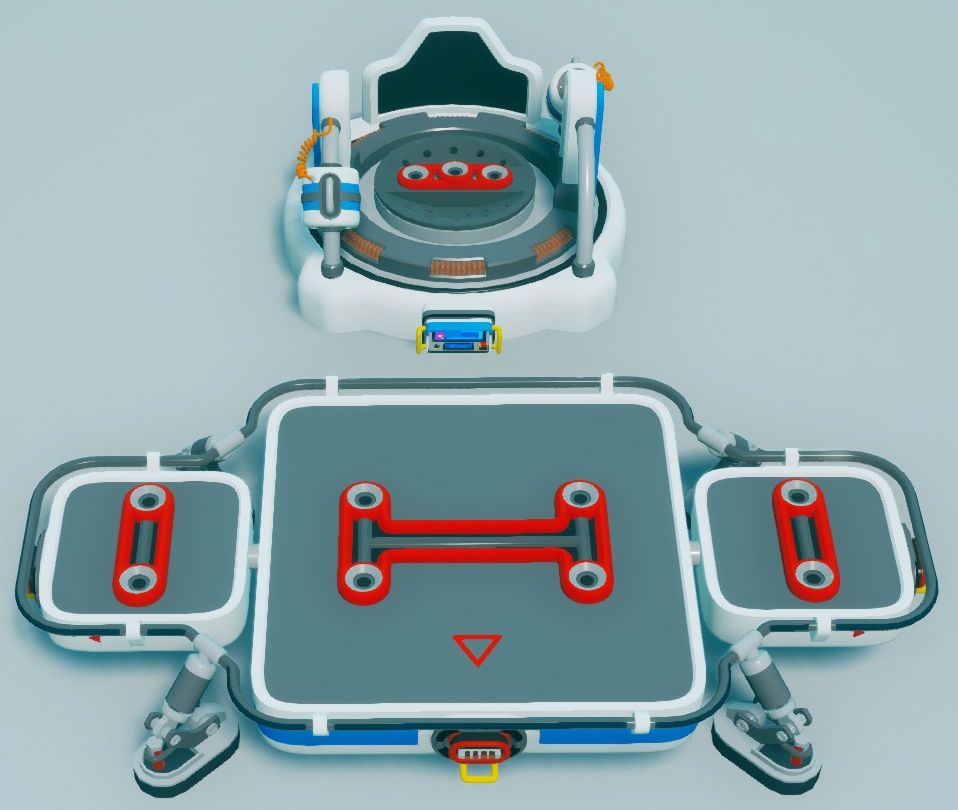
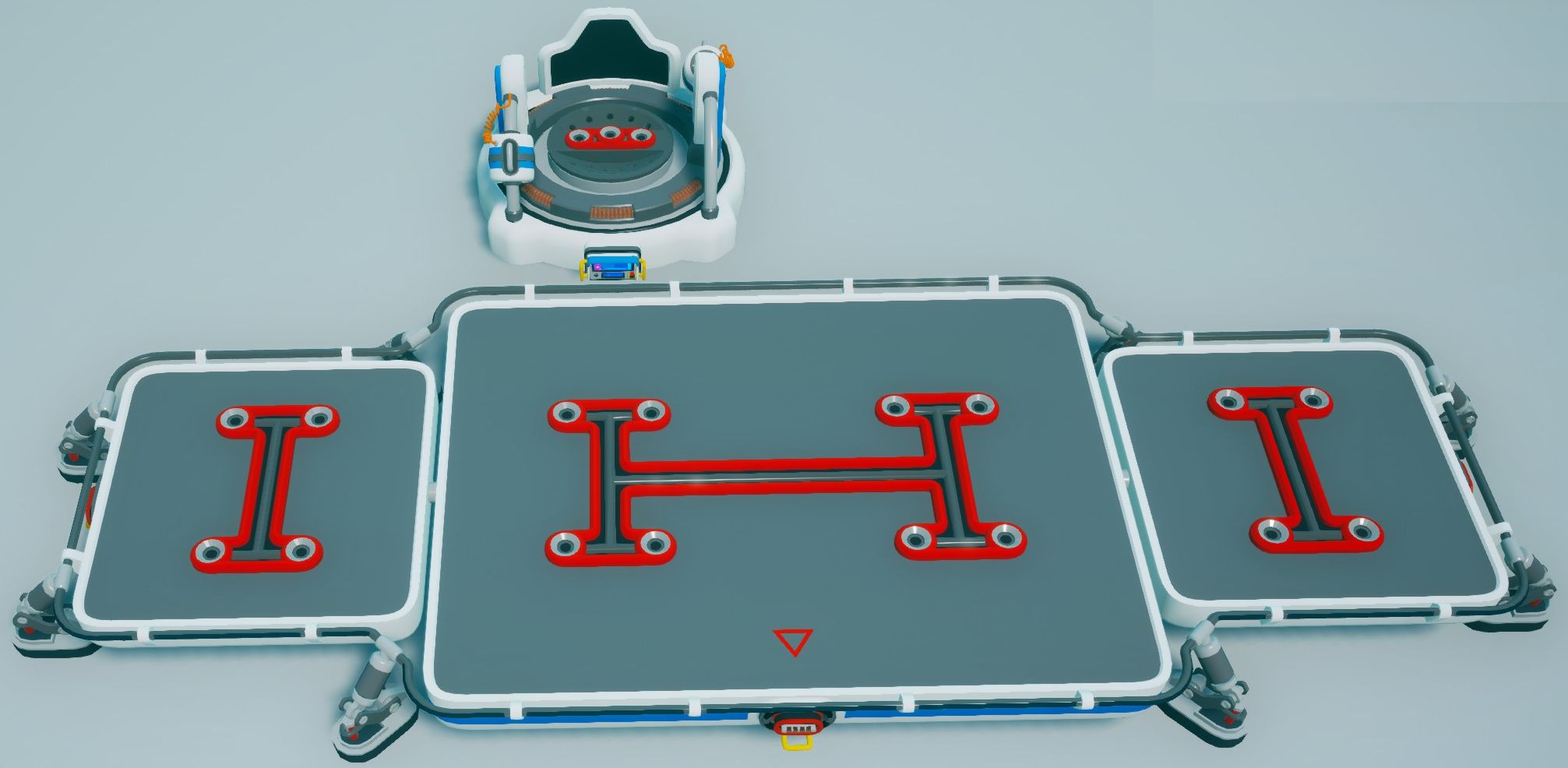
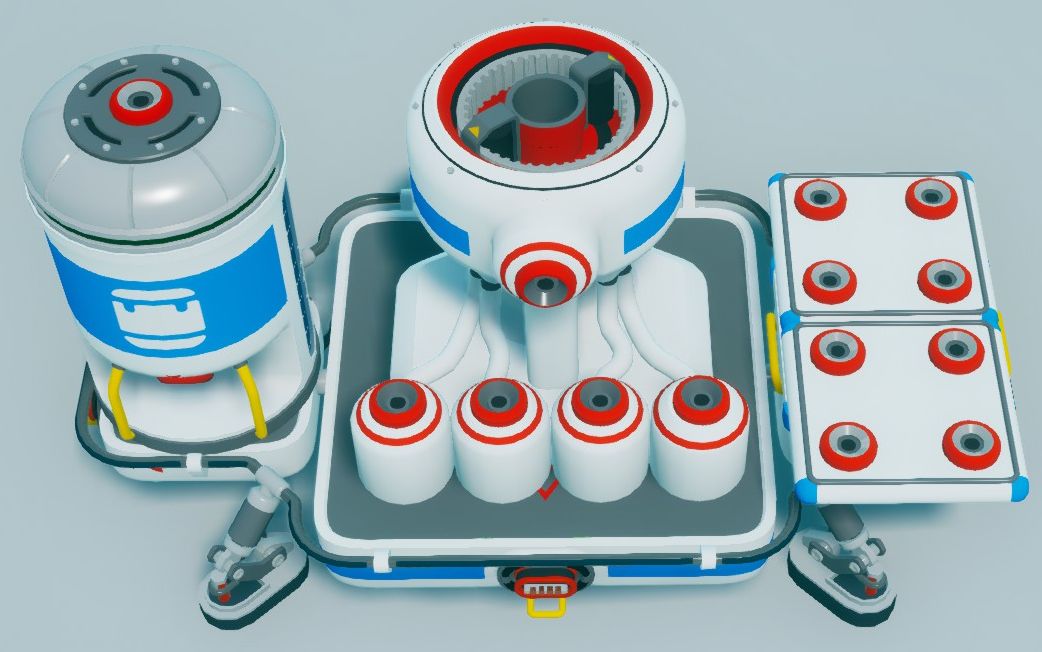
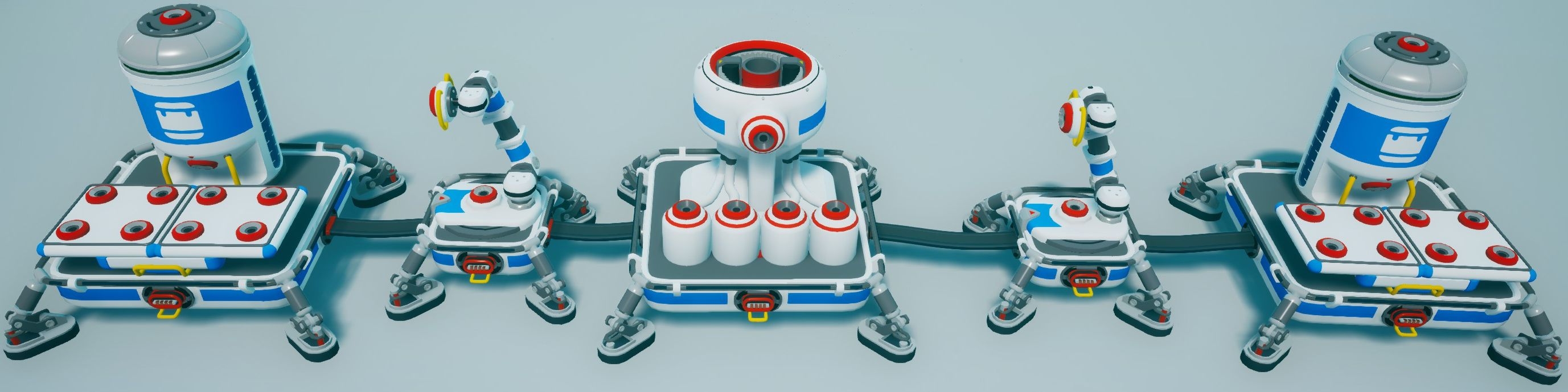
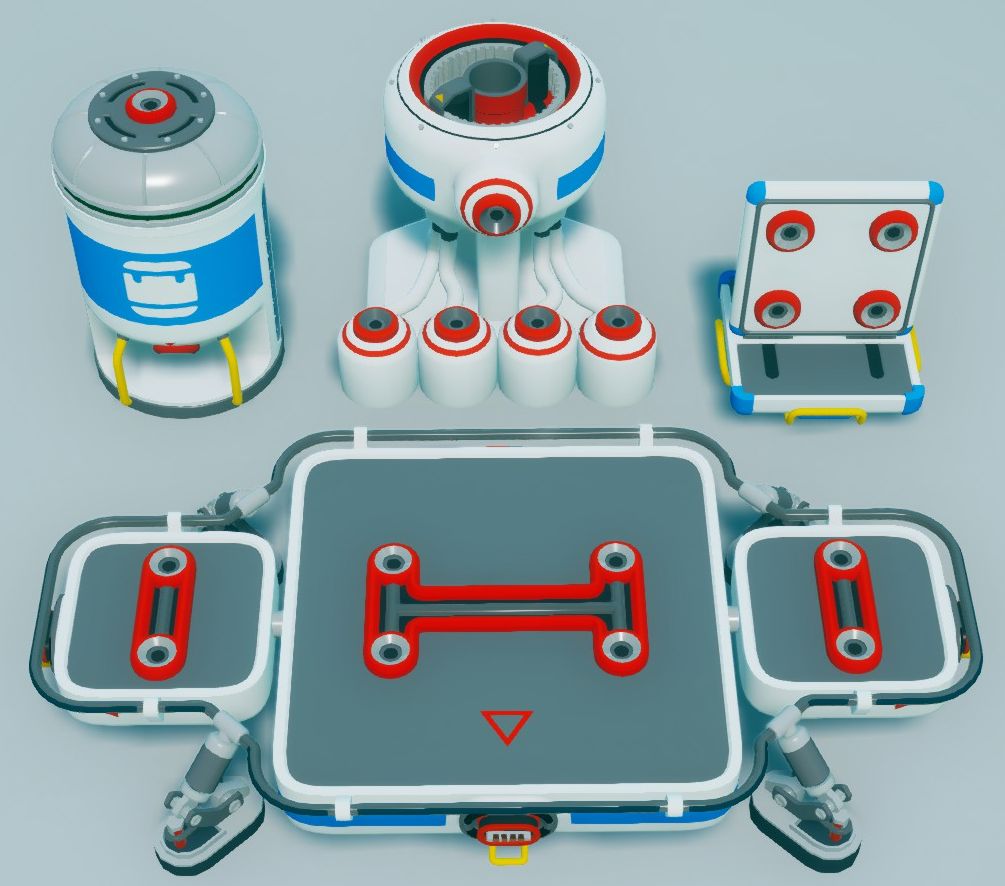
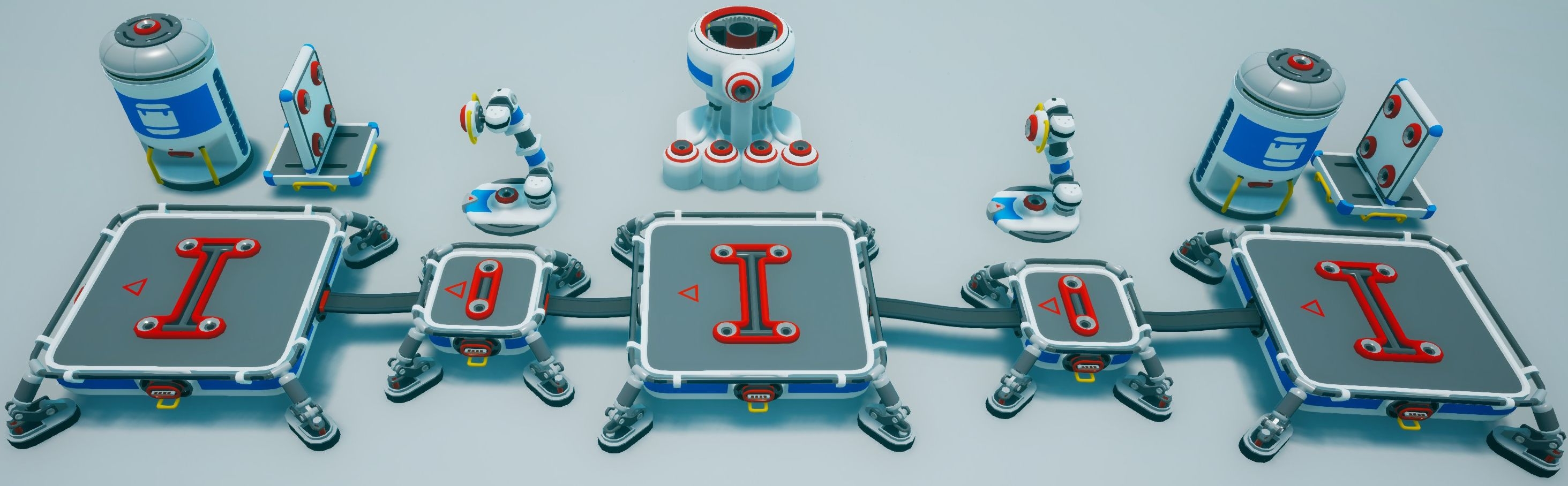
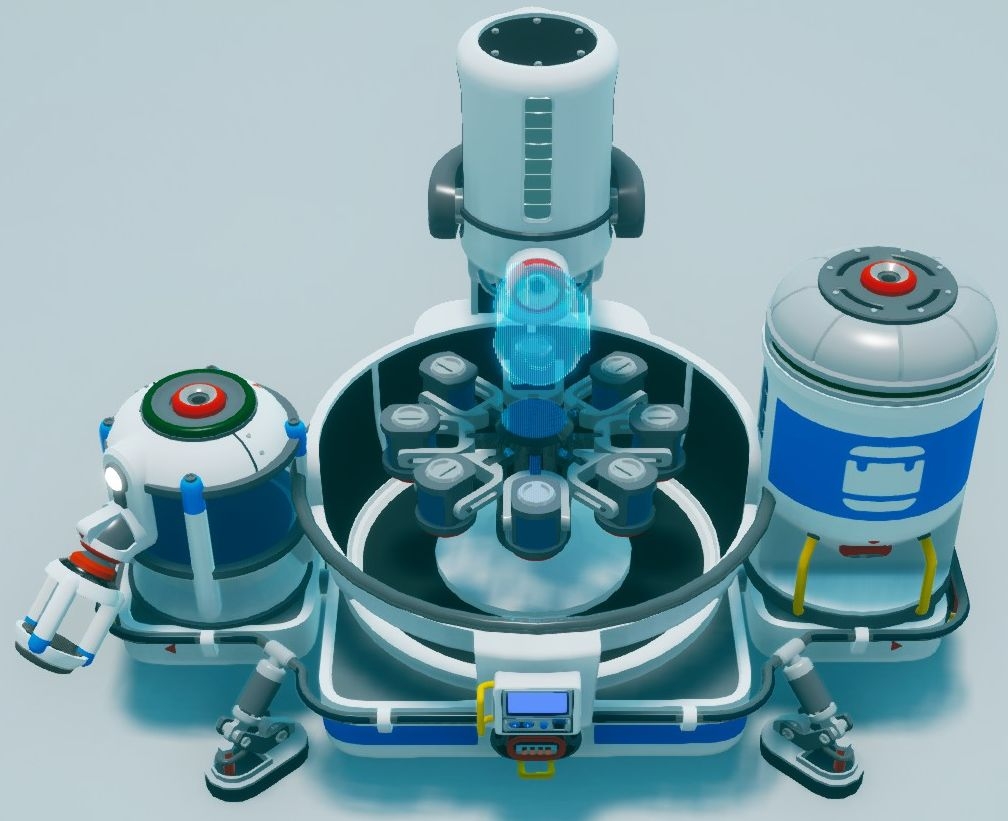
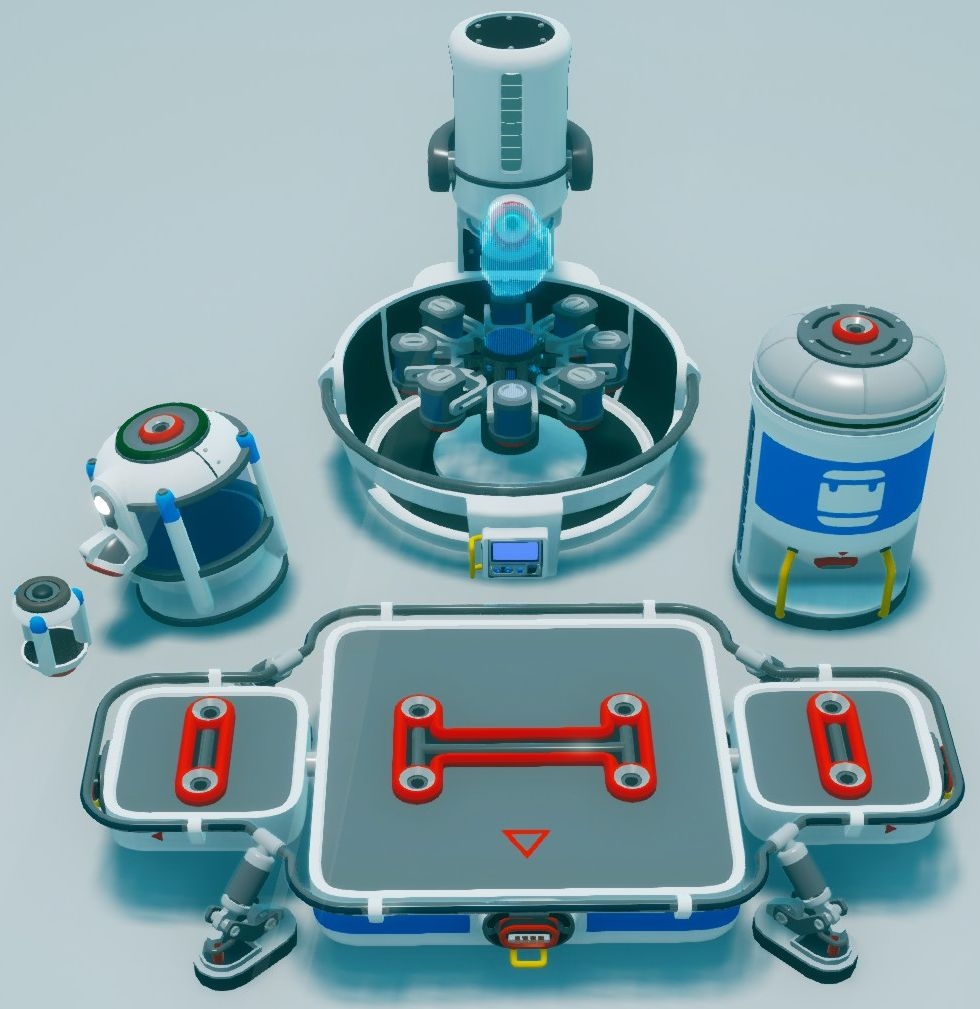
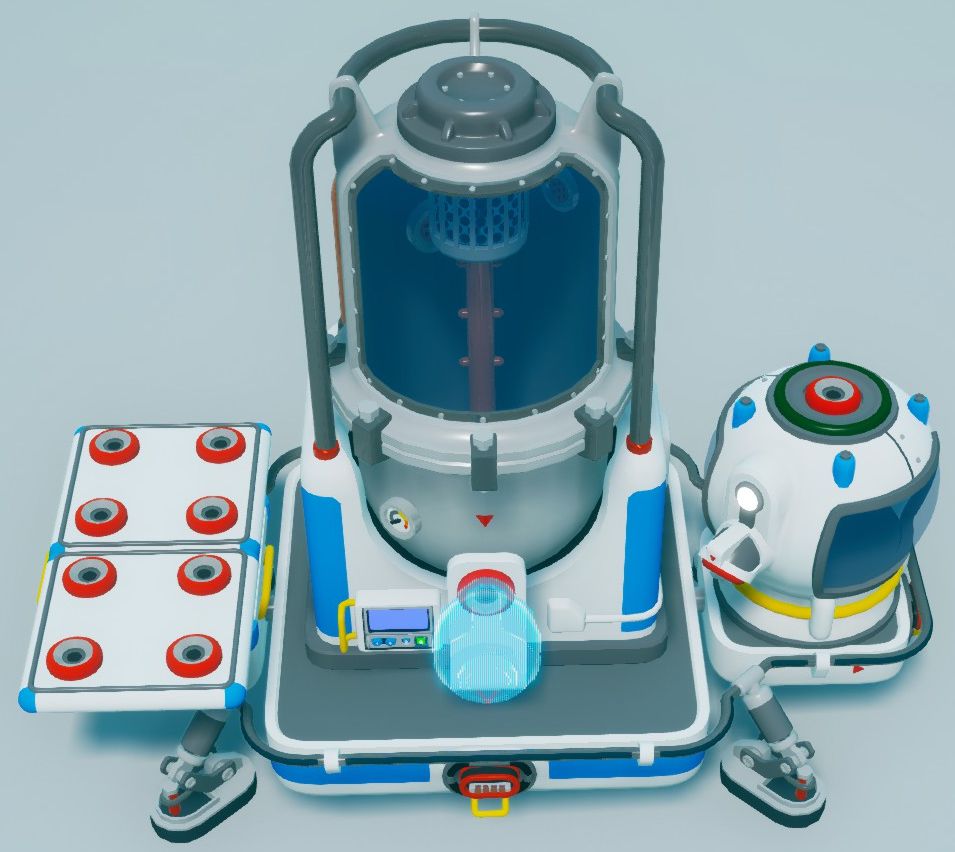
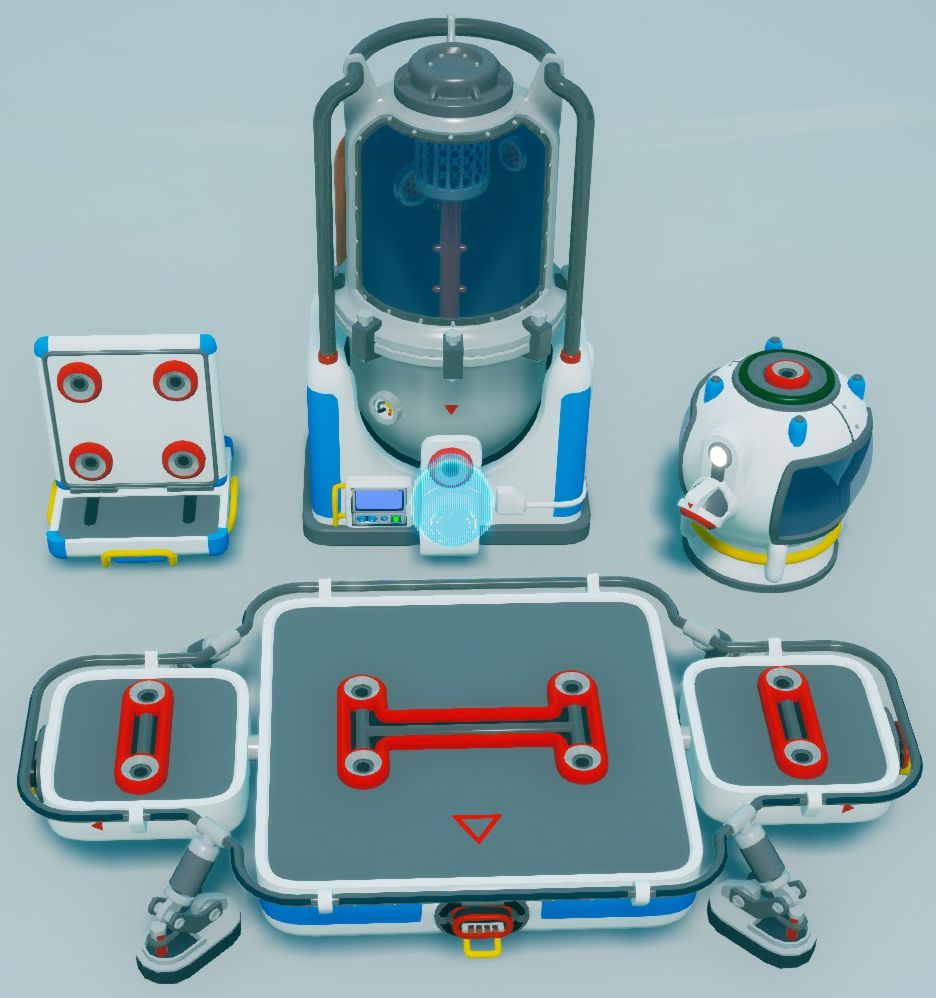
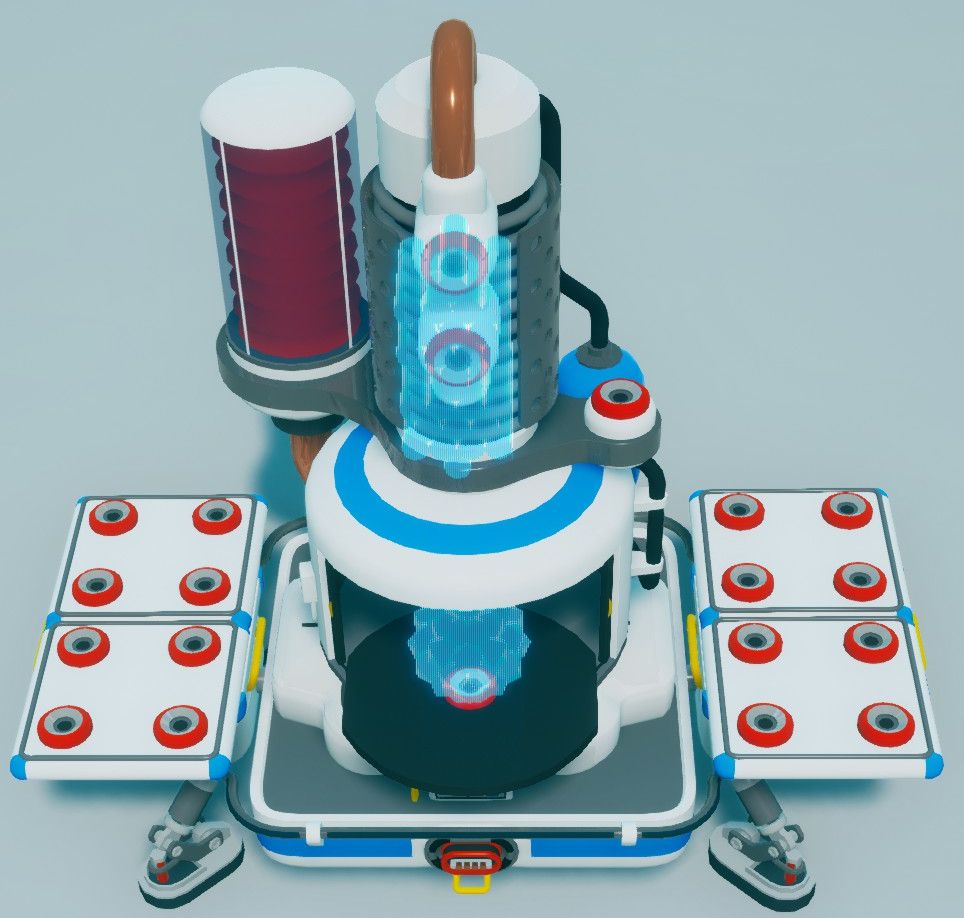
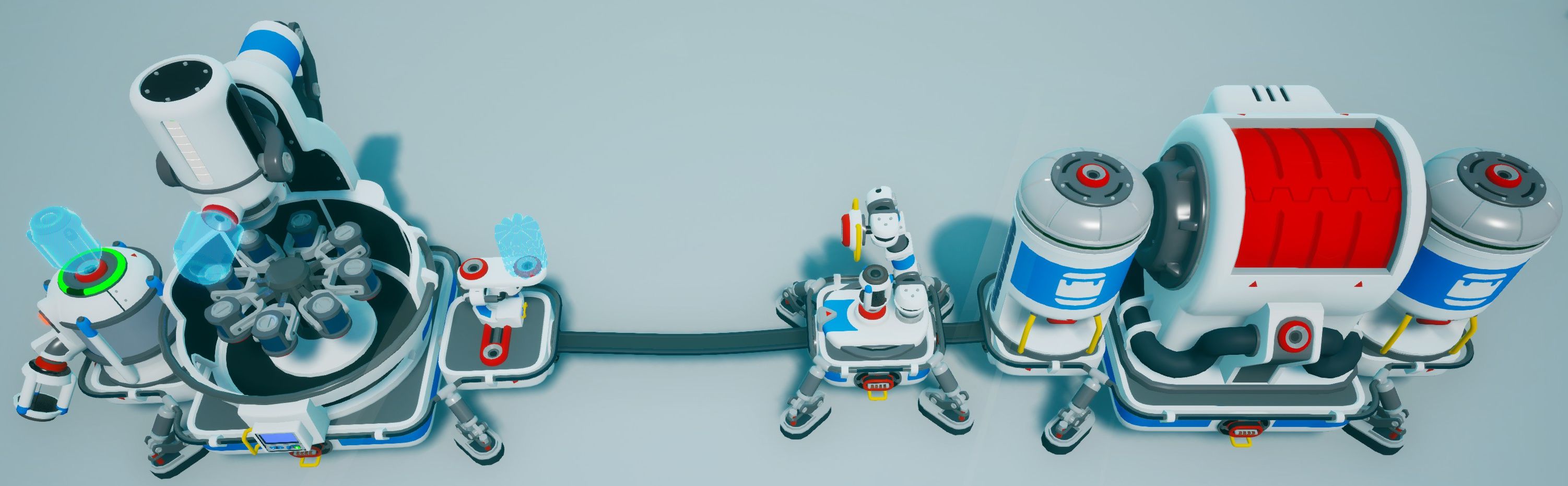
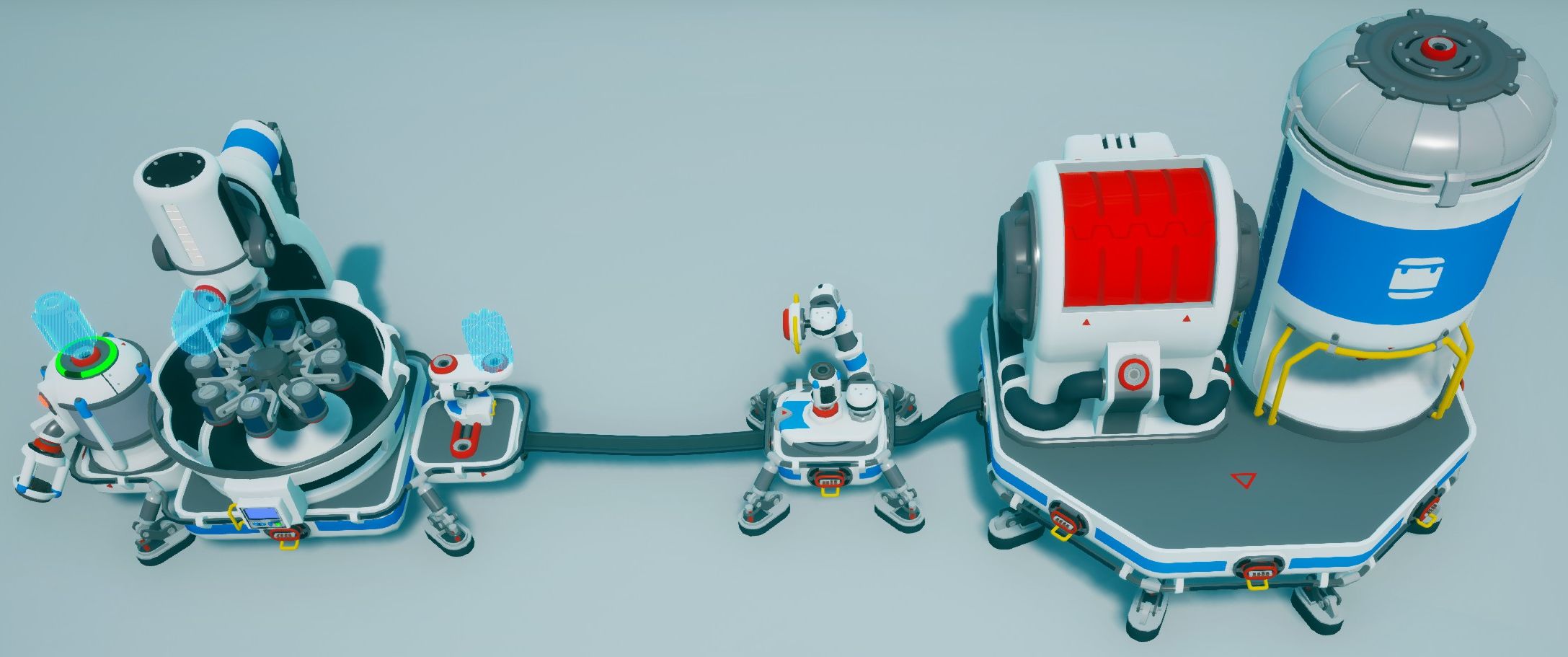
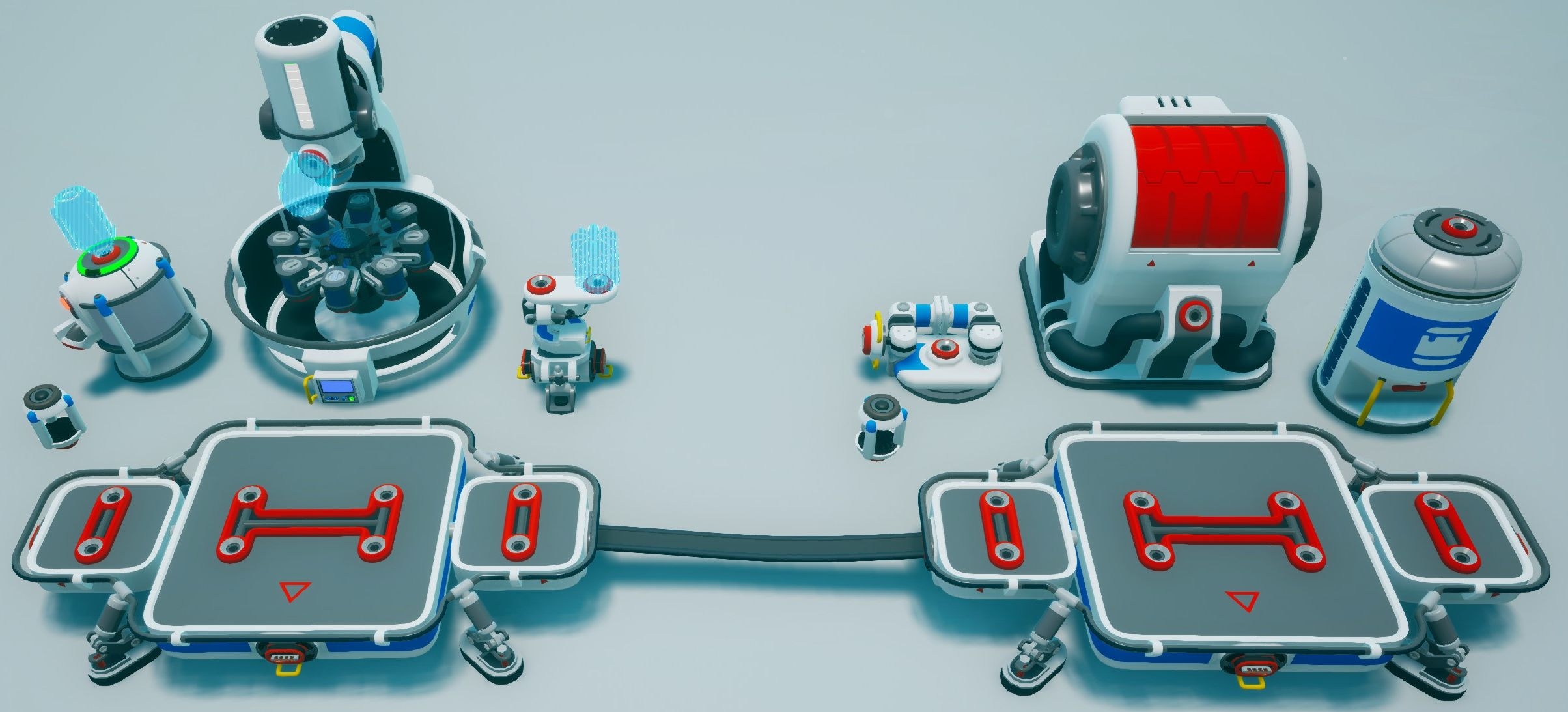
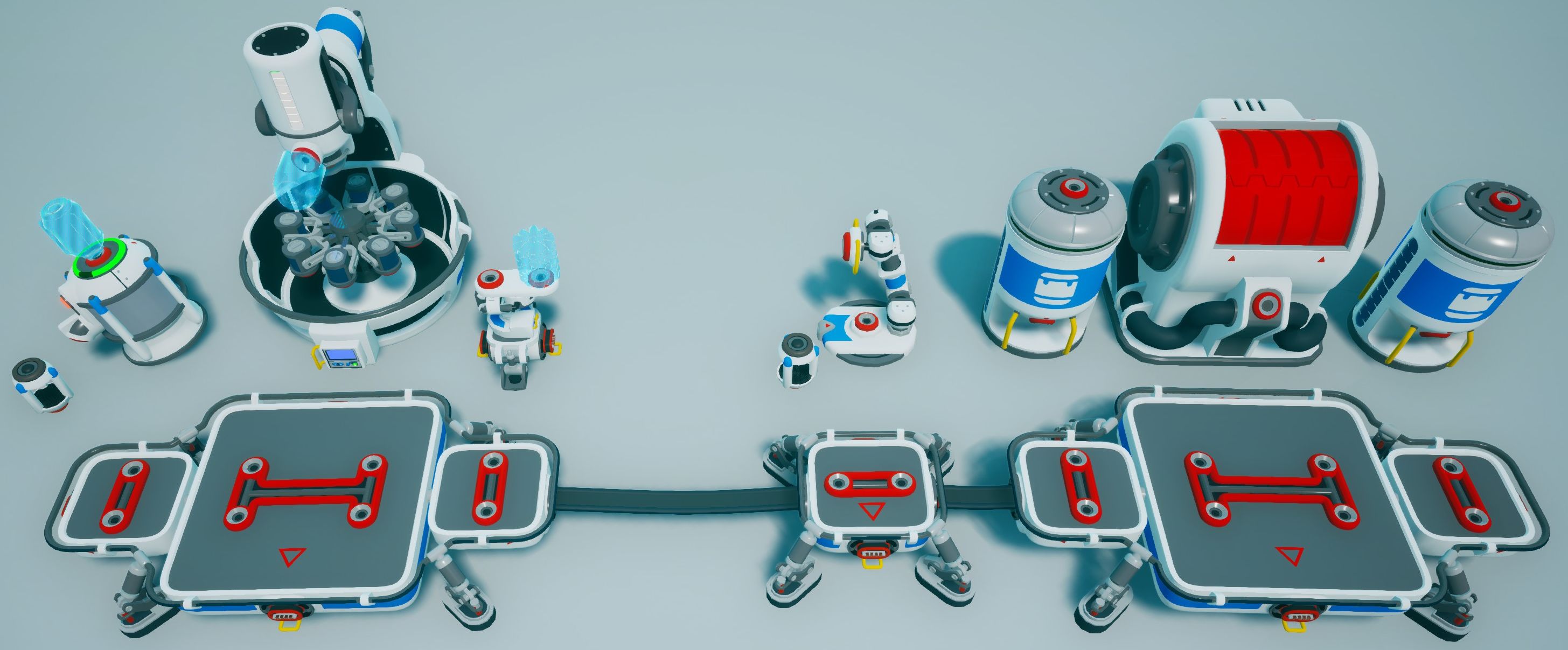
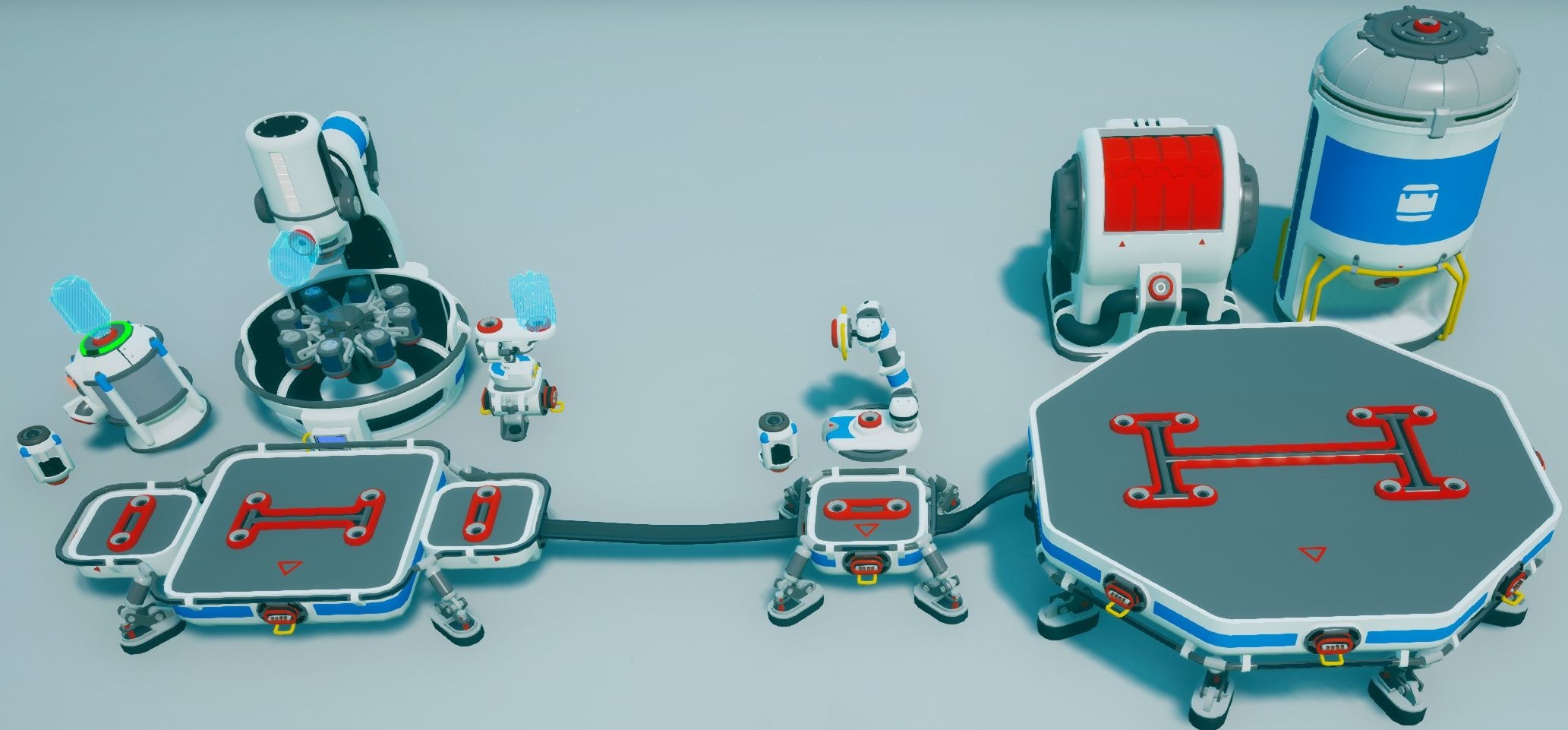
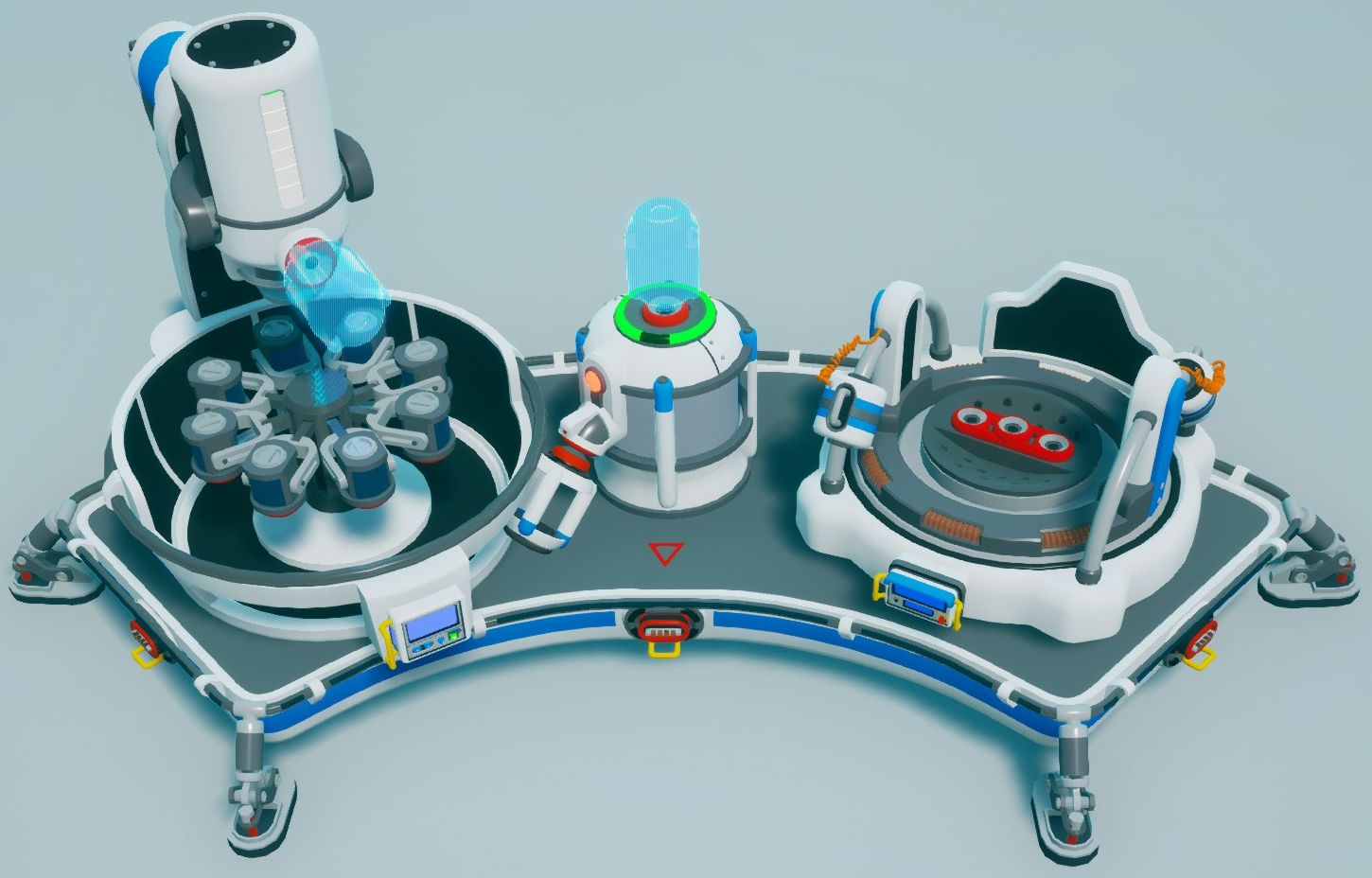
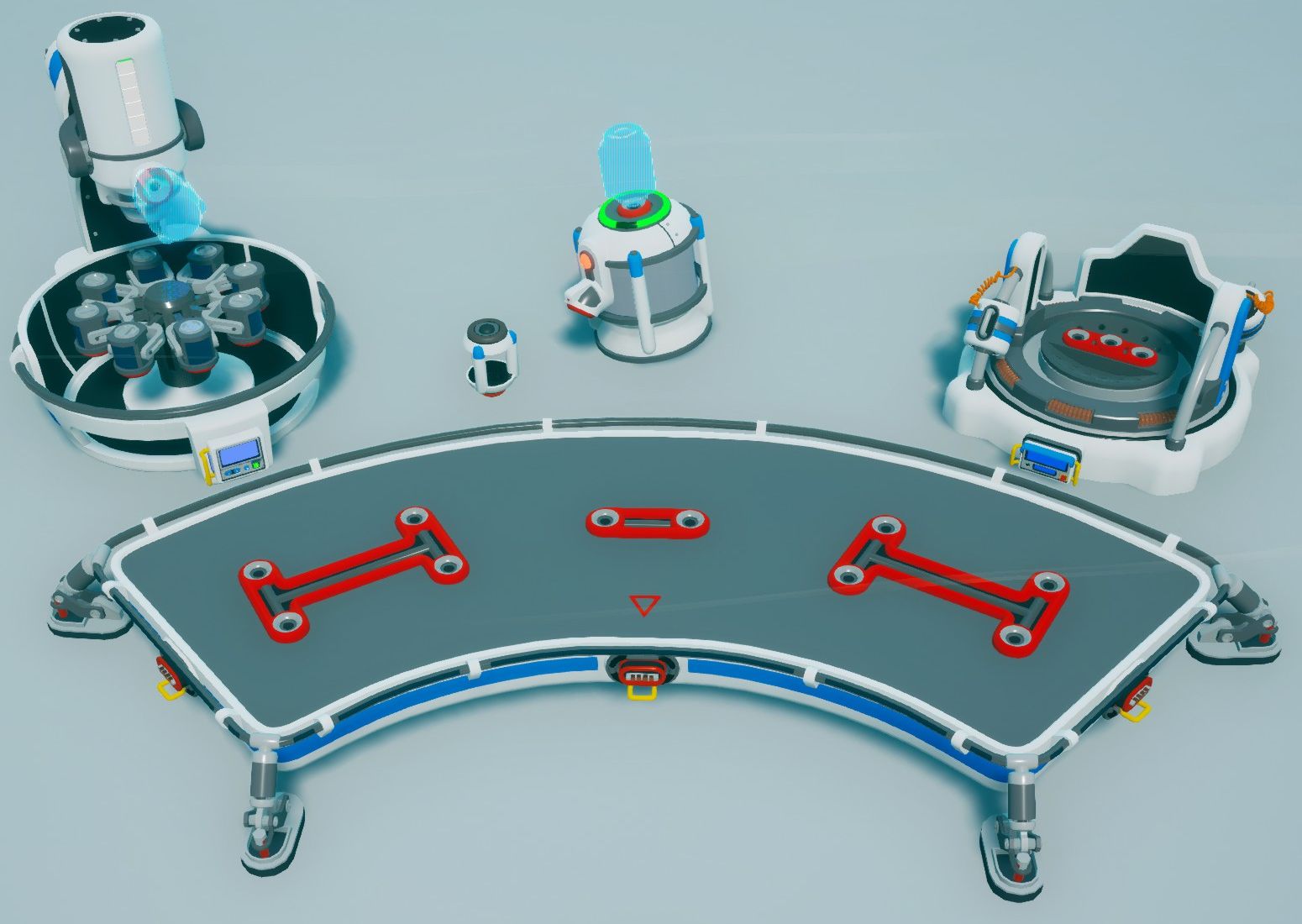
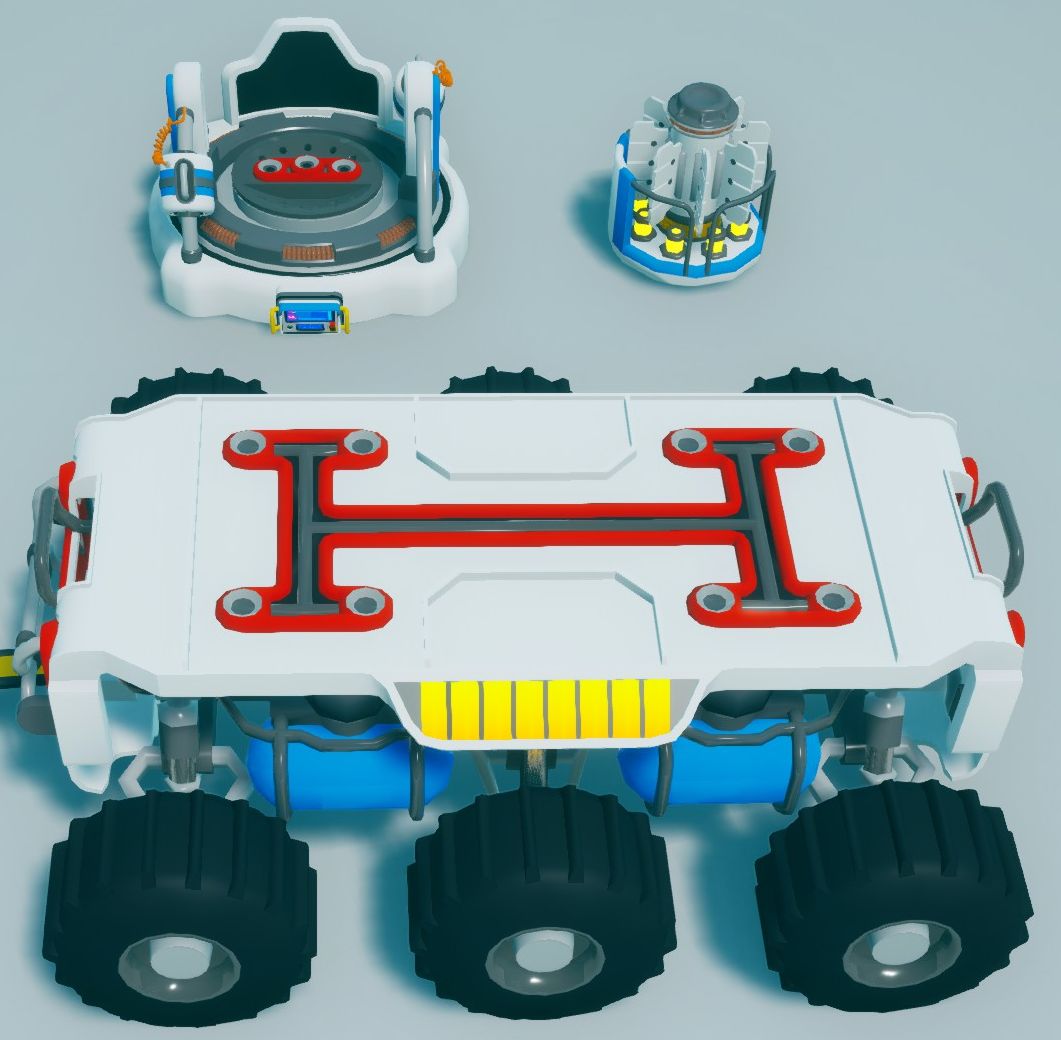
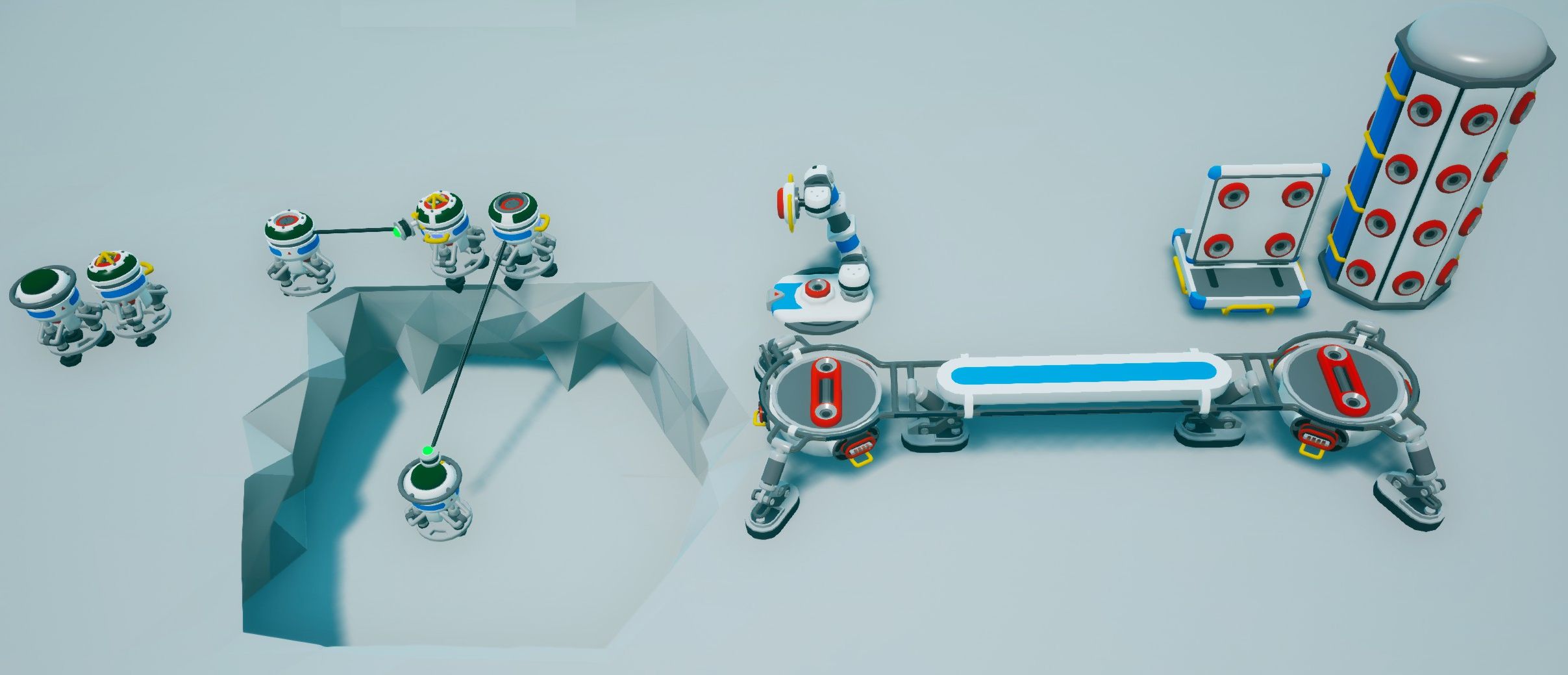
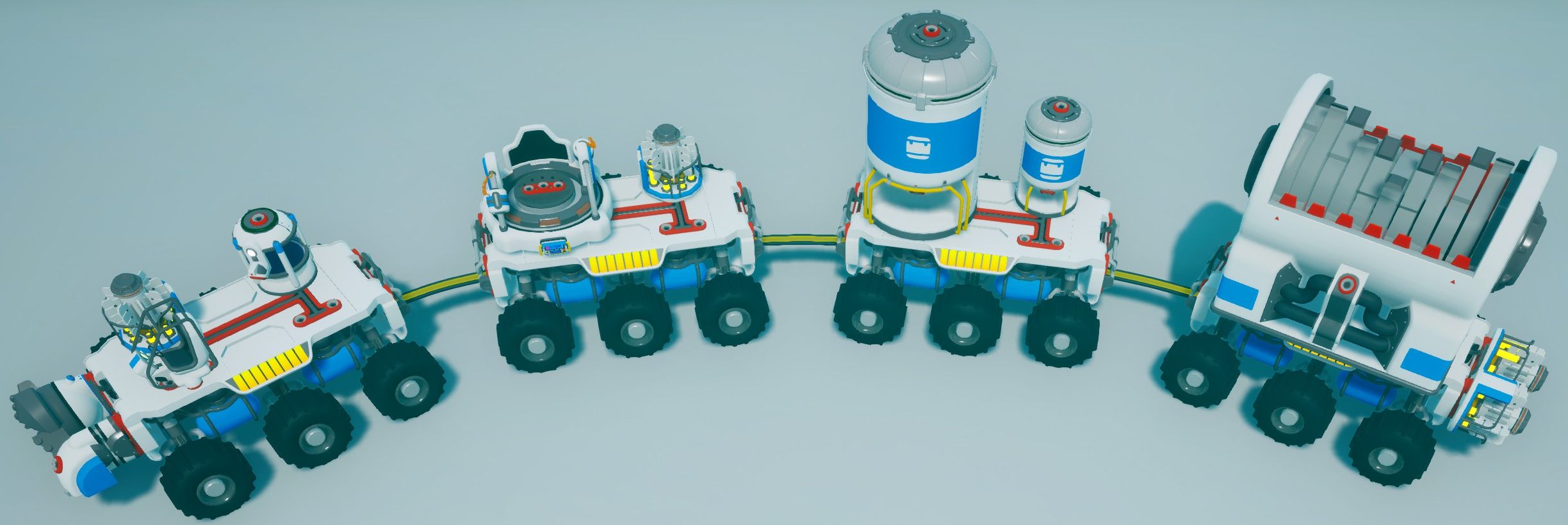


Steam deleting images is a huge problem - I gave up and use external hosting with linked text whenever possible (just not for visual banners). Reddit unfortunately isn't much better due to post archiving.
Anyway, the following may be useful to add. Feel free to copy my writing:
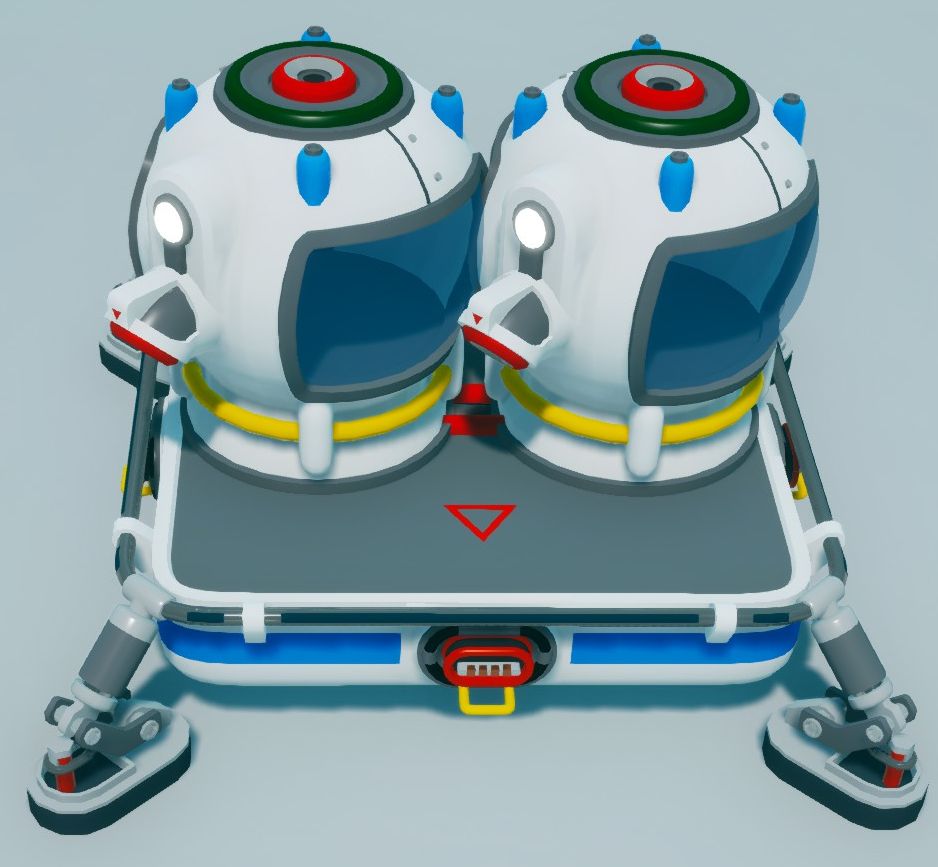
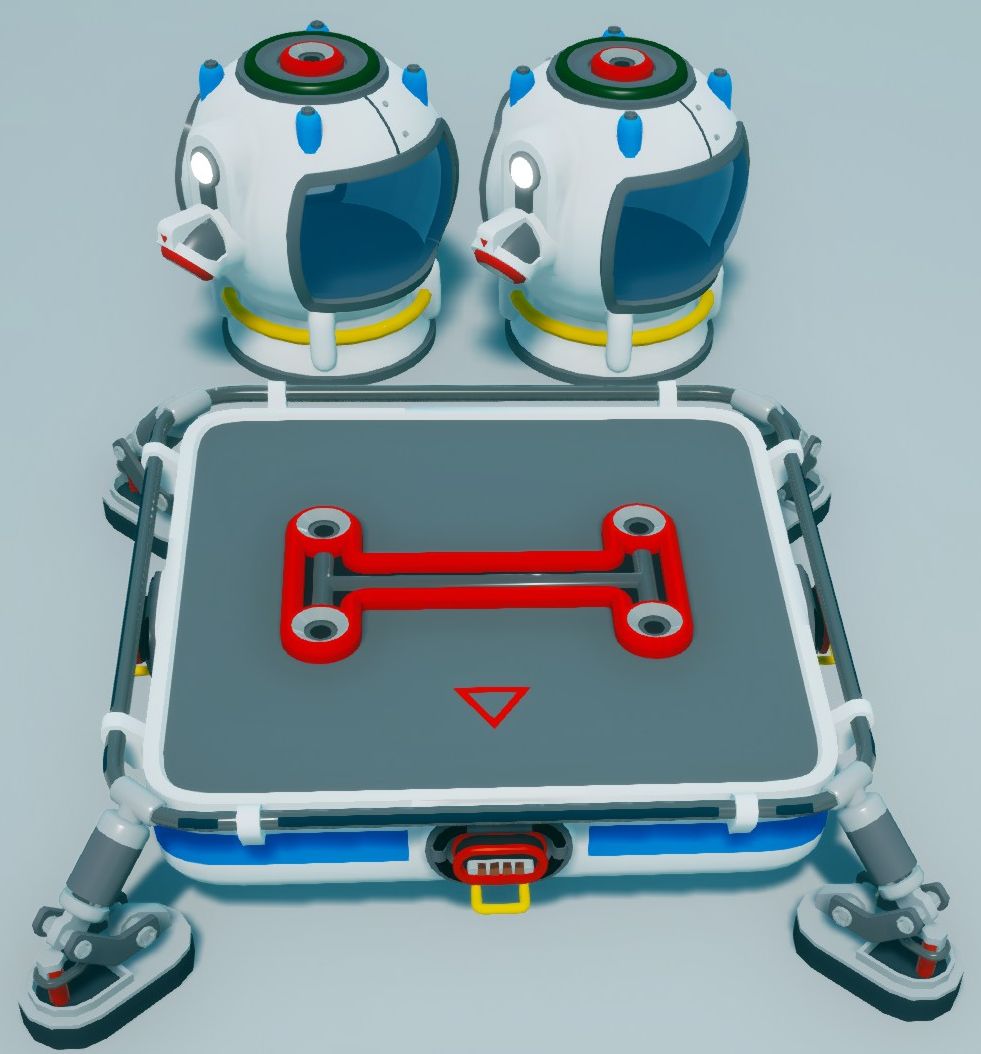
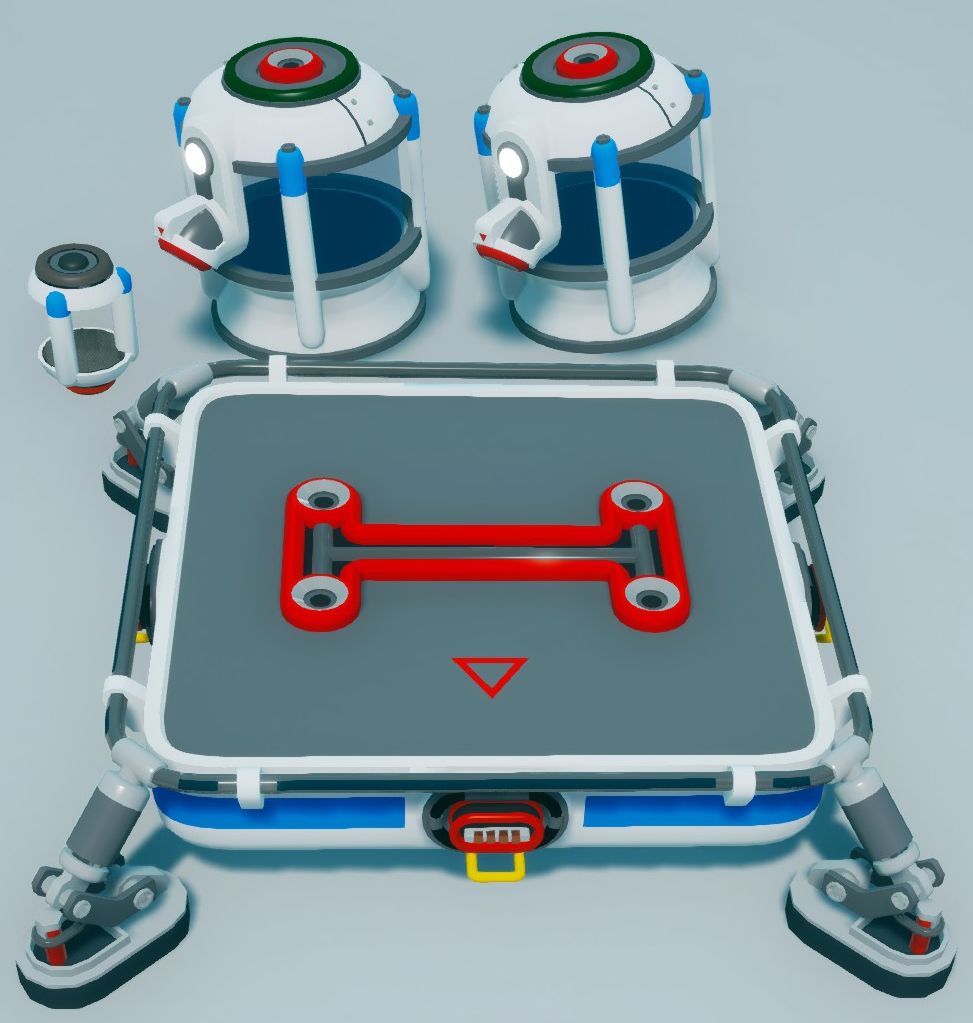
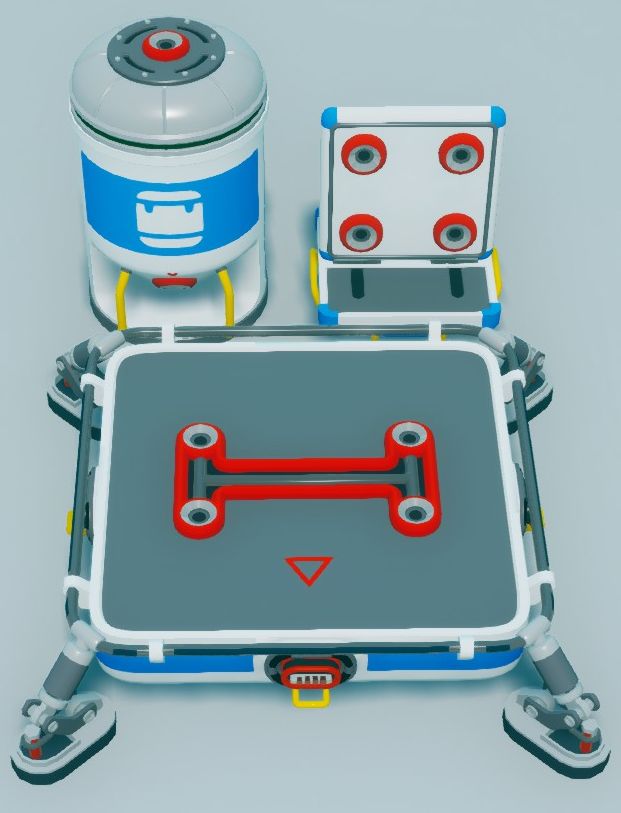
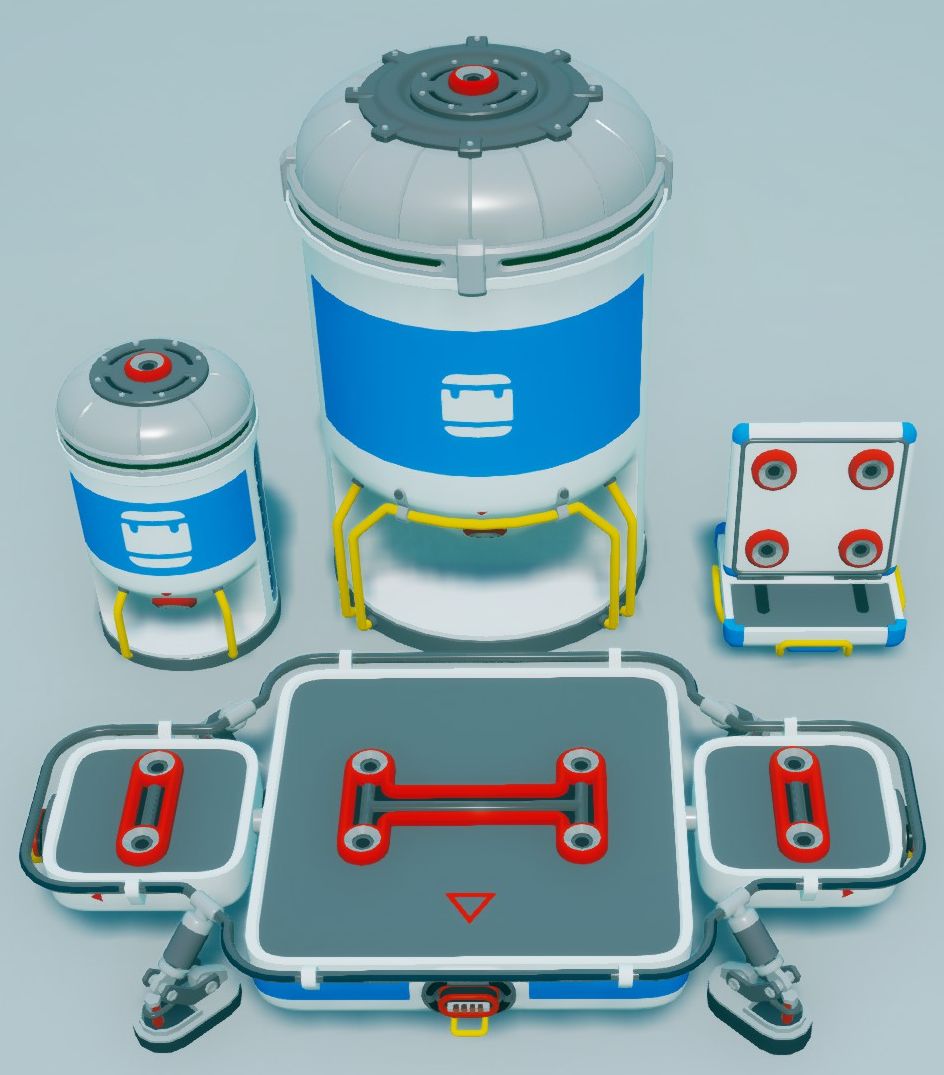
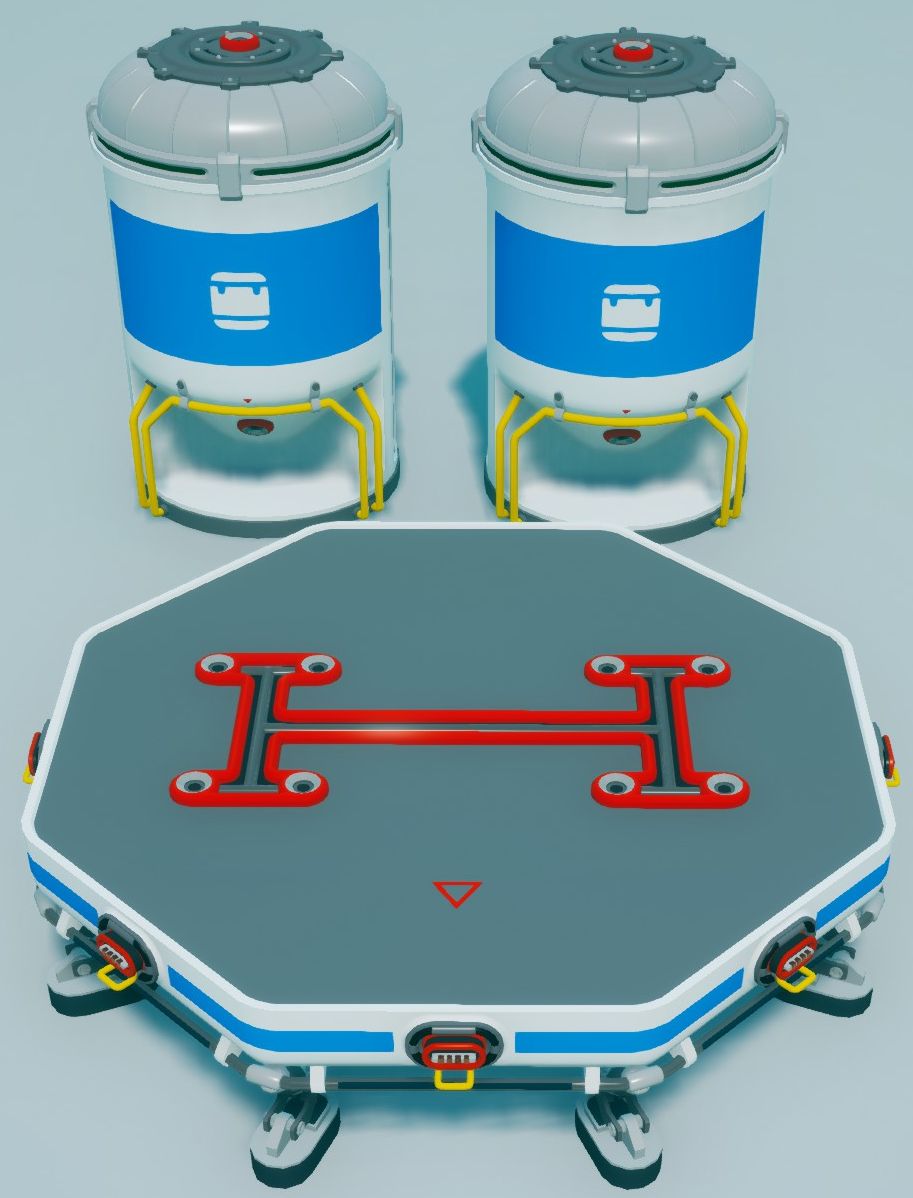
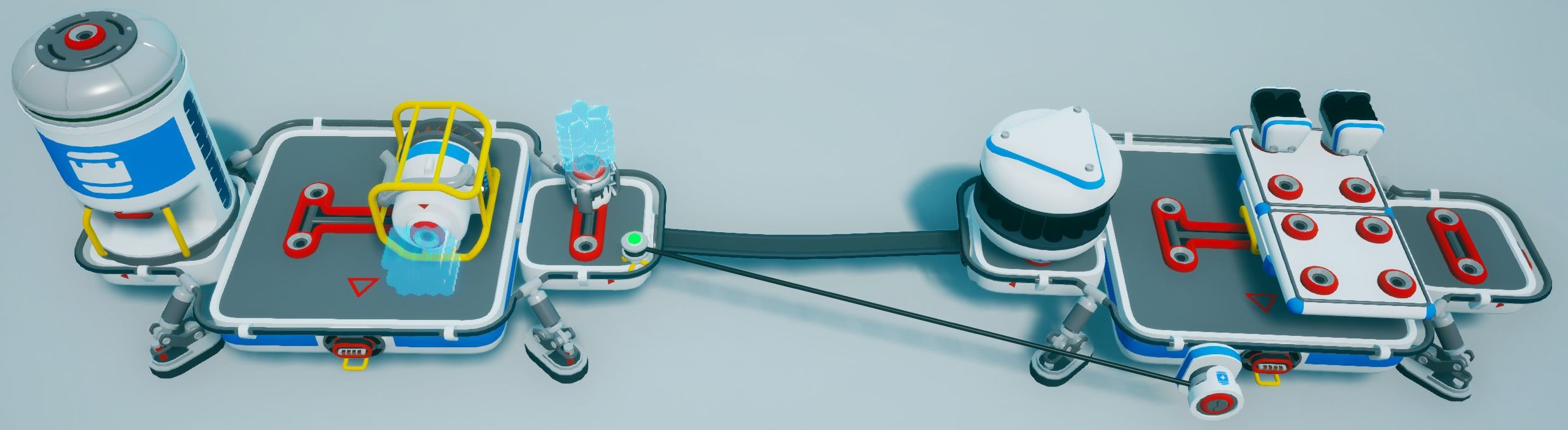
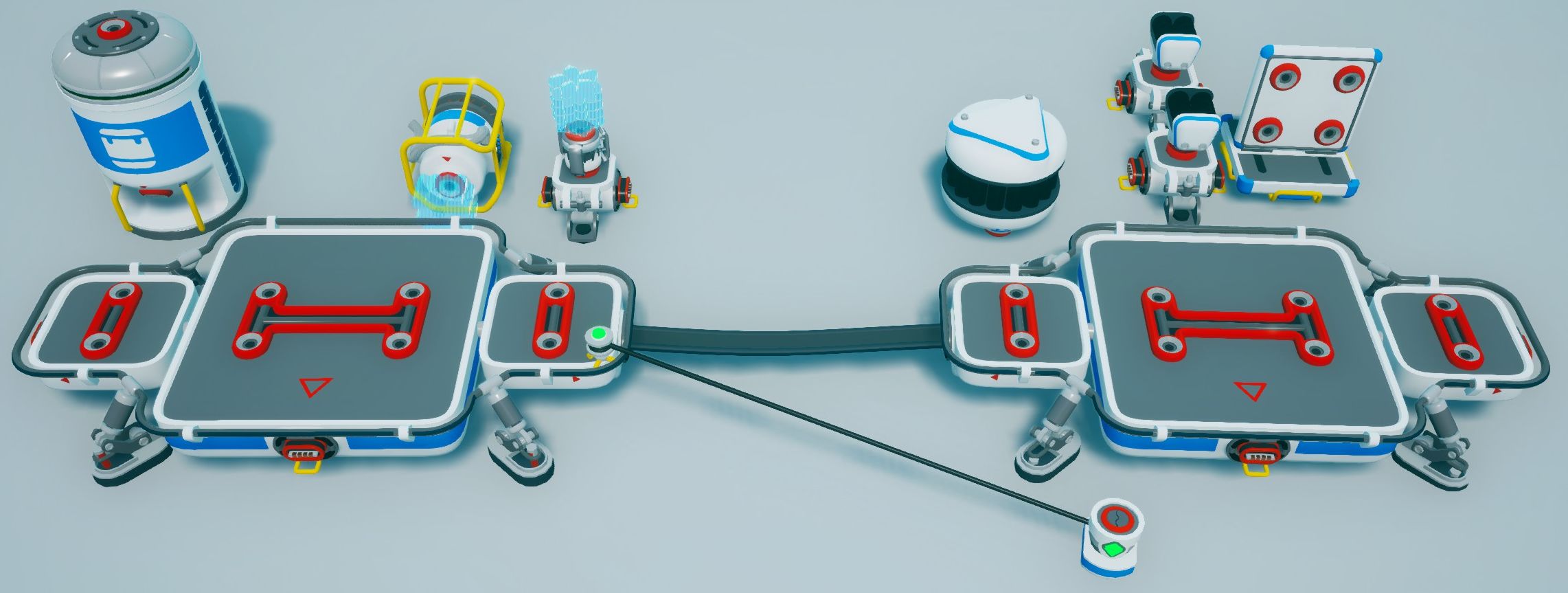
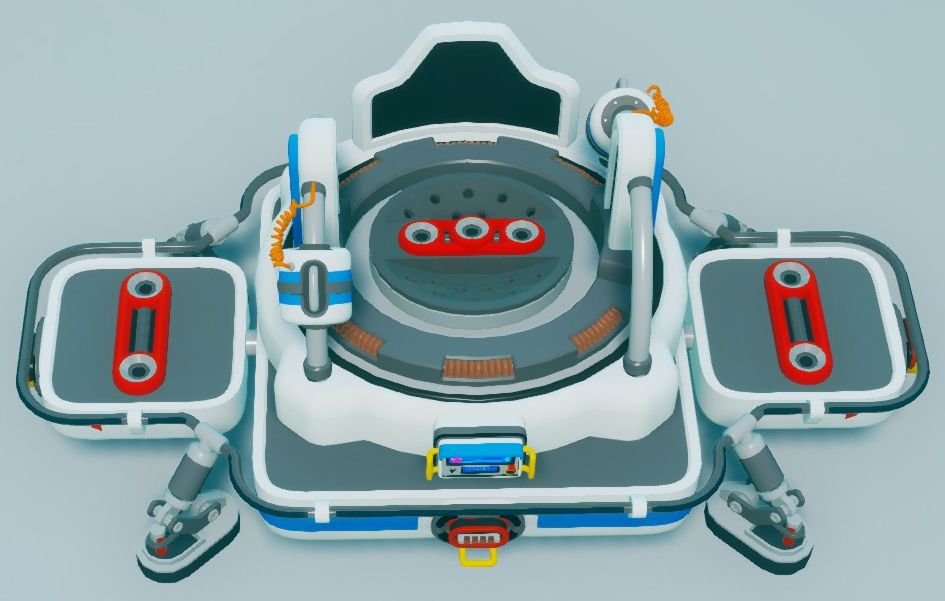
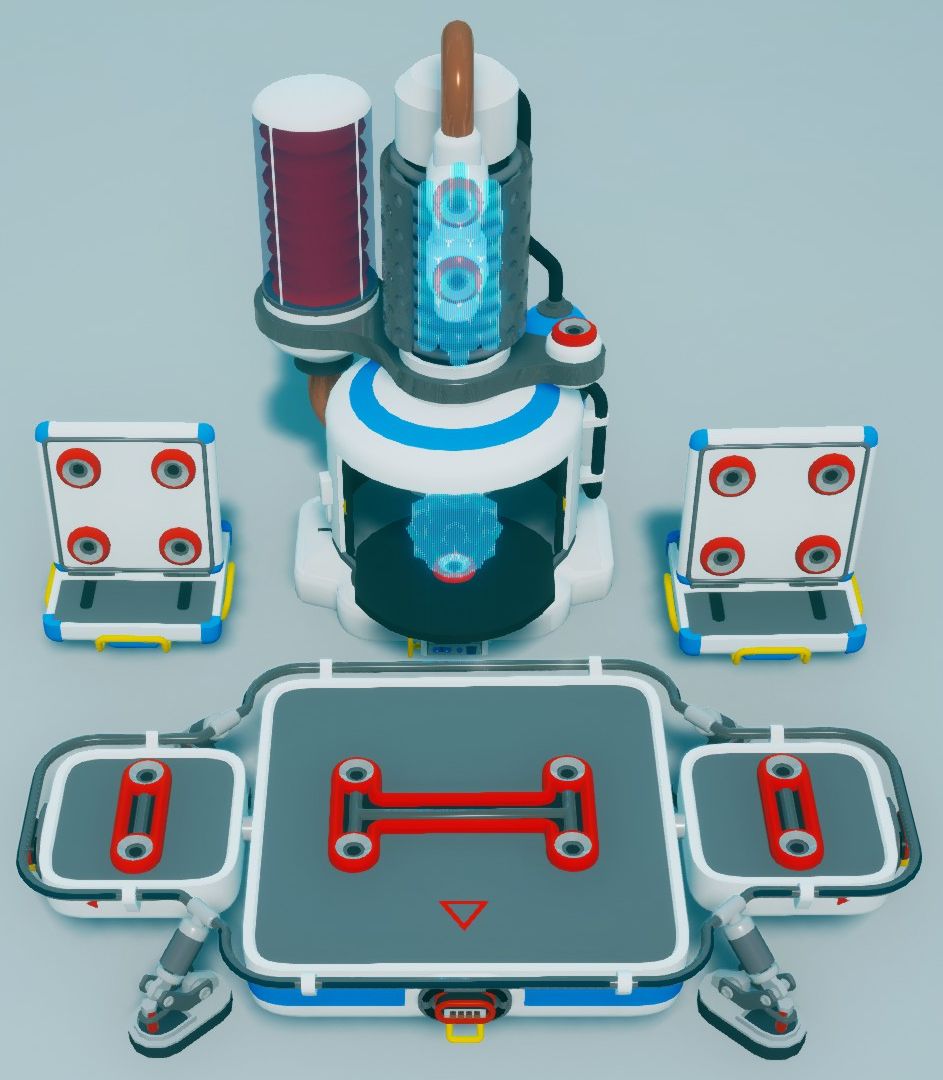
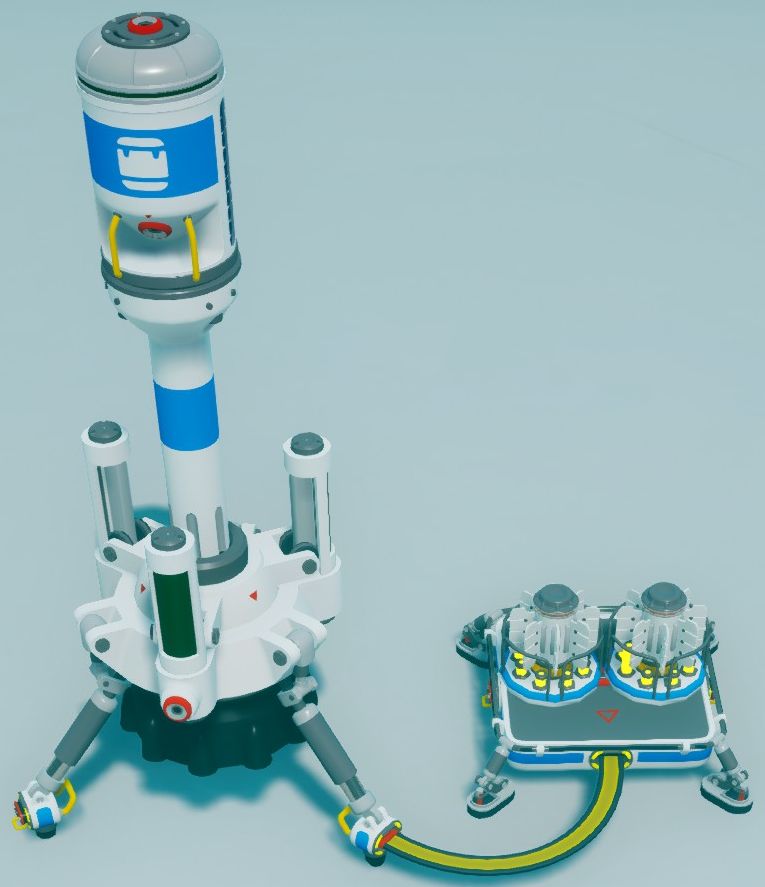
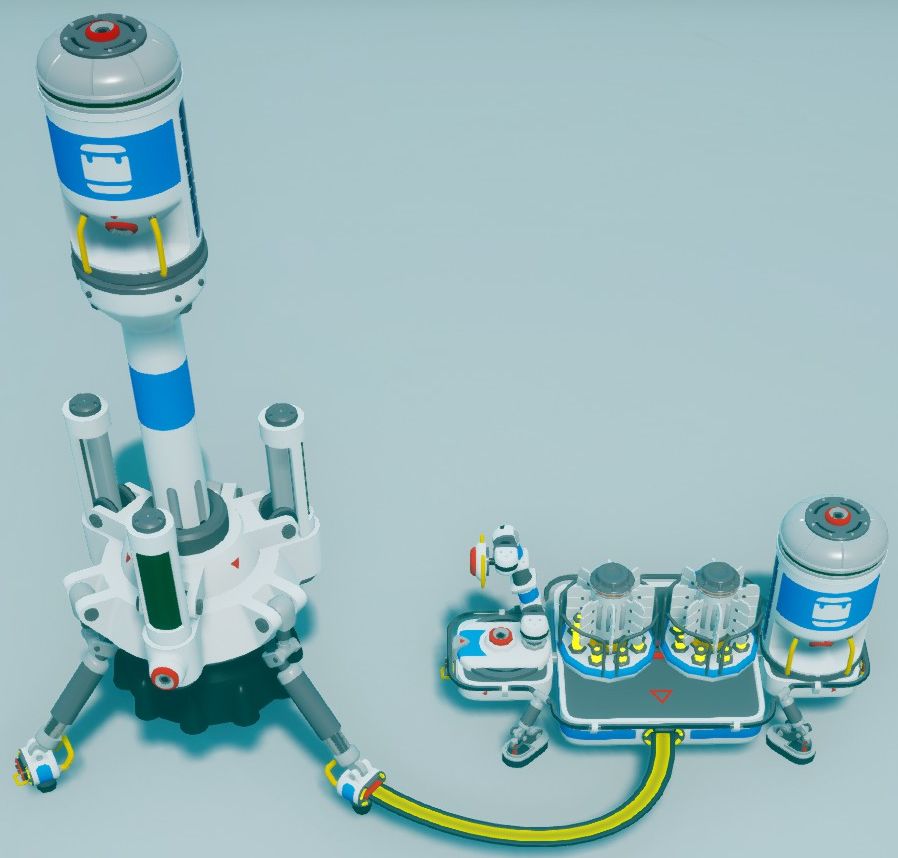
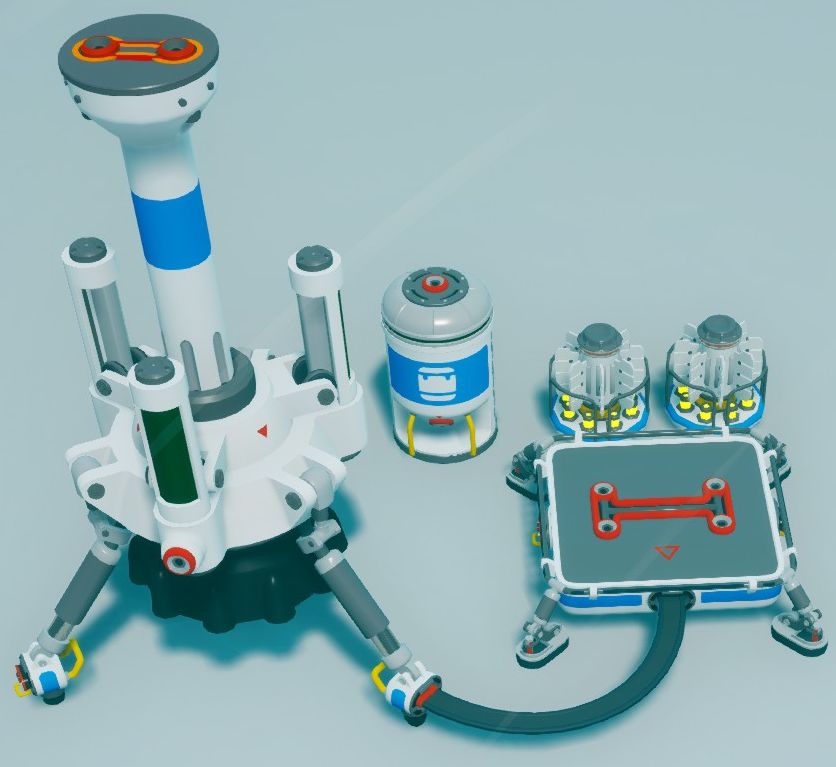
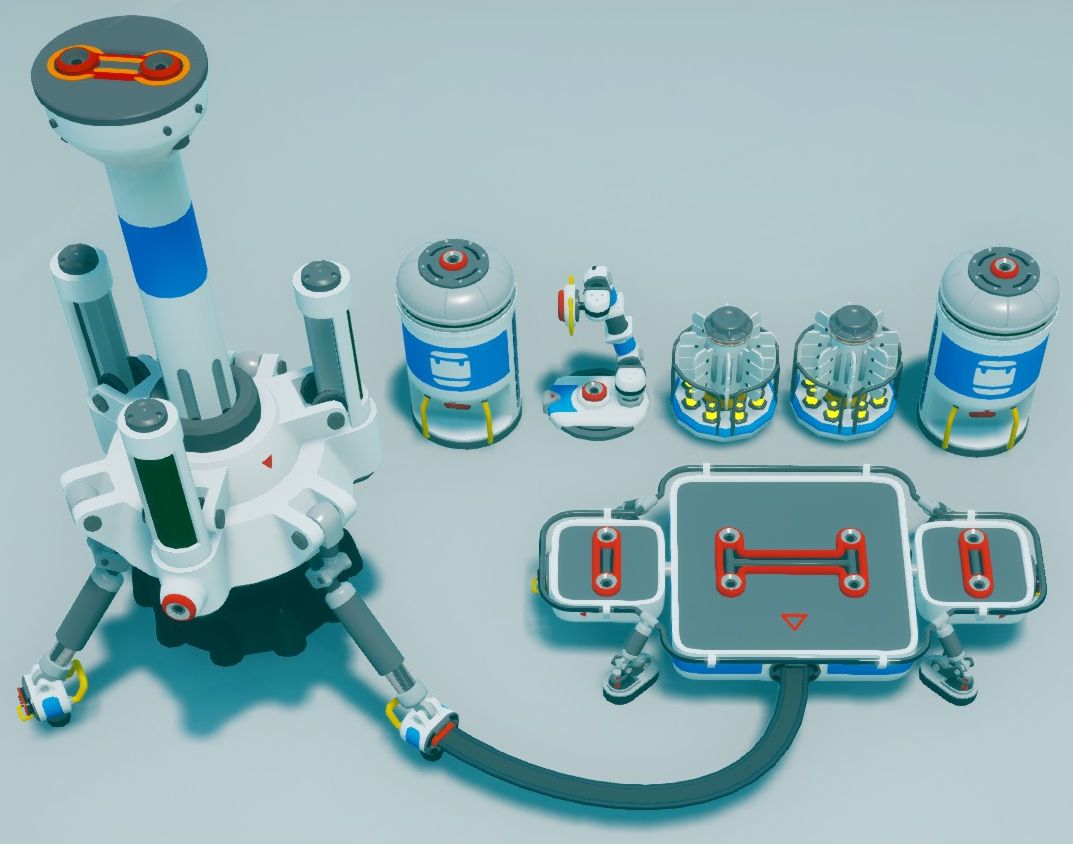
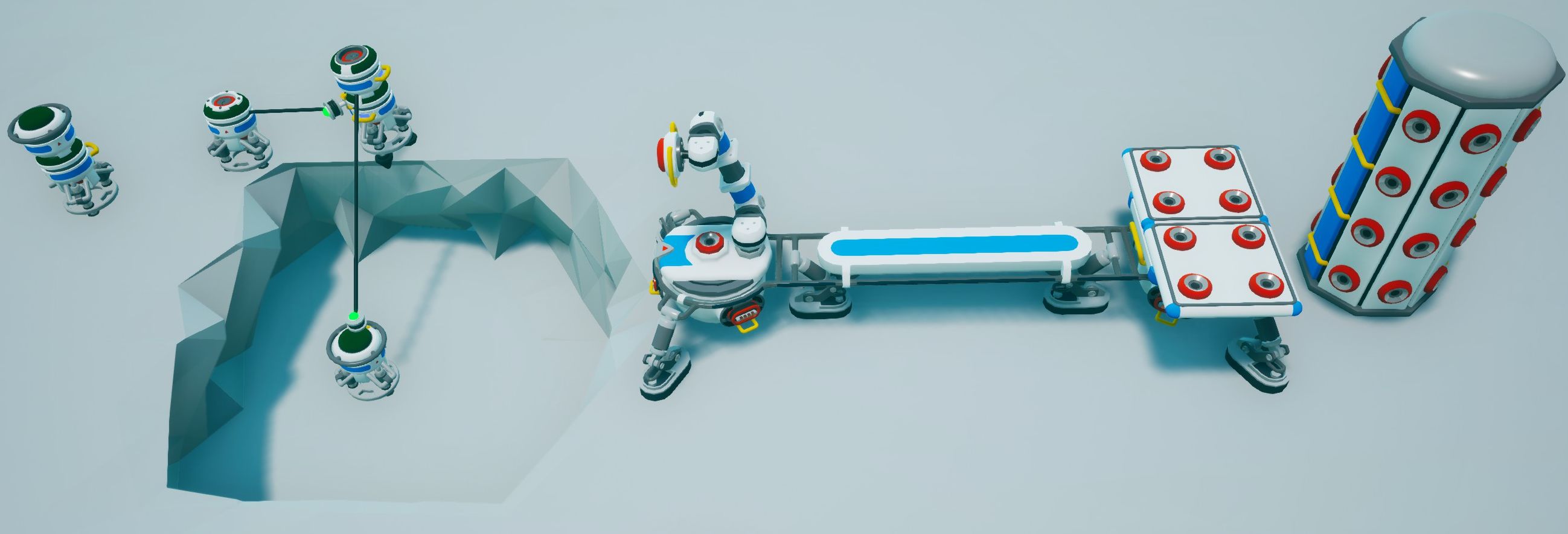
1. Soil depositing is tedious if done separately for each centrifuge. Instead you can create a single soil deposit platform with a distribution "belt" and a return feed for the empty canisters. It's important to add enough small canisters to minimize circulation time, but fully saturating the belt can cause mild clogging when the main soil tank is empty.
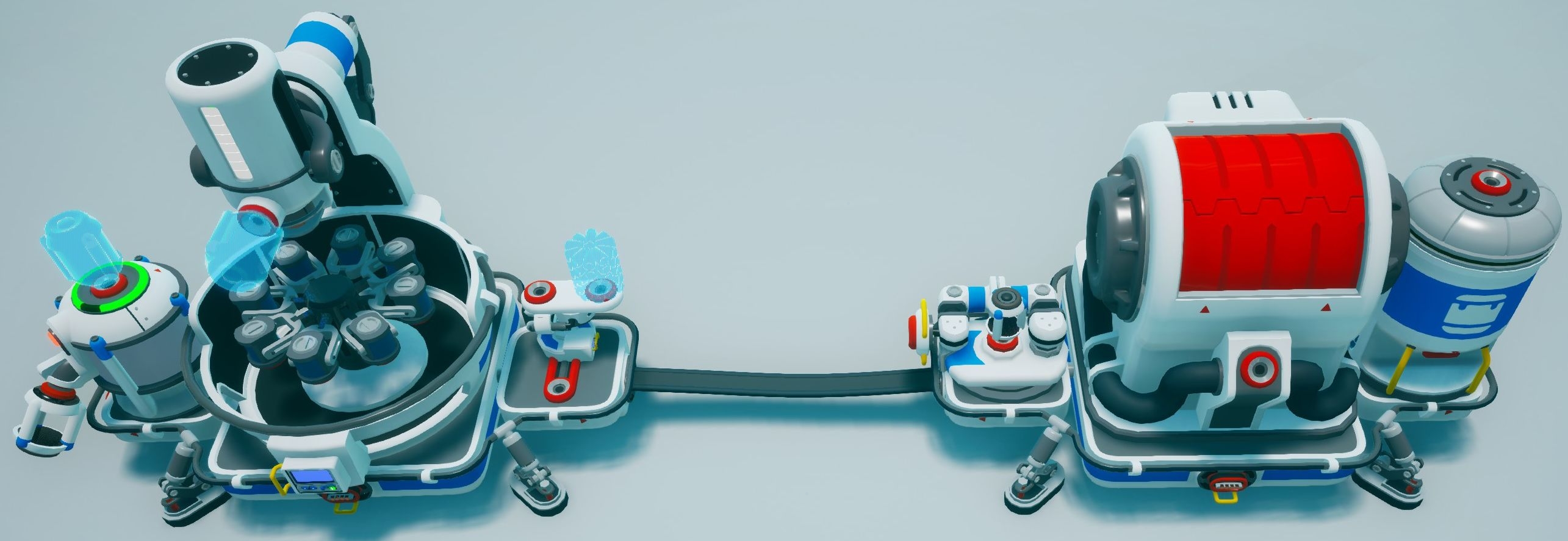
Avoid having storage on the centrifuge platforms. Filtered auto-arms keep the resource flow free of soil canisters.
A) End-storage: Direct output-to-input without any storage is quick and ideal for a fully automated setup, leading to a final storage area. Intermediate products can be diverted using sensors to split the flow evenly. This is the min-max option, ugly and tedious to set up but 100% efficient.
B) Intermediate storage: Don't use end-storage to save a large amount of buildings. Grab items directly from intermediate storages instead. Requires more walking, and dodging auto-arms as they smash garbage into your backpack. Easiest to set up.
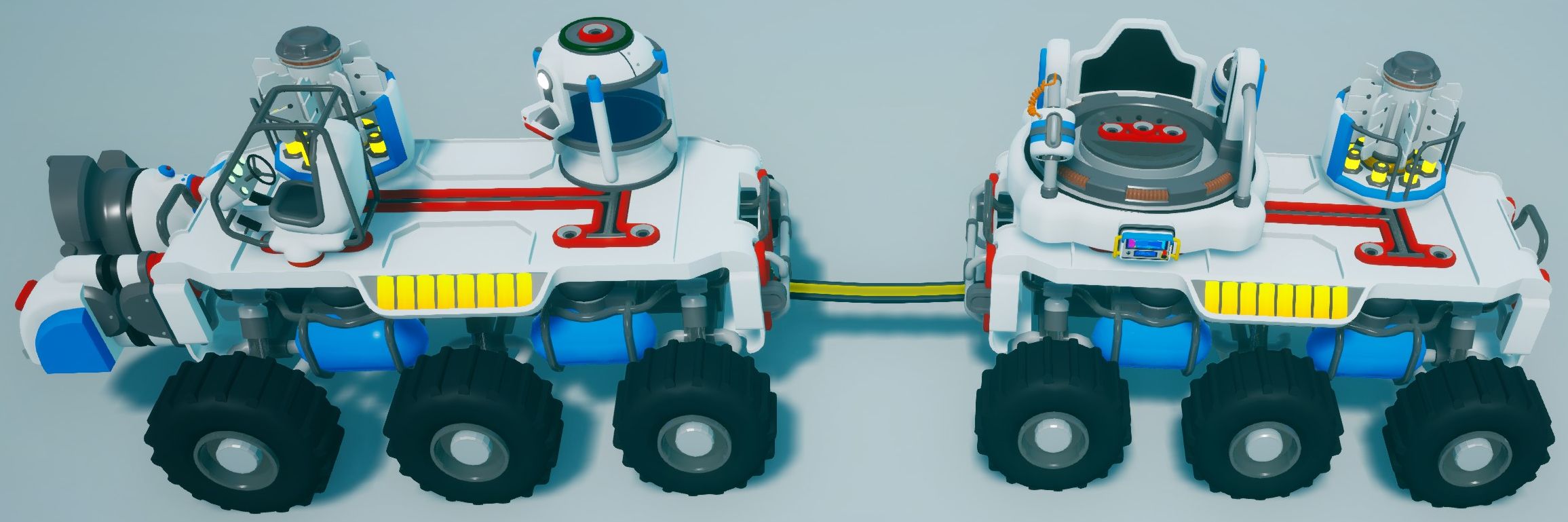
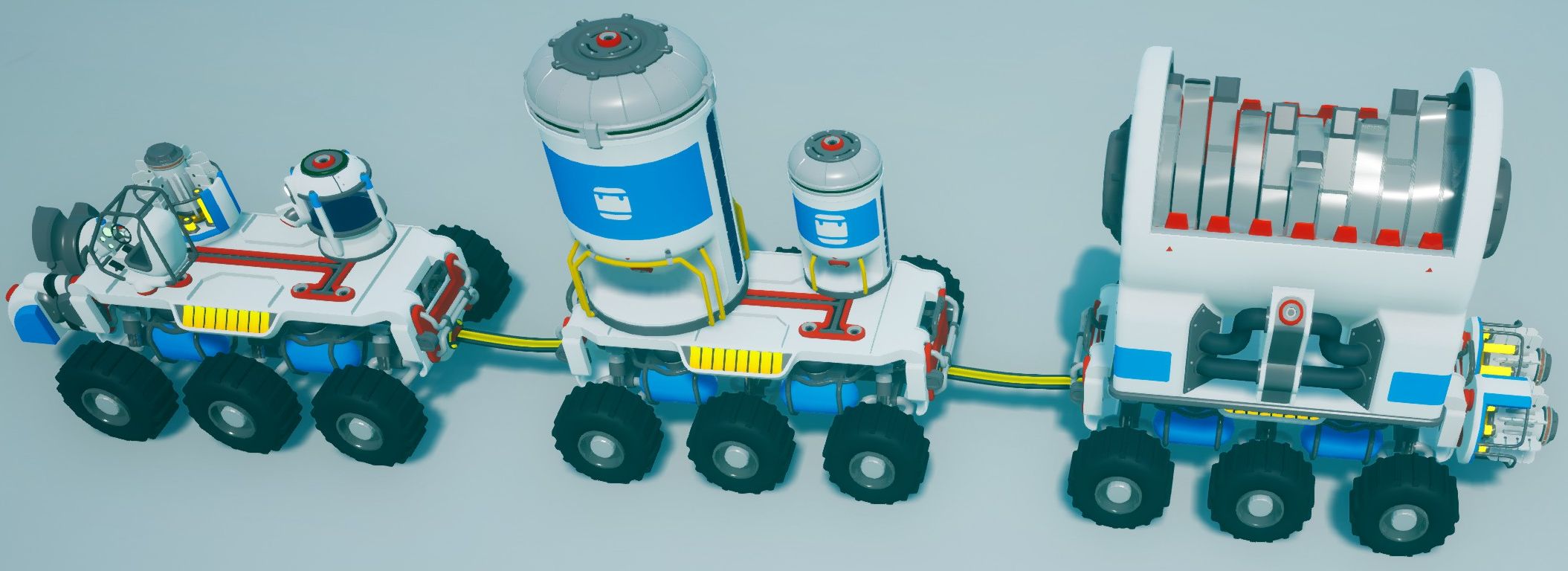
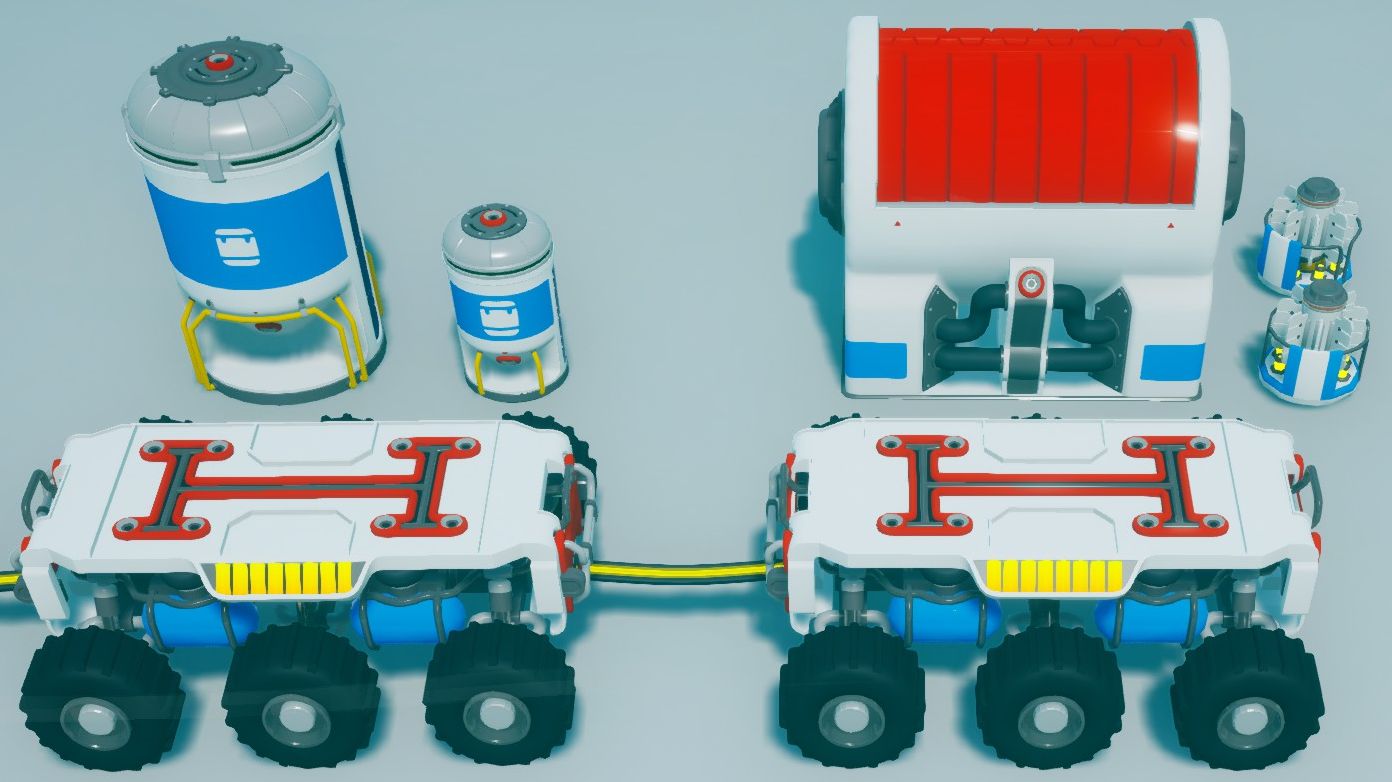
C) Trains allow for the most intricate delivery systems, especially with sensors and filtered auto-arms. The most fun option and looks better too. This can use either A or B as a general strategy or a mixture of both.
Always use trains for long distances, like importing from an Auto Extractor.