

Squad 44
49 个评价
Journey to becoming an Effective Combat Medic
由 MrDaviD 制作
This Guide will outline the very basics throughout operating as a combat medic. If you've never run a squad and wish to, feel free to read the following! This Guide is pointed towards Post Scriptum however is very similar to Squad. Thanks & Good Luck!
   
奖励
收藏
已收藏
取消收藏
Overview
This guide has been created by a Fellow Player that wishes his comrades in arms to be as fully prepared as they deserve.

I do not claim to know everything and urge others to provide feedback on anything I may or may not have provided and/or could do differently. This Guide is aimed to inform, information is always welcome.

Here we'll get to the point and key aspects to survival and being effective at it.
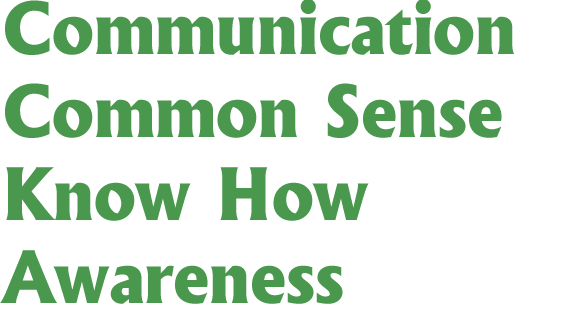
Communication, Common Sense, Know how and above all, Awareness.
--------------------------------------------------------------------------------
What does it mean to be a Medic
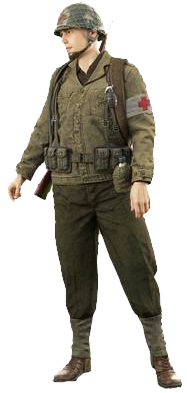
What is a Field and/or Combat medic?
It's surely not an angel in wings with a ring over his head yet he may very well be your savior.
An effective and efficient combat medic should always have


These are some of the many important traits to have as an effective combat medic. I understand, you mighten understand nor have what's needed, like what's know how mean?
We'll get to that shortly I promise. :)

Support your squad, support your team. Your death dooms others. Stay alive to keep people alive.


Communication


Communication, now if you've read any guide on Post Scriptum regardless of it's content you'll notice how much communication is mentioned, must be important than right? It's crucial. This role will require you to communicate, there's no if's or buts about it. Throughout this role you'll be communicating with your squad almost if not just as much as your squad lead does, yes that's a lot.


Why do we need to communicate as a medic? It's not that bad to be a mute right? Being your squads designated medic means you're in charge of sticking with the group, informing your squad lead of squad numbers, health and medical supplies i.e bandages. As a combat medic/Field Medic/Squad Medic or FM for sort it's a wonderful practice to get into the habit of checking up on your squadmates and their medical supplies.
Why's this important? Surprisingly you're limited to bandages, shocking right. Encourage your squad mates to utilize and share bandages with each other as depending on the scenario and/or your squad leads decisions you mighten see a resupply section for quite some time if at all. As a FM you've got the ability to not only bring your squad mates to full health but any team member, this in itself makes you worry with the amount of supplies you have as you not only cater medical assistance to your squad but your team.

This is a game, you'll be dealing with people's health so that they might push on and obtain victory. However yes we're in charge of keeping people alive and fighting but maintaining their mental health and morale is just as important.


As your squads medic you have a responsibility, and that's to keep everyone alive and kicking, get your squadmates involved and keep their morale high, your squad leader, team and troops will thank you. Even a few words can affect the whole mindset.
If you're a british medic you may for example just say minor things such as
"Come on lads", "Let's get those jerrys", "Tea times just around the corner lads", "Doing great guys", "Look out for each other guys", "Keep it up lads", "For King and Country"etc.
If you're a german you may say things similar, be creative however "For da Furher" normally does the trick.

Keep your squad informed, relay medical supply and head count levels. Stay Alive.

Common Sense


Common sense, yes this is a fun topic. If you don't understand what I mean when I say common sense than you've already failed. Use your noggin, your mind will not only keep you but your team alive. That's your job, stay alive to keep people alive.
Common sense comes into play most if not all the time when operating as any team member. As a designated field medic it's your job to keep everything kicking, including yourself in which won't be an option if your dead.

If you're responding to a faint plead of medic!, I'm down send help!, I can't feel my legs, put the red stuff back inside me as they say etc, think hey, he's wounded, how did that happen? Must be clear for me to run over there like a maniac before thinking too much into it. Seems to be the normal thought right? Until you're met with a 7.92mm round in the back of your head.
How could we avoid this?
We've thankfully been provided with binoculars just for this reason, you've also got ears and a wonderful talking mechanic called your mouth which lets you relay information between each other to hopefully uncover when, where and what hostile wounded our troop.

Stick together, you're no good to your squad dead, missing or on the other side of the map. Keeping pace with your squad is crucial with maintaining your squads mental, physical and psychological health. Staying with your squad will keep squadmates from force respawning and running back to the fight from a far. Having a medic on site or nearby will give not only squadmates hope but others around you. Getting troops back into the fight minimising their respawn and rally time can drastically help your team with an assault or defense.
Remember to prioritize your attention, aim for your squad mates if possible however never ignore other friendly troops.

Use your head, stay alive and keep everything moving.
The Know how


What does it mean to know how? Know how is referred to as know how to do your job and when and where to do it. As a medic, experience will allow for this to be an easier topic i.e judging who, where and what is accessible and worth the risk of saving. Over time you'll understand what's in the best interest for not only yourself but your squad and even team. Dying from attempting to save a rifleman is not always in the best interest. We'll continue this topic below.
Know how your tools work e.g. your morphine and bandages. Know how to conserve them, know how and when to use them correctly.
Important equipment notes
  • Morphine Syringe - Keep your team kicking with a shot of this to unconscious troops
  • Bandages - Keep on hand to stop troops from bleeding out and regenerate their health
  • Binoculars - Keep this handy so that you might assist your squad lead with active recon
    Throughout a skirmish your squad leader may choose to keep field medics within a safe distance of a battle, for example you're squad of 7 has been ordered to assault an enemy building, you're squad leader may choose to keep you 15-30 meters away from the conflict(Squad engaging area) i.e behind a hedge, hill, tree, trench etc. In this case you may see it fit to stay within an accessible distance that you can not only remain safe but maintain an appropriate response gap and/or a lookout.
    What does it mean to maintain a response gap? A response gap is where in the case of a wounded member you'll be able to respond quickly for example if you're 30-50 meters away it may take you a whole 1-2 minutes to arrive where you'll not only be tired and unable to aim your rifle but you'll risk not only the death of said member but further wounded leading to an overwhelming demand of medical. In the case that you've got 4 wounded out of 7 we'll begin to use the priority
    tag. This will be continued in the Know How section
    You're in a squad of 7 with one medic, this lucky fellow is you. One of your team members has been downed/wounded in an open field whilst crossing. An enemy mg nest is suppressing the field, you've got lack of armor and air support, your squad is low if not out of smokes and cannot throw the distance. Another friendly squad arrives however lost their medic in the last firefight. What do we do?

    We move on. Your death dooms future wounded. Stay alive to keep others alive.
Awareness


Awareness, yes yet another super important trait to have as a field medic. Becoming aware of not only yourself but your squad, your squads medical supplies i.e bandages as well as your own is crucial to success. In the case that your squad lead has neglected the fact that supplies don't last forever it's your job to make sure all the troops are chocked up on medical relief as well as your equipped and ready to provide on site medical assistance. If you've not no bandages than you'll be unable to not only stop the bleeding of troops but you'll no longer have the ability to restore them back to 100%.

Keep an eye on everything you can, assisting your squad lead with simple things such as head counts and meds will assist greatly. Making it so your squad leader doesn't need to maintain an eye on everyone's meds as well as micromanage everything allows for your squad lead to better focus on other priorities at hand and strategize.
Maintaining that awareness of who's where and who's got what on top of how each person in your squad is going. Maintaining that awareness is what will keep your squad being efficient and effective.


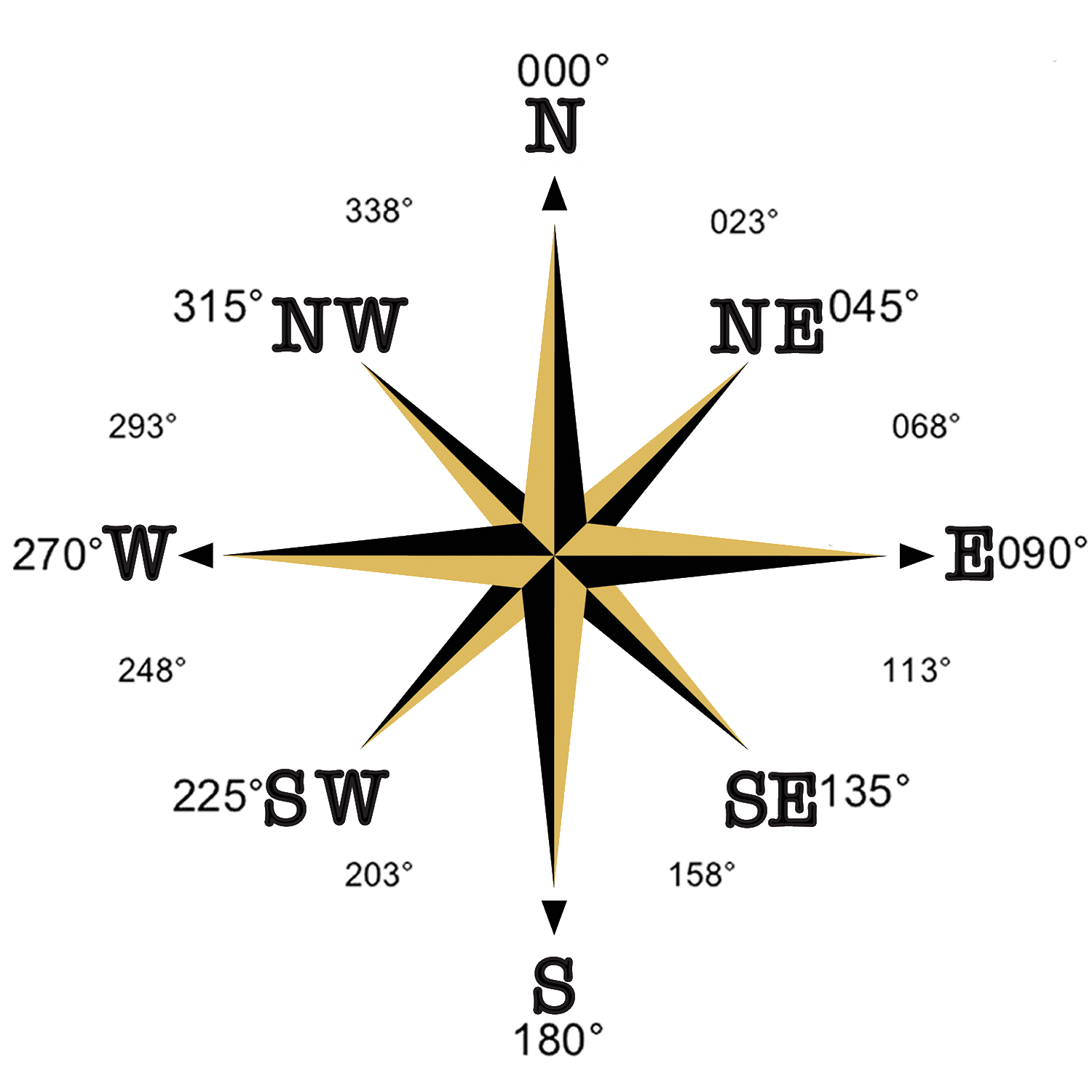
Another area of awareness is understanding a sense of direction and spacing. Your squad leader will normally maintain a sense of direction and refer to spacing often however in the case that this does not happen you'll be responsible.
Why do we need to watch spacing? We need to at times maintain a generous space between on another so that we do not have to account for collateral damage and/or wounds. Having troops in your squad spread will minimise the case of injury in the scenario that a mortar round lands on your position. Less wounded mean less work. Keep everyone conscious of their spacing, bunching can result in heavy casualties and wounds leaving your squad ineffective to move.

As a medic it's your job to maintain the wellbeing of your squad, make sure you do your job for everyone's sake.


--------------------------------------------------------------------------------
Quick Tips


I won't drag this section on for too long. Here I'll add what I think is super helpful to keep in mind as well as what people suggest to be included in the guide. If I recieve a valid idea I'll list it in this section.
Prioritise Medical Attention
  1. Combat Medics
  2. Radio Operator
  3. Squad Leader
    --- These two below may change on the scenario
  4. Machine Gunner
  5. Anti-Tank
    Staying Low, always
    When attempting to morphine a fellow comrade stay low, as low as you can possibly go. If you must, throw smoke however remember if you're behind enemy lines your position will be forfeit.
    Pump for info
    When attempting to morphine a fellow comrade always ask him how he died and whether or not the enemy was shot in return and/or moved on. Discover whether or not your friendly trooper really knows where and/or what killed him. Information is key to your survival and deciding whether or not it's worth the risk.
--------------------------------------------------------------------------------
Summary Notes


This guide is still being worked on and will continue to change. If you have any suggestions let me know. If you find a spelling error please do let me know in the case that I've missed it. Thanks guys.


I understand that many of you may stumble across my steam and notice I do not have a huge amount of hours on Post Scriptum however I have had much experience none the less as I've run Military Simulations on Arma II, III, Squad and Post Scriptum.
Click Here to find my guide on how to become an effective squad lead!

Thanks Again everyone for taking the time to read my Guide, if you have any questions. Let me know!

Post Scriptum is still in Early development and can be subjected to change at any time thus changing Information listed. Comment below and Help to keep everything Updated. Thanks Again